
House Democrats launch investigation into whether Jeffrey Epstein acted as a foreign agent
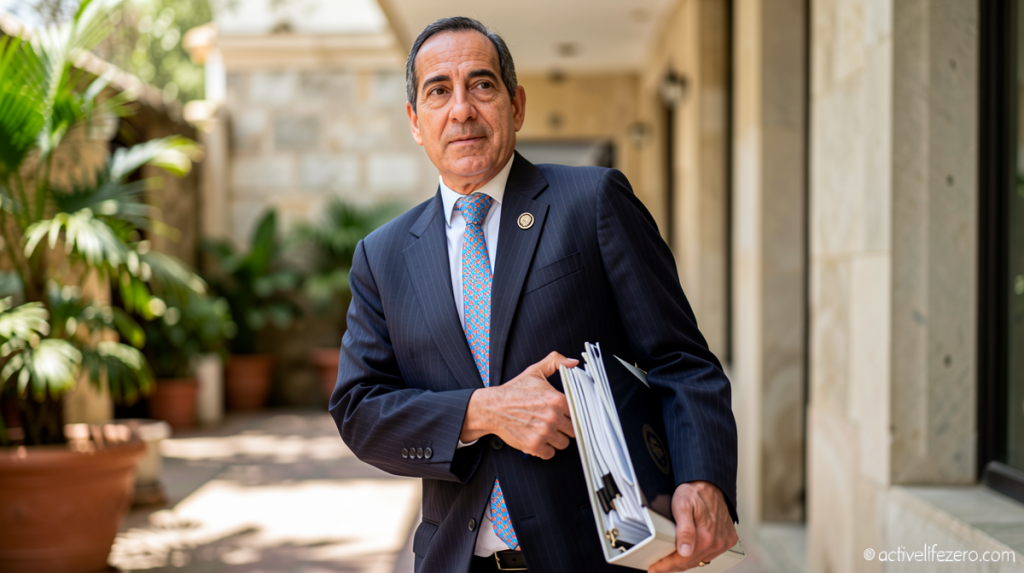
Lawmakers Probe Epstein’s Potential Role as Unregistered International Representative
Rep. Jamie Raskin Seeks Answers on Foreign Ties Amidst Political Shifts
Activelifezero.com – Representative Jamie Raskin, a Democratic lawmaker serving in the House of Representatives, has initiated a formal probe concerning Jeffrey Epstein. The inquiry seeks to determine if the deceased financier operated as an unofficial representative for several international powers. In his correspondence, Raskin is requesting that the current Trump administration provide access to records detailing the late sex offender’s connections abroad. Although the legislative body is currently led by Republicans, which suggests these demands might initially be ignored, the move carries significant strategic weight. As the ranking member of the House Judiciary Committee, Raskin is laying the groundwork for how the opposition party intends to conduct oversight should they regain control of the chamber in the upcoming congressional session. Such a victory would grant Democrats the authority to issue subpoenas through their committee leadership.
In a recently published letter, Raskin highlights documentation previously made public by both the Department of Justice and the House Oversight Committee. According to the representative, these files contain compelling proof that Epstein worked to further the goals of nations including Saudi Arabia and Kuwait. Furthermore, the evidence suggests that Epstein provided counsel to Russian officials and served in an advisory capacity for a former prime minister of Israel. These findings are crucial because they point toward a pattern of international engagement that may have gone unrecorded under standard regulatory frameworks. Raskin emphasizes that the scope of these relationships warrants a deeper look into whether Epstein was fulfilling duties typically reserved for registered foreign agents.
“Our examination of available evidence has already revealed damning indications of Mr. Epstein’s activities on behalf of foreign states,” Raskin wrote in his official statement.
Beyond the specific countries mentioned, there is a broader concern regarding national security. The primary issue identified by Raskin is that Epstein maintained these high-level diplomatic and business relationships without ever filing the necessary paperwork to register as a foreign agent. This lack of formal registration raises questions about the transparency of his operations and the potential security vulnerabilities they may have introduced. By operating outside the public eye, Epstein could have influenced policy or shared sensitive information without the usual checks and balances associated with foreign representation. Raskin argues that this oversight is significant given the extent of Epstein’s global network and the importance of the entities he interacted with.
The investigation is also focused on the vast amount of material that remains sealed. Raskin notes that the Justice Department possesses approximately two and a half million documents related to Epstein that have not yet been disclosed to the public or investigators. He believes this massive archive holds additional keys to understanding the full extent of the financier’s international influence. To that end, the representative is asking for all records concerning Epstein’s meetings and communications with foreign dignitaries. He wants to ensure that no stone is left unturned in the effort to map out his global footprint.
“Despite having such extensive, well-documented personal and professional contacts with officials of foreign governments, Mr. Epstein never registered as a foreign agent,” Raskin wrote.
In addition to requesting specific files, Raskin is calling for a formal written explanation from the Department of Justice. He wants to know if any prior inquiries have been conducted to assess whether Epstein violated foreign agent registration laws. This request aims to clarify the historical record and determine if the issue has been previously addressed by federal authorities. Meanwhile, CNN has contacted the Justice Department, the State Department, and the Office of the Director of National Intelligence to seek their reactions to the new developments. The responses from these agencies will help shape
