
Biden sues to stop Justice Department from releasing interview recordings
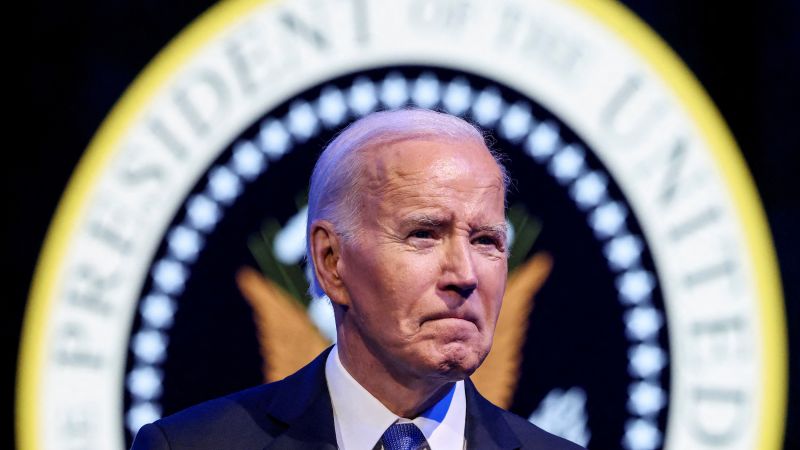
Biden sues to stop Justice Department from releasing interview recordings
Biden sues to stop Justice Department – Former President Joe Biden has filed a legal challenge to prevent the House Judiciary Committee from accessing and possibly disclosing audio recordings and transcripts of private conversations he had in 2016 and 2017 with the ghostwriter of his memoir, “Promise Me, Dad: A Year of Hope, Hardship, and Purpose.” The lawsuit, which was submitted to a federal court in Washington on Tuesday night, highlights an ongoing dispute between the Trump administration and Biden’s legal team over the boundaries of presidential privacy. At the heart of the case is the Justice Department’s plan to share the tapes with Congress on June 15, a move Biden claims violates his rights to confidentiality in personal discussions.
The Legal Battle Over Privacy
Biden’s legal representatives argue that the Justice Department, during his time as president, vigorously defended the privacy of his conversations, particularly those involving Mark Zwonitzer, the ghostwriter. These discussions, they note, often centered on the personal grief Biden experienced after the death of his son, Beau, and how that loss influenced his decision to step down from the presidential race in 2016. The attorneys emphasize that the tapes, which were obtained during a criminal investigation into Biden’s handling of classified documents, should remain protected from public disclosure unless there is a compelling reason to release them.
“Every American, including a sitting or former Vice President, has a right to privacy in the personal conversations he has within his own home,” Biden’s legal team wrote in the court filing. “And when the U.S. Department of Justice acquires that private information through a criminal investigation, the Department has a specific duty to safeguard it from exposure.”
The tapes are currently in the possession of the Justice Department, which used them as part of its inquiry into whether Biden improperly shared sensitive national security details with Zwonitzer during his tenure as vice president. Although Special Counsel Robert Hur concluded there was insufficient evidence to charge Biden with any wrongdoing, the investigation led to the release of heavily redacted transcripts. These documents, which have already been made public, reveal the depth of Biden’s personal reflections on his family, his presidency, and the challenges he faced during that period.
Transparency Concerns and Public Interest
While the House Judiciary Committee seeks to obtain the recordings as part of its oversight efforts, Biden’s legal team contends that the tapes are not just about political decisions but also intimate moments of vulnerability. They argue that releasing the full content could expose private emotions and thoughts that are not directly relevant to the current legal proceedings. This stance has drawn criticism from some lawmakers, including GOP Rep. Jim Jordan, who chairs the House Judiciary Committee. Jordan has stated that the tapes are essential for the American public to understand the decisions made by the former president, suggesting that transparency is a priority in uncovering any potential lapses in judgment.
“I think it’s just important for the American people to know exactly where the President of the United States was… . (W)e’d like to see all that information, I think, to underscore what the Democrats were trying to hide just a few years ago,” Jordan said in May, as noted in Biden’s court filing.
Biden’s team also highlights the broader implications of the Justice Department’s actions. They warn that if the tapes are released to Congress, they could set a precedent for future disclosures of private communications, potentially eroding the privacy rights of other public officials. The legal battle has become a symbol of the tension between accountability and personal privacy, with Biden’s lawyers framing the case as a defense of constitutional protections for the executive branch.
Broader Context of the Dispute
The conflict between Biden and the Trump administration dates back to the 2023 and 2024 investigation into the handling of classified materials. During this period, the Justice Department scrutinized Biden’s interactions with Zwonitzer, focusing on whether the conversations contained any classified information. While no charges were brought against Biden, the investigation underscored the significance of the tapes in shaping the narrative around his leadership. Biden’s legal team argues that the Justice Department’s earlier defense of privacy contrasts sharply with its current intention to release the recordings, raising questions about consistency and the motives behind the disclosure.
In a separate legal action, Biden is also challenging the Justice Department’s plan to share the same tapes with the Heritage Foundation, a conservative think tank. The Heritage Foundation has expressed interest in the recordings, citing reports that they might reveal Biden’s declining cognitive abilities, including memory lapses, before he assumed the presidency. This dual effort to release the tapes has intensified the debate over who should have access to the material and under what conditions.
Recent Developments in the Case
Following recent court proceedings, a judge has granted Biden the right to contest the Heritage Foundation’s request for the tapes. The Justice Department has also agreed to Biden’s arguments, at least temporarily, as the case moves forward. This development suggests that the legal system is weighing both the need for transparency and the importance of protecting private information. The outcome of the lawsuit could have far-reaching consequences for how future administrations handle similar records.
As the legal battle continues, the focus remains on the balance between public accountability and individual privacy. Biden’s team asserts that the tapes, while potentially revealing, were collected under the premise of a criminal investigation and should not be made available to political entities without clear justification. The Justice Department, however, maintains that releasing the recordings serves the public interest by providing insight into the decision-making processes of a former president. With the deadline approaching for the June 15 release to Congress, the case is poised to test the limits of executive confidentiality in the modern political landscape.
The broader context of the dispute also reflects the partisan divide that has characterized the post-presidential transition. The Trump administration, which initiated the investigation into Biden’s handling of classified documents, has framed the release of the tapes as a necessary step to ensure accountability. Meanwhile, Biden’s legal team sees the move as an overreach, arguing that the personal nature of the conversations justifies their protection. The case has become a focal point in the ongoing discussion about how much privacy former leaders should be granted, particularly in the aftermath of a presidential term.
As the public waits for the Justice Department’s next move, the debate over the tapes underscores the complex relationship between law, politics, and personal life. The recordings, which capture moments of both leadership and vulnerability, are now at the center of a legal and political showdown that could shape perceptions of Biden’s legacy and the extent of presidential confidentiality in the future.
