
Why ceasefire deal with US has unsettled Iran’s hardliners
Why Ceasefire Deal with US has Unsettled Iran’s Hardliners
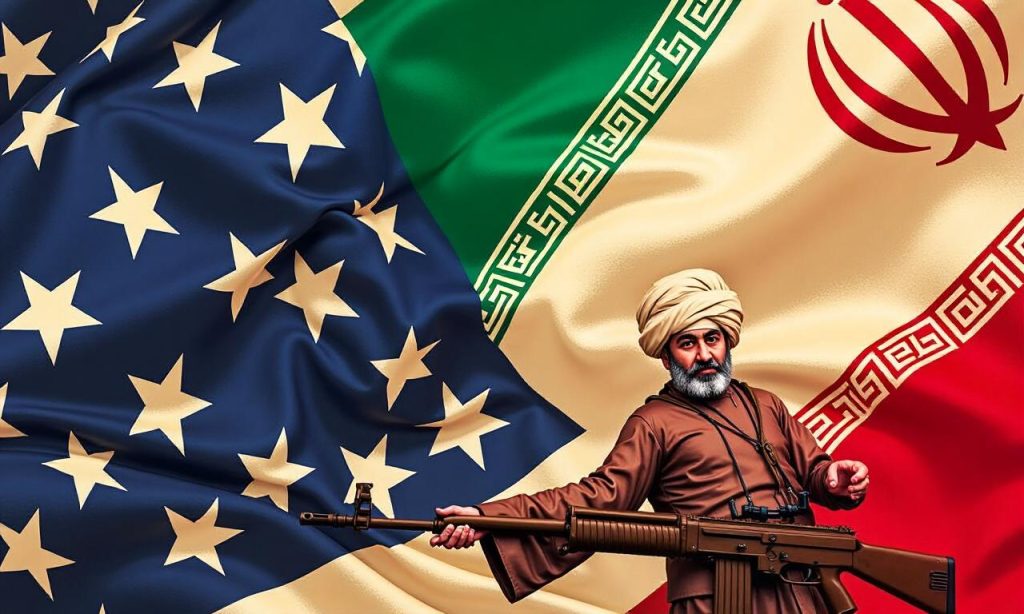
Just days after Mojtaba Khamenei assumed leadership of Iran, hardline factions in Tehran displayed a massive protest banner at a central traffic hub. The slogan, “The Strait of Hormuz will remain closed,” was intended to underscore their stance against U.S. influence. However, this symbol of defiance may soon be removed following Iran’s agreement to a two-week pause in hostilities, as urged by Pakistan. The country’s mediation efforts have led to the Strait’s reopening, a move that has stirred controversy among the most vocal critics of the U.S. and Israel.
The decision, made by the Supreme National Security Council (SNSC), marked a shift from Iran’s prior position of rejecting temporary pauses. The SNSC, which operates under the supreme leader and includes moderate President Masoud Pezeshkian, announced that the Strait would see unimpeded traffic for two weeks in exchange for a ceasefire from the U.S. and Israel. This came after weeks of intense conflict, which had left much of Iran’s infrastructure in ruins.
Despite the agreement, hardliners have expressed frustration. They argue that Iran should have seized the opportunity to escalate pressure on its adversaries, leveraging its control over the Strait to disrupt Gulf nations. The group’s anger was evident when they set fire to U.S. and Israeli flags following the ceasefire announcement. Basij volunteers, linked to the Islamic Revolutionary Guard Corps, protested at the foreign ministry late into the night, rejecting the compromise.
Iranian media reported that the hardline Chief Justice, Gholamhossein Mohseni Ejei, stated on state TV that the nation aimed to end the war while retaining strategic leverage. This echoed sentiments previously expressed by Mohammad Javad Zarif, Iran’s former foreign minister, in a Foreign Affairs piece. The SNSC, however, framed the ceasefire as a strategic win, urging supporters to stay aligned with the new course.
Direct negotiations with the U.S. had been previously barred by the late Ayatollah Ali Khamenei, who was killed in an Israeli strike. Now, with the new leader, Mojtaba Khamenei, the move to engage with U.S. Vice President JD Vance in Islamabad represents a departure from the previous hardline approach. China is said to have played a key role in persuading Iran to accept Pakistan’s mediation.
Even as the ceasefire takes effect, the conflict remains far from over. Talks between the U.S. and Iran are ongoing, but the war could restart if negotiations falter. For some Iranians who supported the conflict as a means to challenge what they view as an oppressive regime, this potential resumption is seen as a positive outcome. Others, though, welcome the temporary calm as a necessary step to prevent further devastation.
“A gift to the enemy,” declared the editor of Kayhan, the hardline newspaper, criticizing the agreement for allowing the U.S. to replenish its forces. The remark highlights the deepening rift within Iran’s leadership over the decision.
