
Why and how is US blockading Iranian ports in Strait of Hormuz?
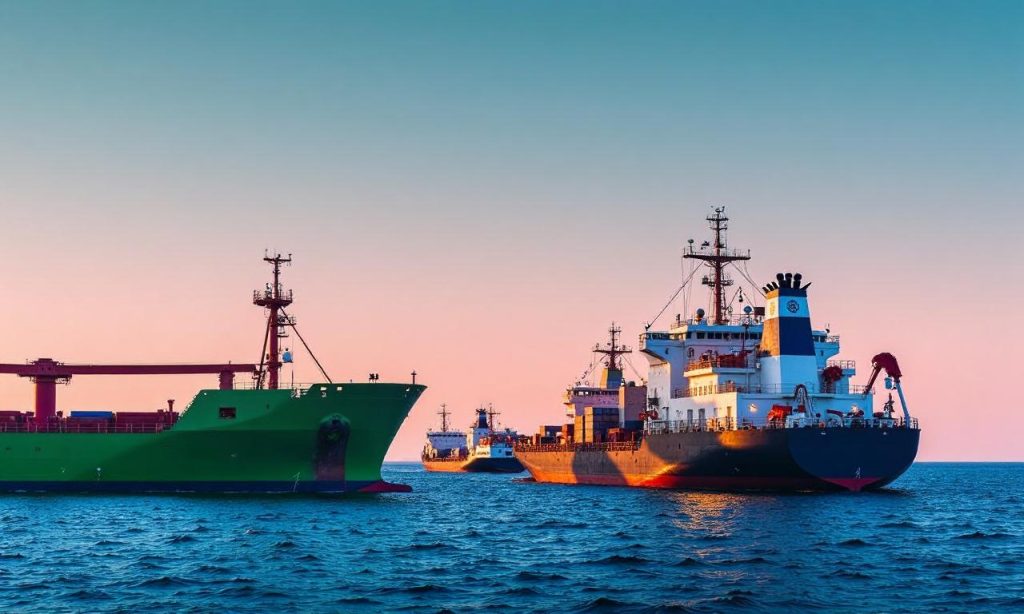
Why and How Is the US Blockading Iranian Ports in the Strait of Hormuz?
The United States has initiated a naval blockade on maritime traffic accessing Iranian ports, as reported by the BBC. This move comes amid tensions following the resumption of hostilities between Iran and its adversaries, with the conflict currently paused under a two-week ceasefire. The US asserts that its strategy will enable ships from other regions to navigate the Strait of Hormuz, which Iran temporarily restricted after retaliating against recent US-Israeli military actions.
Washington’s approach involves deploying its naval forces to regulate access to Iranian ports, aiming to curb Tehran’s economic gains through oil exports. President Trump emphasized this tactic as a way to pressure Iran by targeting two key financial assets: the tolls imposed on vessels using the strait and the country’s oil revenue. “We’re not going to let Iran profit from selling oil to those it prefers and not to others,” he stated during a Fox News interview, framing the operation as a “all or nothing” effort to control the vital shipping route.
Iran’s Response and Legal Debate
Iran has denounced the blockade as an act of “piracy,” vowing to respond by striking ports in Gulf nations. Meanwhile, legal experts have analyzed the maneuver’s compliance with international law. The US Navy’s 2022 Commander’s Handbook describes a blockade as a belligerent action to block enemy-controlled ports, while the International Maritime Organisation (IMO) argues that no nation has the authority to restrict traffic in straits used for global trade.
“I do understand there is a conflict going on there, but there is still no legal basis in international law to take any actions to block any strait used for international navigation,” said UN Secretary-General Arsenio Dominguez.
Professor Donald Rothwell of the Australian National University clarified that under international law, the US, Israel, and Iran would be classified as belligerents. “This means the US can legally impose a blockade under naval warfare rules,” he explained, highlighting the legal justification for the measure.
Operational Focus and Tactical Deployment
Although the exact positioning of US warships remains undisclosed, intelligence suggests they are stationed near the eastern edge of the Gulf of Oman, a critical hub for global oil shipments. This location, approximately 200km south of Iran’s coast, aligns with the closest approach observed by BBC Verify since the conflict began. The US military is expected to use satellite and commercial data to track vessels exiting Iranian ports, intercepting them once they enter the open Indian Ocean.
Analyses of ship movement reveal four Iranian-linked vessels have successfully passed through the Strait of Hormuz despite the blockade. Two of these ships were recorded at Iranian ports via MarineTraffic, indicating continued trade activity. Centcom has confirmed that humanitarian cargo, such as food and medical supplies, will still be permitted through the strait, though inspections are required.
Trump also announced plans to dismantle mines he claims Iran has deployed in the waterway, signaling a broader effort to disrupt Tehran’s maritime operations. While no vessels have been intercepted yet, the strategy underscores the US’s intent to assert control over the region’s strategic chokepoint. The situation remains fluid, with the potential for escalation as both sides navigate the legal and practical challenges of the blockade.
