
US prosecutors argue Maduro ‘plundered’ Venezuelan wealth in court battle over legal fees
US prosecutors argue Maduro ‘plundered’ Venezuelan wealth in court battle over legal fees
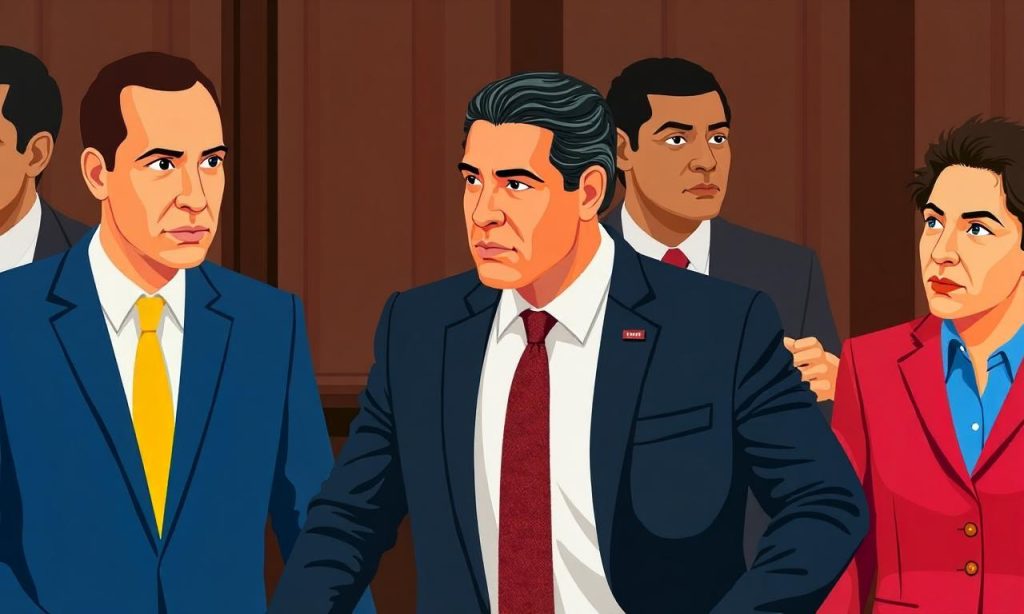
On Thursday, a judge showed inclination toward legal arguments that former Venezuelan leader Nicolás Maduro and his wife, Cilia Flores, should be permitted to use government funds from Venezuela to cover their defense costs. Their attorneys requested the dismissal of the narco-terrorism case against them, citing the US’s refusal to allow access to those funds due to ongoing sanctions on the country. Prosecutors countered, asserting that Maduro had “plundered” Venezuela’s wealth and should not be eligible to use it for legal expenses.
Judge Alvin Hellerstein emphasized that “the right to defence is paramount,” though he confirmed he would not dismiss the case over the dispute. He indicated a later ruling would address the matter, including the next court date. The legal team had sought to remove the case from the dock, arguing the funding issue was critical to their defense.
“We are doing business with Venezuela,” Hellerstein remarked, noting the shift in the country’s foreign policy stance since Maduro’s arrest. The former leader, detained in Brooklyn’s federal Metropolitan Detention Center, has not yet applied for bail, and no trial date has been set.
US forces executed a dramatic night-time raid on Maduro and Flores’s residence in Caracas on January 3, transporting them to New York to face charges of weapon and drug offenses. The couple denies these allegations. During their first court appearance, Maduro delivered a lengthy speech declaring his innocence, but the atmosphere later contrasted sharply as they sat quietly, wearing green khaki prison jumpsuits, with lawyers between them.
The Maduros’ legal team relied on a licence from the US Office of Foreign Assets Control (OFAC) to access Venezuelan government funds, which was initially approved but later revoked. Prosecutors argued that the couple could afford personal funds for their attorneys, while the Maduros disputed this, claiming they needed the government’s support. Under US law, a court-appointed lawyer would be assigned if the defendant cannot afford one, but Hellerstein leaned toward the defense’s claim that the case’s complexity would overwhelm a public defender.
President Donald Trump mentioned during a cabinet meeting in Washington that the US is considering new charges against Maduro, including narco-terrorism conspiracy, cocaine-importation charges, and possession of firearms and explosives. Meanwhile, residents in Caracas expressed cautious interest in the proceedings. Ana Patricia, a retired lawyer, noted that while government media may be controlled, international coverage ensures the process remains visible. She expressed sympathy for Maduro, stating, “He is a man who had everything but lost it through greed and an inflated ego. I feel sorry for him, because in the end, he is a human being, but I hope he receives a life sentence.”
Agustina Parra, a retired nurse, voiced confidence that Maduro would be released, saying, “Despite his flaws, he has not been entirely without support.” The country’s political situation has shifted since Maduro’s arrest, with former Vice-President Delcy Rodríguez now leading the government and Venezuela resuming diplomatic ties with the US.
