
They survived the bombs, but not the virus: Fatal illness spreads in Gaza
They survived the bombs, but not the virus: Fatal illness spreads in Gaza
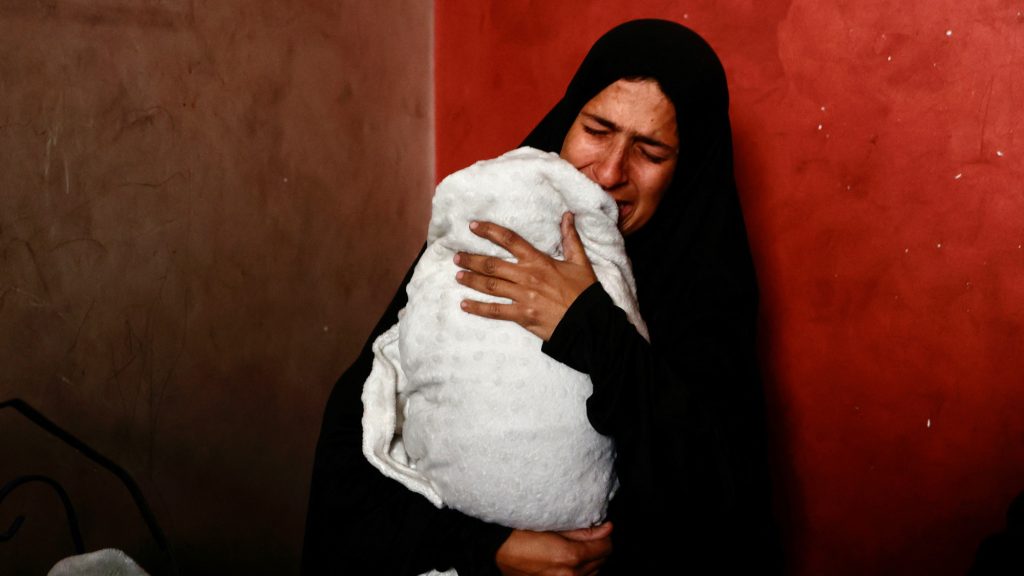
Mariam’s death was a shock to her mother, Marwa Kalloub, who had never considered that her child would perish from a common illness. Even in her worst fears, the 38-year-old mother believed that natural immunity and basic care would suffice for her daughter’s condition.
However, in Gaza, where relentless Israeli bombardments have eroded the health system and starved communities of essential resources, a simple illness became deadly. The region’s infrastructure, already battered by two years of conflict, now struggles to cope with the surge in cases.
“Mariam had no prior health issues,” shared her aunt, Iman Kalloub, in an interview with Middle East Eye. “Before her passing, she experienced intense coughing, vomiting and a high temperature. She stopped eating altogether.”
Mariam, an eight-year-old, was admitted to Rantisi Hospital on 11 January. Once a hub for treating pediatric kidney disease and cancer patients, the facility is now repurposed to handle respiratory and digestive ailments, as well as long-term conditions.
Despite efforts by the Palestinian Ministry of Health to mend the damage, the hospital remains overburdened. “Two years of war didn’t kill her. A small virus did,” said Kalloub, reflecting on the tragedy.
A Mutated Threat
Recent weeks have seen a rapidly spreading virus claim lives across Gaza. Health officials have not definitively pinpointed the pathogen, citing limited testing capabilities and scarce medical supplies. Residents are left guessing about its origin and effects.
With emergency admissions soaring by 200 percent, most patients grapple with respiratory infections, persistent fevers, drastic weight loss and debilitating joint pain. The strain on medical resources has left many without adequate care.
The Crisis Deepens
“Gaza is enduring a humanitarian and health emergency due to the Israeli blockade,” stated Mohammed Abu Salmiya, director of al-Shifa Medical Complex in Gaza City. “Nearly every household has someone infected.”
The World Health Organization-led Health Cluster report from November 2025 highlighted the dire state of Gaza’s medical facilities. It revealed that 55 percent of critical medications were unavailable, and 71 percent of fundamental supplies were depleted.
Abu Salmiya noted that the lack of lab equipment and medicines has made diagnosis and treatment arduous. “Bed occupancy has reached 150 to 200 percent as patient numbers spike,” he said.
Overcrowded shelters, damaged tents, and contaminated water sources are exacerbating the spread of disease. Vulnerable groups like children, the elderly, and those with chronic illnesses are disproportionately affected. Malnutrition and famine have further weakened immune systems, triggering severe complications and fatalities among dialysis, cancer, and heart patients.
Although a ceasefire began on 10 October, UN agencies reported last month that 77 percent of Gaza’s population still faces acute food shortages. This has left many at greater risk of illness, with families urged to isolate children to reduce hospital strain. Yet, the virus continues to move swiftly through the population.
