
Iran Strait of Hormuz warning adds to shipping uncertainty
Iran Strait of Hormuz warning adds to shipping uncertainty
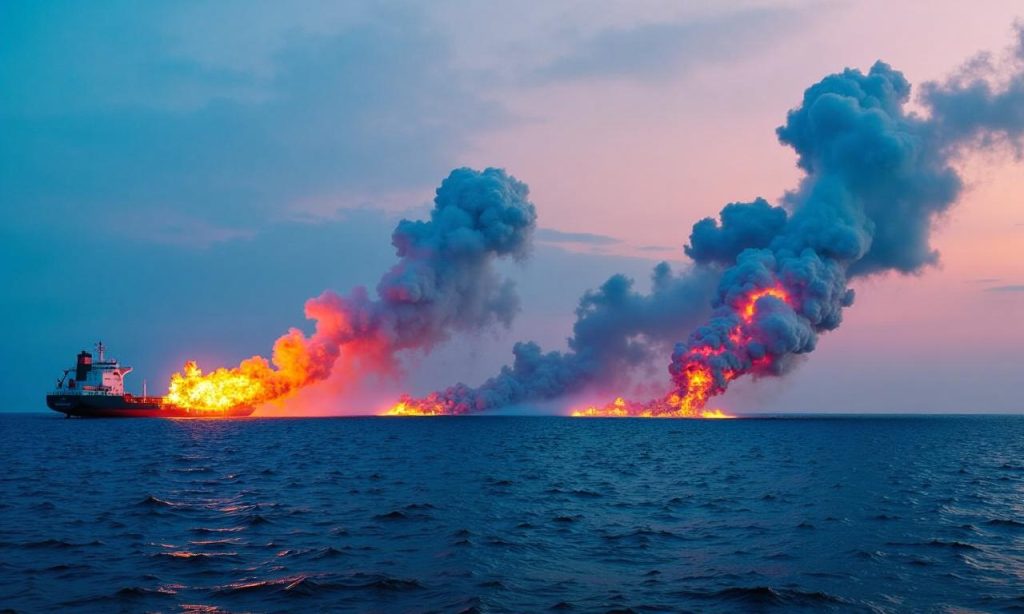
Iran’s navy has issued a caution to maritime vessels transiting the Strait of Hormuz, stating that any ship attempting to cross without prior authorization “will be targeted and destroyed,” according to SSY, a shipping brokerage firm. This alert follows a two-week ceasefire agreement announced on Tuesday evening, which required “safe passage” through the critical waterway as a condition. However, only a handful of vessels have managed to navigate the strait since the deal was made public.
The strait, a key chokepoint for global trade, has become central to the escalating tensions between the US, Israel, and Iran. After Iran disrupted one of the world’s most vital shipping routes—responsible for roughly 20% of global oil and liquefied natural gas—economic repercussions have rippled worldwide. Energy prices have surged, and the fragility of international supply chains has been exposed, given the strait’s narrowest point measures just 33km (21 miles) wide.
Analysts suggest that even with the ceasefire, immediate resumption of full traffic is unlikely. “Most shipping lines prefer to confirm the terms of transit before committing,” says Lars Jensen of Vespucci Maritime. He notes that details on how vessels can safely navigate remain unclear, casting doubt on the effectiveness of the agreement. As of 14:00 BST on 8 April, only three bulk carriers—NJ Earth, Daytona Beach, and Hai Long 1—had crossed the strait, according to BBC Verify’s analysis of MarineTraffic data. This contrasts sharply with the average of 138 ships daily before the conflict began on 28 February.
“It is still too soon to determine if this represents a ceasefire-driven revival or an isolated exception,” adds Ana Subasic from Kpler, highlighting the uncertainty surrounding the current low traffic levels.
While the ceasefire has eased some fears, other risks persist. The three ships that passed through the strait on Wednesday took a northern route near Iran’s coastline, entering its territorial waters, which differs from the usual mid-waterway path. This shift may indicate cautious navigation or strategic moves by operators. Richard Meade of Lloyd’s List emphasizes that the strait remains a perilous zone for shipowners, who continue to grapple with unpredictability despite the pause in hostilities.
Analysts also warn of lingering concerns. Niels Rasmussen from BIMCO notes that the two-week ceasefire may not lead to a significant influx of ships into the Gulf, as operators fear being stranded if the agreement expires. Thomas Kazakos of the International Chamber of Shipping stresses the need for confirmed navigation safety, citing the ongoing threat of sea mines. Additionally, reports suggest Iran may impose tolls for safe passage, creating another layer of complexity for shippers. “The Iranian stance implies payment is required, and shipping lines are reluctant to embrace this unless certain,” says Jensen.
Some nations, such as India, Malaysia, and the Philippines, have secured safe transit for their vessels, but others may hesitate. The potential for tolls could conflict with US sanctions on Iran, prompting further complications for international shipping operators. As the situation unfolds, the Strait of Hormuz continues to symbolize the delicate balance between military deterrence and commercial reliance in global trade.
