
Inside the secret US-led talks to solve the Western Sahara conflict
Inside the secret US-led talks to solve the Western Sahara conflict
US Intensifies Mediation Efforts
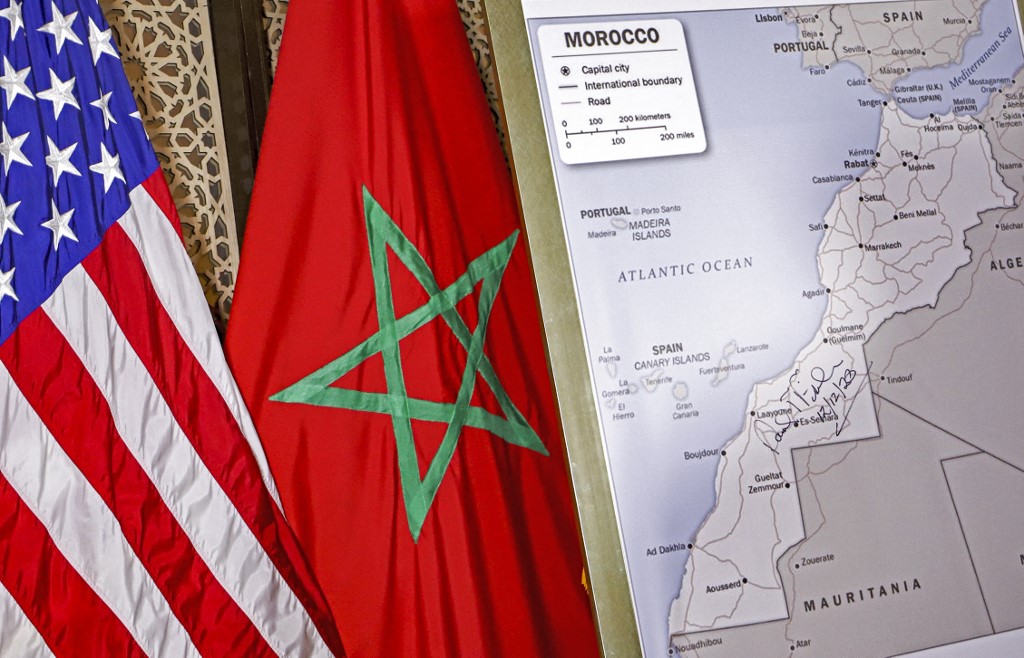
Since autumn, the United States has ramped up its initiatives to address the enduring dispute between Morocco and Western Sahara independence advocates. Three clandestine meetings were organized, uniting key stakeholders for the first time in years. These gatherings, held in Washington and Madrid, aimed to foster dialogue among Morocco, the Polisario Front, and neighboring Algeria and Mauritania.
Challenges in Conflict Resolution
Diplomatic sources shared with Middle East Eye indicate the task is more complex than anticipated. The situation mirrors other long-standing disputes, such as those involving Israelis and Palestinians in Gaza, Armenia and Azerbaijan, or Thailand and Cambodia. US President Donald Trump has positioned himself as a peacemaker on African soil, seeking to balance Morocco’s interests with Algeria’s support for the Sahrawi liberation movement.
UN Designation and Territorial Control
The United Nations has labeled Western Sahara as a non-self-governing territory. Following a 1991 ceasefire, Morocco controls 80% of the region, secured by a defensive wall constructed in the 1980s. The remaining portion is held by the Polisario Front, which has sought independence since 1973. The conflict has remained stagnant for decades, with referendum plans for self-determination never materializing.
Population and Refugee Context
The 266,000 square-kilometer desert is sparsely inhabited. Approximately 600,000 residents, primarily Moroccans, live there, including many soldiers. Indigenous Sahrawi people number fewer than 50,000, with 165,000 living as refugees in Algerian camps. This demographic landscape has shaped the political dynamics of the dispute.
Autonomy Proposal and US Diplomacy
Morocco’s autonomy plan, initially drafted in 2007, has undergone significant expansion. The proposal, once concise, was lengthened to 38 pages in January 2024 after royal advisers—including Fouad Ali El Himma, Taieb Fassi-Fihri, and Omar Azziman—revised its scope. The US envoy for Africa, Massad Boulos, has facilitated three rounds of negotiations in less than a month, from late January to late February.
Trump’s Sovereignty Claim and Global Impact
In December 2020, Trump endorsed Moroccan sovereignty over Western Sahara in a social media post. This move prompted Morocco to join the Abraham Accords and restore ties with Israel, marking a pivotal shift in regional alliances. Macron’s recent alignment with Morocco in July 2024 intensified tensions with Algeria, escalating diplomatic friction.
UN Resolution and Strategic Shifts
Upon returning to the White House, Trump delayed reaffirming his stance on Western Sahara sovereignty for 10 months before backing the issue at the UN. Resolution 2797, adopted on 31 October, endorsed Morocco’s autonomy proposal as a feasible solution, with Russia and China choosing not to vote. This decision signaled strong US backing for Morocco’s position within the Security Council.
Recent Negotiations and Timing Concerns
The latest talks, held in Washington on 23 and 24 February, took place during Ramadan—a timing deemed inconvenient by delegation members, as noted by UN sources. Moroccan and Sahrawi representatives have not met face-to-face since March 2019 under UN auspices, highlighting the recent urgency in diplomatic efforts.
“The delegations did not appreciate the timing of the meetings during Ramadan,” stated a UN source in conversation with Middle East Eye.
