
Cesar Chavez accused of abusing girls and women, drawing outrage and reckoning for civil rights movement
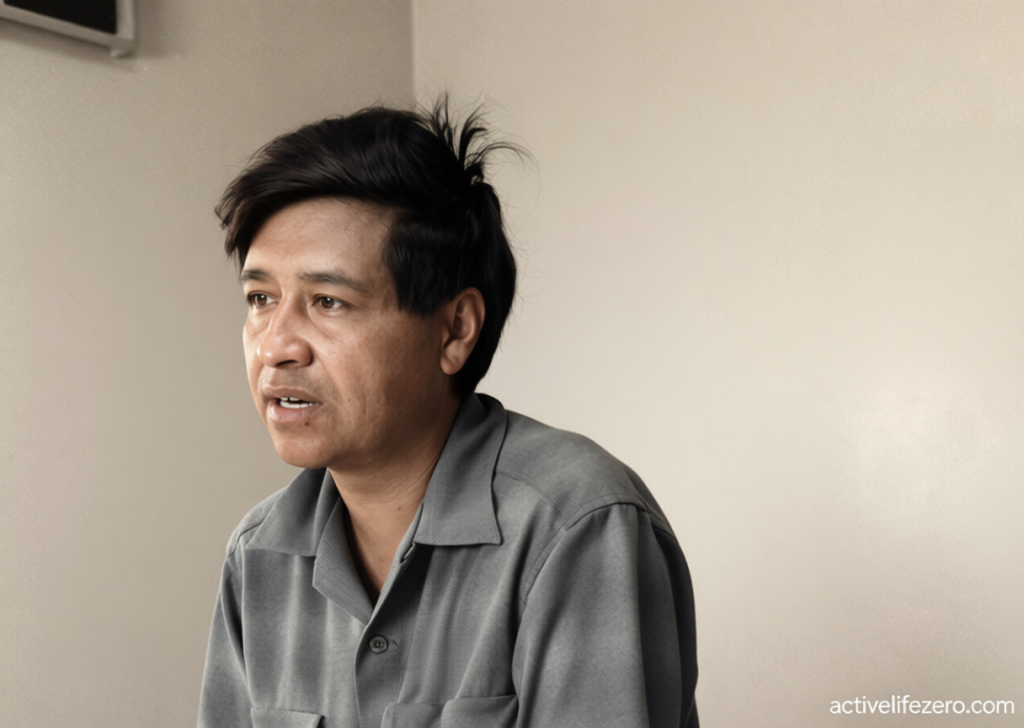
Cesar Chavez accused of abusing girls and women, sparking fresh scrutiny for civil rights movement
The iconic labor rights advocate Cesar Chavez, who passed away in 1993, has faced new allegations of sexual misconduct dating back to the 1960s and 1970s. These claims, which emerged recently, challenge the legacy of the Mexican American civil rights leader and his role in advancing farmworker rights. Huerta, his co-founder and a key figure in the United Farm Workers, shared her account in a public statement, revealing two instances of abuse: one involving manipulation and pressure, and another marked by force and entrapment.
Survivors’ accounts and investigative findings
According to a report by The New York Times, Huerta recounted being coerced into sexual relations by Chavez, citing his status as both her mentor and movement leader as factors that left her hesitant to resist. A second incident, she described as a rape, occurred in a setting where she felt powerless to escape. The publication compiled these allegations through interviews with over 60 individuals, including former associates, family members, and union members, alongside documents like emails, photographs, and meeting recordings.
“The first time I was manipulated and pressured into having sex with him, and I didn’t feel I could say no because he was someone that I admired, my boss and the leader of the movement I had already devoted years of my life to,” Huerta stated. “The second time I was forced, against my will, and in an environment where I felt trapped.”
Family response and personal reflections
Chavez’s family initially expressed “shock and sadness” over the allegations, which span nearly five decades. They later emphasized the “deeply painful” impact on their household, reaffirming their commitment to the causes he championed. Eliseo Medina, a former UFW board member, described the accusations as a “real shock,” questioning how a man who dedicated his life to justice could act against it.
“The man I thought he was, was someone else,” Medina said. “All those years we worked together and the things we shared, the values and what we were fighting for, it just seems he didn’t believe in those things or somehow separated those from what he was doing as union leader.”
Medina, who once anticipated leading the movement after Chavez, left the union over ideological differences. He mentioned knowing the parents of the girls involved but not the victims themselves. Meanwhile, Delia Garcia, a former labor secretary in Kansas, expressed emotional distress upon learning of the accusations. She tearfully stated her support for Huerta and other survivors, vowing to remove Chavez’s photos from her home as a symbolic gesture.
Legacy under review
Chavez remains a revered figure in the civil rights and labor movements, celebrated as a pioneering Latino leader. His work inspired countless activists, and his name is honored in public spaces and policies across the U.S. However, the new allegations have prompted introspection within the Mexican American and Latino communities, questioning the extent of his contributions versus his personal actions.
As the story unfolds, survivors and critics alike call for recognition of the harm caused, urging the movement to address both its triumphs and its shortcomings. The family’s plea for privacy and understanding underscores the ongoing debate about how to reconcile Chavez’s legacy with these new revelations.
