
How to Manage Stress and Anxiety Effectively
Learn practical techniques on how to manage stress and anxiety. Discover breathing exercises, mindfulness, and lifestyle changes for better mental well-being.
Have you ever wondered why stress and anxiety seem to follow us everywhere? These feelings are universal, affecting our body and mind in ways we often don’t realize. The good news is, there are proven strategies to help us regain control.
Simple activities like exercise, deep breathing, and structured routines can make a big difference. These methods not only ease negative emotions but also boost our overall health. By practicing them consistently, we can strengthen our resilience and improve our well-being.
In this article, we’ll explore practical ways to cope with these challenges. Together, we’ll discover how small changes can lead to big improvements in our daily lives.
Understanding Stress and Anxiety
Stress and anxiety are part of our daily lives, but understanding them can help us cope better. These feelings are natural responses to challenges, yet they affect each person differently. By learning more about them, we can take steps to improve our health and well-being.
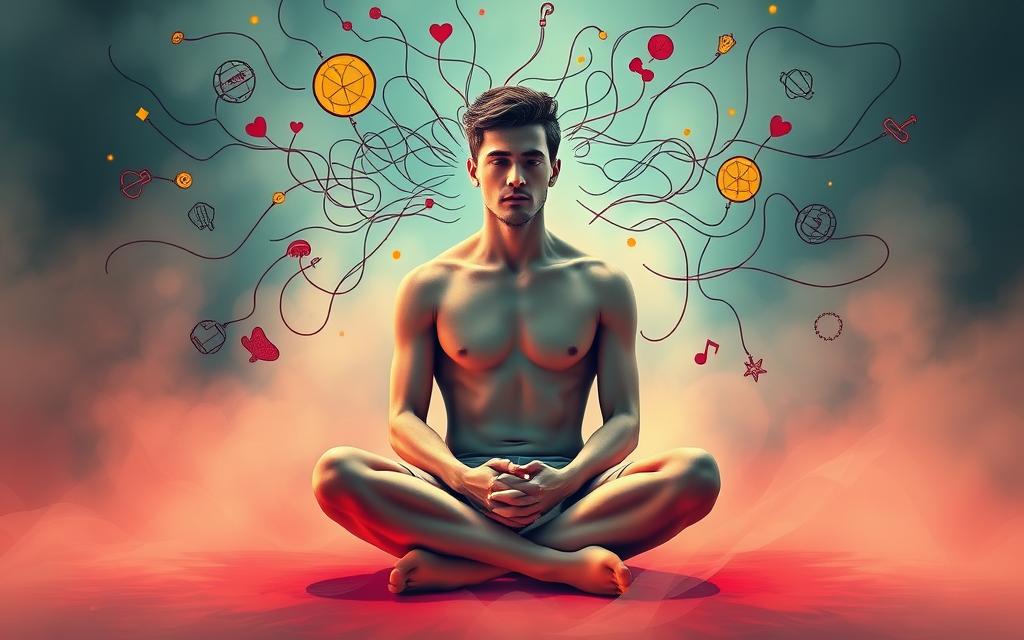
What is Stress?
Stress is our body’s way of reacting to demands or threats. It’s a natural response that helps us stay alert and focused. However, when stress becomes a constant problem, it can harm our health. Common symptoms include headaches, fatigue, and trouble sleeping.
Recognizing Anxiety Symptoms
Anxiety often feels like intense worry or fear. Unlike stress, which is tied to a specific situation, anxiety can linger even when there’s no immediate problem. Symptoms may include racing thoughts, restlessness, and difficulty concentrating. Recognizing these signs is the first step toward finding relief.
Key Differences: Stress, Worry, and Anxiety
While stress, worry, and anxiety are related, they’re not the same. Stress is a response to a challenge, worry is a thought process, and anxiety is a persistent feeling of unease. Here’s a quick comparison:
| Type | Trigger | Duration | Intensity |
|---|---|---|---|
| Stress | Specific situation | Short-term | Moderate |
| Worry | Future events | Short-term | Mild to moderate |
| Anxiety | No specific trigger | Long-term | High |
Understanding these differences helps us address each feeling effectively. Even a minute of relaxation can make a big difference in restoring balance. Our family and life context also play a role in how we experience these emotions.
Effective Coping Strategies for Stress and Anxiety
Finding ways to handle daily pressures can transform our lives. Simple techniques can help us feel more in control and reduce overwhelming emotions. By incorporating these methods into our routine, we can build resilience and improve our well-being.
Relaxation Techniques and Deep Breathing
Relaxation techniques are a powerful tool to calm the mind and body. Deep breathing, for example, helps reduce physical tension and promotes a sense of calm. By focusing on slow, steady breaths, we can lower our heart rate and ease anxiety.
Here’s a simple deep breathing exercise to try:
- Sit or lie down in a comfortable position.
- Place one hand on your chest and the other on your stomach.
- Inhale slowly through your nose, feeling your stomach rise.
- Exhale gently through your mouth, letting your stomach fall.
Practicing this technique for just a few minutes daily can make a big difference.
Progressive Muscle Relaxation Insights
Progressive muscle relaxation is another effective technique. It involves tensing and then relaxing different muscle groups. This practice helps release physical tension and promotes relaxation throughout the body.
Here’s how to get started:
- Find a quiet space and sit or lie down comfortably.
- Start with your feet, tensing the muscles for 5 seconds, then release.
- Move upward, working through your legs, abdomen, arms, and face.
This technique is especially helpful for those who carry tension in their muscles.
Calming music or guided imagery can enhance these practices. Listening to soothing sounds or visualizing peaceful scenes can deepen relaxation. Meditation is also a valuable addition to daily practice, helping maintain emotional balance over time.
| Technique | Focus | Benefits |
|---|---|---|
| Deep Breathing | Breath control | Reduces heart rate, calms the mind |
| Progressive Muscle Relaxation | Muscle tension release | Eases physical tension, promotes relaxation |
| Meditation | Mindfulness | Improves emotional balance, reduces anxiety |
Consistency is key when using these methods. Even a small effort can help prevent stress from developing into a more serious disorder. By integrating these techniques into our routine, we can take proactive steps toward better mental health.
How to Manage Stress and Anxiety
Daily routines can be a powerful tool to reshape our mental well-being. By integrating small, mindful practices into our day, we can reduce overwhelming feelings and stay grounded. These habits help us focus on the present moment, breaking free from persistent negative thought patterns.
Building Mindful Practices
Mindfulness is about being fully present in the moment. It helps calm the brain and reduces worry. Here are some simple practices to try:
- Start your day with a few minutes of deep breathing.
- Take short breaks during work to reset your mind.
- Practice gratitude by noting three things you’re thankful for each day.
Organizing Work and Personal Life
Balancing work and personal life can minimize stressful situations. Here’s how to create a more structured routine:
- Set clear boundaries between work hours and personal time.
- Prioritize tasks to avoid feeling overwhelmed.
- Use tools like calendars or apps to stay organized.
Small adjustments in our daily habits can lead to significant improvements. By focusing on the present and organizing our lives, we can better manage worry and maintain emotional balance. Remember, seeking help when needed is a sign of strength, and no one has to face challenging situations alone.
Physical Activity and Mind-Body Practices
Incorporating physical activity into our day can be a game-changer for mental calm. Regular movement not only boosts our physical health but also helps ease overwhelming feelings. From a brisk walk to a yoga session, these practices offer a natural way to manage daily pressures.
Exercise Routines for Stress Relief
Exercise is a powerful tool to reduce tension and improve mood. Simple routines like walking, jogging, or light strength training can make a big difference. Even a short session each day can help us feel more in control.
Here are a few tips to get started:
- Take a 10-minute walk during lunch breaks.
- Try light stretching to release muscle tightness.
- Set aside 15 minutes for a quick workout at home.
Consistency is key. Over time, these small efforts can lead to lasting benefits for both mind and body.
Yoga, Meditation, and Guided Imagery
Mind-body practices like yoga and meditation are excellent for calming the mind. Yoga combines physical movement with deep breathing, helping to release tension and promote relaxation. Meditation focuses on the present moment, reducing racing thoughts.
Guided imagery is another effective technique. It involves visualizing peaceful scenes to create a sense of calm. Here’s how to try it:
- Find a quiet space and close your eyes.
- Picture a serene place, like a beach or forest.
- Focus on the details—sounds, smells, and sensations.
These practices can be done in just a few moments, making them easy to fit into a busy day. They’re a great way to manage stress and improve overall well-being.
Finding the right balance of physical and mindful activities can transform how we handle daily challenges. By making these practices part of our routine, we can build resilience and enjoy a calmer, more balanced life.
Conclusion
Taking small steps toward better mental health can lead to lasting change. By maintaining a balanced level of physical activity each week, we support both our heart and overall well-being. Practices like yoga and mindfulness offer a natural way to stay grounded and calm.
Remember, every little effort counts. Book time for self-care and reach out to someone if you need advice. Reflect on the techniques shared here and consider revisiting this article for more tips or sharing it with a friend.
Together, we can embrace this journey toward a healthier, more balanced life. Let’s take these steps one day at a time.
Want to take control of your stress? Find more mental health tips at ActiveLifeZero.com and start living stress-free today!
FAQ
What are the main differences between stress, worry, and anxiety?
Stress is our body’s response to a challenge, worry is the mental part of that response, and anxiety is a prolonged feeling of unease often without a clear cause. Recognizing these differences helps us address each effectively.
How can relaxation techniques like deep breathing help?
Deep breathing calms our nervous system, reducing tension and promoting a sense of peace. It’s a simple yet powerful way to regain control during overwhelming moments.
What is progressive muscle relaxation, and how does it work?
This technique involves tensing and then relaxing each muscle group. It helps us become more aware of physical tension and release it, easing both body and mind.
Can daily habits really make a difference in managing stress?
Absolutely! Small changes like mindful breathing, journaling, or setting aside time for hobbies can create a balanced routine that supports mental health.
How does physical activity reduce stress levels?
Exercise releases endorphins, which boost mood and reduce stress hormones. Even a short walk can refresh our mind and improve focus.
What role does yoga play in managing anxiety?
Yoga combines movement, breath, and mindfulness, helping us stay present and reduce anxious thoughts. It’s a gentle way to connect body and mind.
Are there quick techniques for immediate stress relief?
Yes! Taking a few deep breaths, listening to calming music, or stepping outside for fresh air can provide instant relief in tense situations.
How can meditation help with long-term anxiety management?
Regular meditation trains our brain to focus and stay calm. Over time, it reduces the intensity of anxious thoughts and improves emotional resilience.
