
How Much Protein a Day to Gain Muscle? Guidelines for Optimal Intake
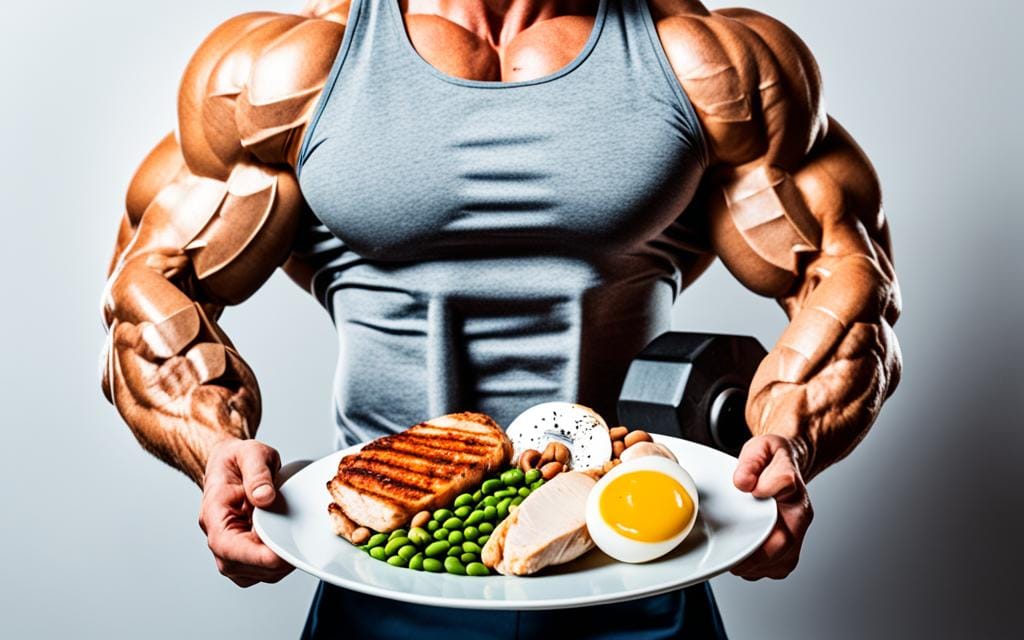
How Much Protein a Day to Gain Muscle? Building muscle is a journey involving dedication and understanding how important protein is. You’re aiming for a stronger body, so figuring out the right daily protein amount is key.
This guide will explain the critical role of protein in muscle building and offer advice on the best daily amount for your goals.
Protein is crucial as it forms the basis of muscle growth. Learning how protein and muscles are intertwined helps us eat better for our goals. We’ll look at the part protein plays, find your ideal protein needs, and discover the best ways to eat protein for more muscles.
Understanding the Role of Protein in Muscle Growth
Protein is key for growing and keeping muscles healthy. It’s made up of amino acids which are muscle’s building blocks. This shows how important protein is for muscle growth.
Protein: The Building Blocks of Muscle
Eating foods rich in protein helps our bodies. It breaks down the protein into amino acids. These amino acids then fix and build our muscles. Knowing this, we can eat enough protein to meet our muscle needs.
Factors Influencing Protein Requirements
Many things affect how much protein someone needs. This includes age, how active they are, and their general health. If you do a lot of strength training or exercise a ton, you might need extra protein. The same goes for older people to prevent muscle loss as they age.
It’s vital to think about these factors and adjust our diets. This way, we make sure to get the right amount of protein for building muscles. Understanding what influences our protein needs helps us eat right for our fitness aims.
Calculating Your Protein Needs for Muscle Gain
To build your muscles, figuring out how much protein you need is key. The protein amount differs for each person, based on their weight, what they do in a day, and their goals. Here, we’ll share a formula and tips. These will help you find out how much protein you should eat to grow your muscles.
Calculating Your Protein Intake
The common way to set your muscle-building protein target is:
- First, find out how much you weigh in pounds or kilograms.
- Next, times your weight by 0.7 to 1.0 grams if in pounds, or 1.5 to 2.2 grams if in kilograms. This gives you your daily protein goal.
- For instance, if you are 150 pounds (68 kg), you would aim to eat 105 to 150 grams of protein each day. This can change based on your routine and muscle-building aims.
This guideline is a good start, but your needs might be different. Things like how hard you work out, how fit you are, and what you eat overall could change it. Keep track of your progress. Make changes to your protein intake as needed to meet your muscle growth goals.
Factors to Consider
- Activity Level: Those who are very active and do strength training a lot will need more protein. This helps their muscles grow and recover.
- Muscle Mass: People with more muscle typically need extra protein. It helps them keep and build more muscle.
- Age: Our body’s ability to use protein can decrease as we get older. This might mean older adults need more protein to stay strong.
Calculating your protein needs is just the start. It’s crucial to consistently hit your daily protein goal, whether through food or supplements. In the next part, we’ll look into top protein sources. These will help you with your workout and muscle-building goals.
Hitting the Sweet Spot: Recommended Protein Intake
Getting the right amount of protein is key to building muscle. We will talk about how much protein you need daily to grow muscle. Plus, we will cover tips on adjusting your protein intake for different activity levels and goals.
Recommended Daily Protein Intake for Muscle Gain
The goal for protein when building muscle is between 1.6 to 2.2 grams per kilogram of your weight. For example, someone who weighs 150 pounds (68 kg) should eat 109 to 150 grams of protein each day.
Adjusting Protein Intake Based on Activity Level
If you work out more, you’ll need more protein. Here’s a rule of thumb:
- Light or moderate exercise means you eat 1.6 to 1.8 grams of protein per kilogram of your weight.
- Harder training demands more, about 1.8 to 2.2 grams per kilo.
- Endurance athletes should aim for 2.2 to 2.4 grams per kilogram to help their muscles recover.
It’s vital to match your protein intake to your exercise and health goals. This ensures your muscles have what they need to grow and repair.
| Activity Level | Recommended Protein Intake (g/kg) |
|---|---|
| Light or Moderate Exercise | 1.6-1.8 g/kg |
| Strength or Resistance Training | 1.8-2.2 g/kg |
| Endurance Sports | 2.2-2.4 g/kg |
These are just guides. Your protein needs depend on your age, gender, and health. Always seek advice from a nutrition expert to find your perfect protein balance.
High-Quality Protein Sources for Muscle Building
The protein you eat is key for building muscle. We’ll look at top protein sources, from animals and plants. These can help you with muscle gain.
Animal-Based Protein Sources
Animal proteins are great for growing muscle. They have all the amino acids you need and your body can use them well. Here are some top picks:
- Lean beef: Has important amino acids, like leucine, for muscle growth.
- Chicken and turkey: Are lean, high in protein, and low in fat.
- Eggs: They’re packed with essential amino acids, easy to digest, and perfect after working out.
- Dairy products (milk, cheese, and yogurt): Mix fast whey protein and slow casein protein, great for building and keeping muscle.
- Fish: Fatty fish such as salmon, tuna, and mackerel are protein-rich. They also have omega-3s to help your muscles recover and lower inflammation.
Plant-Based Protein Sources
Plant proteins can also be great for muscle growth. They may not have as complete a profile as animal proteins but offer many benefits. Some of the best plant sources include:
- Soy: Tofu, tempeh, and soybeans are complete plant proteins with all the essential amino acids.
- Legumes: Beans, lentils, and peas are versatile and rich in protein.
- Nuts and seeds: Like almonds, peanuts, and chia seeds, they add protein and healthy fats to your diet.
- Quinoa: As an ancient grain, it’s a complete protein source.
- Protein-rich grains: Foods like oats, brown rice, and whole-wheat bread add to your daily protein.
For a strong muscle-building diet, mix up your protein sources. Include both animals and plants. This way, you get all the amino acids your muscles need to grow and heal.
Optimizing Protein Timing for Maximum Muscle Growth
Taking protein at the right times can boost your muscle growth. When you eat protein near your workouts or throughout the day, you help fix and grow your muscles. Read on to find out when to eat protein for the best muscle growth.
The Importance of Protein Timing
Protein is key for growing muscles. It gets turned into amino acids that repair and rebuild muscle fibers. Timing when you get this protein right helps your muscles always have what they need. This leads to better muscle growth and recovery.
Optimal Protein Timing for Muscle Growth
- Pre-Workout: Eating protein 30-60 minutes before a workout gives your muscles amino acids. This helps them grow and fix during exercise.
- Post-Workout: After your workout is vital for muscle growth. Eat a protein meal or shake within 30 minutes to boost protein use and recovery.
- Throughout the Day: Don’t eat all your protein in just a few meals. Spread it out. This keeps a steady flow of amino acids for muscle growth and repair.
Following these protein timing tips will give your muscles the nutrition for growth and strength. It’s a key step to building muscle well.
But, remember, protein timing is just part of the muscle-building plan. A balanced diet, regular exercise, and enough sleep are also important. Keep at it, and see how timed protein boosts your muscle growth.
How Much Protein a Day to Gain Muscle?
Finding the right amount of protein each day can change how you reach your fitness goals. Knowing the best amount helps you eat right to build muscle well.
Protein is key for building muscles. Your body needs amino acids, the basics of protein, to add muscle. The amount of protein you need changes with your daily activities, weight, and fitness goals.
Research suggests that for building muscle, aim for 1.6 to 2.2 grams of protein for every kilogram you weigh. For someone who is 150 pounds (68 kg), this means they should get 109 to 150 grams of protein daily.
If you do a lot of intense weightlifting, you might need more protein. You could need up to 2.2 grams per kilogram of your weight. That’s around 150 grams or more for a 150-pound person.
| Body Weight | Recommended Protein Intake for Muscle Gain |
|---|---|
| 150 lbs (68 kg) | 109 – 150 grams per day |
| 180 lbs (82 kg) | 131 – 180 grams per day |
| 200 lbs (91 kg) | 146 – 200 grams per day |
Adding the right amount of protein to your meals helps your muscles grow. It gets you closer to your fitness targets.
Getting enough protein, along with the right carbs and fats, is key to good health and muscle growth. Next up, we’ll look into using protein supplements to help you build muscle better.
Protein Supplementation: Benefits and Considerations
Building muscle usually starts with a diet rich in whole foods. Yet, protein supplements can help you reach your muscle growth goals. We will look at the various protein supplements, their benefits, and when to use them in your fitness plan.
Types of Protein Supplements
The choice in protein supplements can be overwhelming. Here are some common types:
- Whey protein: A fast-absorbing, high-quality protein from dairy.
- Casein protein: A protein that digests slowly, providing a steady flow of amino acids.
- Plant-based proteins: Options like soy, pea, and hemp suit vegetarians and vegans.
- Meal replacement shakes: They mix proteins, carbs, and nutrients for a quick protein fix.
When to Consider Protein Supplements
Protein supplements are useful for muscle growth, but they can’t replace a balanced diet. Consider them if you face these challenges:
- Can’t get enough protein from food alone: Supplements help fill the protein gap.
- Intense workouts demand more protein: Serious athletes need extra protein to aid muscles.
- Convenience is key: They offer a fast protein fix when time or a full meal is scarce.
Always assess the benefits and implications of supplementing protein in your diet. Fit it to your goals, diet choices, and health with the advice of a professional.
| Supplement | Protein Content (per serving) | Absorption Rate | Potential Benefits |
|---|---|---|---|
| Whey Protein | 20-30 grams | Fast | Rapid amino acid delivery, high in branched-chain amino acids (BCAAs) |
| Casein Protein | 20-30 grams | Slow | Sustained amino acid release, ideal for muscle recovery |
| Plant-Based Protein | 15-25 grams | Varies | Suitable for vegetarians/vegans, often high in fiber and other nutrients |
Balancing Protein with Other Macronutrients
Protein is the top player for building muscle. But to boost muscle growth, we need the right mix of protein, carbs, and fats. This blend helps us achieve our muscle goals and stay healthy.
Protein is key for muscle growth. It has amino acids that fix and grow muscles. But, without enough carbs and fats, protein isn’t used well. Carbs give us energy for workouts and help muscles grow. Fats help hormones, joints, and our body work well.
Optimal Macronutrient Ratios for Muscle Building
Experts advise this ratio to build more muscle:
- Protein: 20-30% of total daily calories
- Carbohydrates: 40-60% of total daily calories
- Fats: 20-30% of total daily calories
By mixing protein with carbs and fats, we give our body what it needs. This helps build and keep muscle while keeping us healthy.
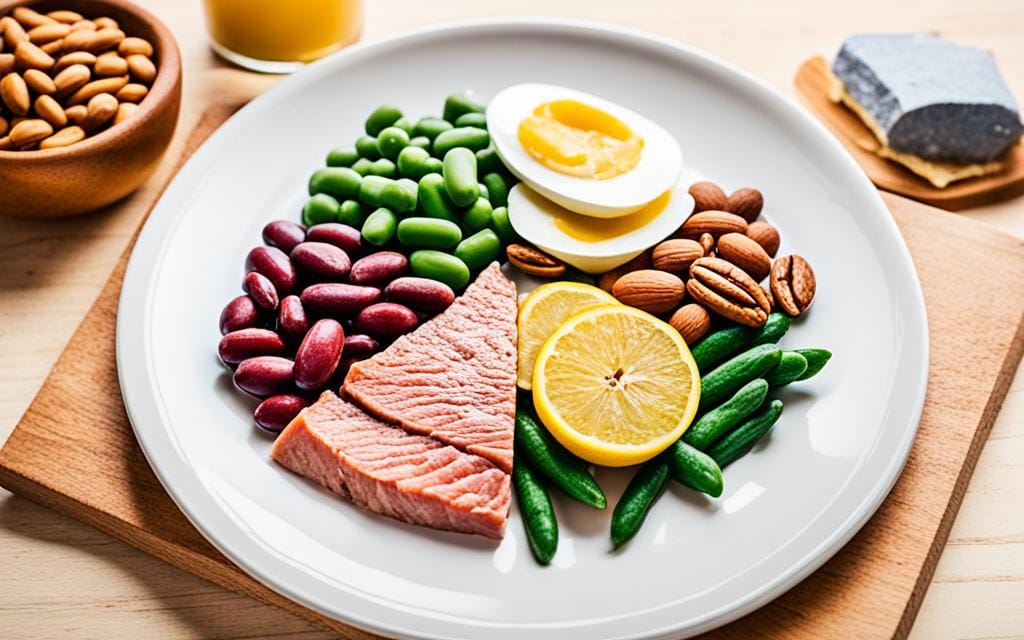
Note, these are general recommendations. Your needs may change depending on your activity, body, and health goals. A nutritionist or dietitian can help you find your ideal mix for building muscles.
Conclusion
We’ve filled you in on how much protein is best to gain muscle. If you follow what we’ve said, you’ll eat just enough protein. This will help you build muscles and reach your fitness goals.
Calculate how much protein you need based on how active you are. Eat a mix of different proteins and plan when to eat them around your exercise. With this info, you can get the body you want.
Your path to fitness is your own. Stay patient and adjust as you see fit. Keep up the good work with your protein, and you’ll see big changes in your muscles and sports skills.
