
Best Treatment for Enlarged Prostate: Top Tips
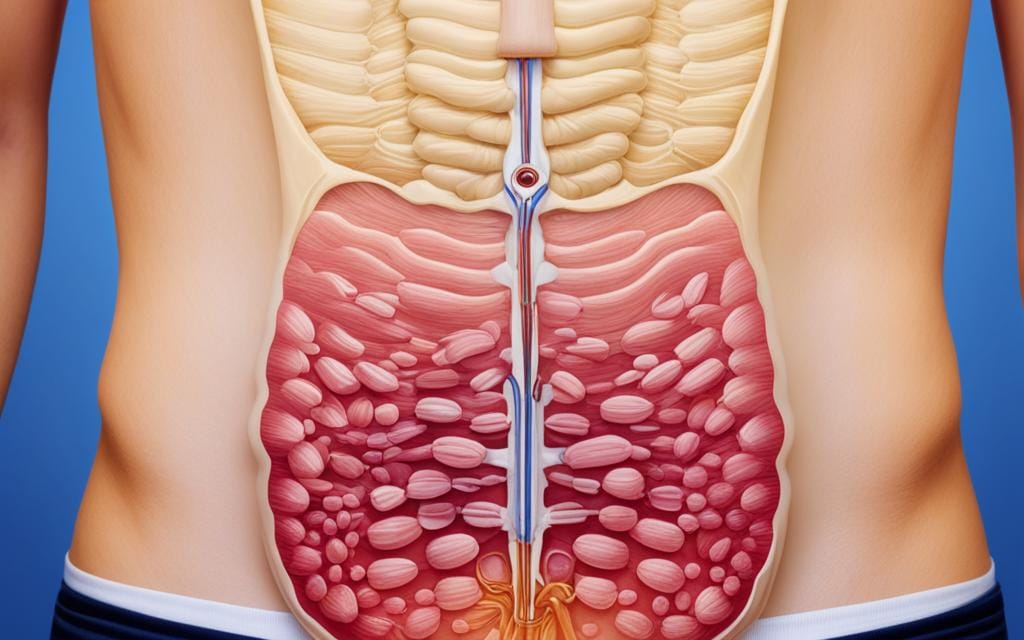
As men get older, an enlarged prostate, or benign prostatic hyperplasia (BPH), is a common issue. It can really affect their daily life1. Symptoms include needing to pee a lot, having a weak stream, and even losing control of your bladder. But don’t worry, there are many ways to handle this non-cancerous prostate growth.
This article will cover the best ways to deal with an enlarged prostate. You’ll learn about lifestyle changes, natural remedies, medications, and less invasive treatments. I aim to help you manage your symptoms and improve your life quality1.
If you’ve just found out you have an enlarged prostate or have been dealing with it for a while, this guide is for you. It’s packed with information and advice to help you take control of your2 prostate health. You’ll learn how to find the right treatment for you. Get ready to improve your life and feel free from the effects of an enlarged prostate.
Understanding Benign Prostatic Hyperplasia (BPH)
BPH is a common issue where the prostate gland grows too much in older men. It’s not cancer. The prostate makes fluid for semen in the male body. As men get older, the prostate grows, but with BPH, it grows too much. This can make urination hard and cause discomfort.
Symptoms and Causes of an Enlarged Prostate
Signs of an enlarged prostate include needing to pee a lot and urgently, trouble starting or keeping the flow going, leaking, and feeling like you didn’t empty your bladder fully. It’s thought that BPH comes from cells growing too much and changes in hormones, like testosterone and dihydrotestosterone.
Prevalence and Risk Factors of BPH
About half of men in their 50s and 60s have BPH, and up to 90% of men 80 and older do3. Things that make BPH more likely include getting older, having a family history, being overweight, and having diabetes3.
| BPH Prevalence by Age | Percentage of Men Affected |
|---|---|
| 51-60 years old | 50% |
| Older than 80 years | 90% |
Knowing the signs and what causes BPH is key to getting the right medical help and managing this common issue3.
Lifestyle Changes for Managing BPH
For many men with an enlarged prostate, making lifestyle changes can help manage symptoms and slow the condition’s progression4. Regular exercise can reduce BPH risk, with any physical activity helping5. But, avoid exercises like cycling that put pressure on the perineum, as they can cause numbness or nerve problems4. Instead, try Kegel exercises to strengthen the pelvic floor muscles and reduce urine dribbling.
Exercises for Prostate Health
Pelvic floor muscle exercises (Kegel exercises) should be done 5-15 times, three to five times a day4. These exercises can improve bladder control and lower the risk of prostatitis, a condition that causes inflammation and pain in the prostate gland.
Dietary and Fluid Intake Modifications
Limiting caffeine and alcohol can reduce bladder and prostate irritation5. It’s important to stay hydrated, but avoid drinking too much fluid before bedtime to prevent frequent bathroom trips4. High doses of zinc supplements should be avoided as they can make BPH symptoms worse4. Eating a diet rich in fruits and vegetables and low in animal fats can lower the risk of prostate cancer5.
These simple lifestyle changes can greatly improve life for men with an enlarged prostate4. Over 50% of people with BPH can manage their symptoms and avoid surgery through these changes4.
Natural Remedies for Enlarged Prostate
For men with mild to moderate BPH symptoms, natural remedies and herbal supplements can help. These options offer a holistic way to manage symptoms without the side effects of prescription drugs.
Herbal Supplements: Saw Palmetto, Rye Grass Pollen, and More
Saw palmetto, a palm from the southeastern U.S., is a top choice for BPH treatment. Its extract may stop the conversion of testosterone to DHT, which can make the prostate grow6. Studies show it can reduce prostate size and ease BPH symptoms6.
Rye grass pollen extract, like Cernilton, may slow prostate growth with its anti-inflammatory effects7. A 6-month study found it helped men with BPH more than a placebo, but its strength against drugs is still unknown7.
Other supplements that might help include stinging nettle, pygeum africanum, lycopene, and green tea7. These options have mixed results, but they could be an alternative under a doctor’s advice, especially for those avoiding drugs.
8 A 2019 review found nettle root extracts can ease BPH symptoms and improve life quality8. Zinc supplements might also help by preventing zinc deficiency and easing BPH symptoms8. Cranberry supplements helped men with BPH by improving flow, reducing nighttime bathroom trips, and easing urgency8. Pumpkin seed extract was also tested for three months, showing a 30% symptom decrease and better life quality8.
It’s key to talk to healthcare professionals before trying natural remedies for BPH8. Taking care of prostate health is important for men of all ages, affecting their overall well-being and life quality8.
Natural remedies and supplements can be a big help for BPH, but working with healthcare providers is crucial for safety and effectiveness. By combining these with lifestyle changes and possibly prescription drugs, men with BPH can find the best solution for them.
Medications for Treating Enlarged Prostate
For men with persistent benign prostatic hyperplasia (BPH) symptoms, prescription drugs might be the next step after lifestyle changes and natural remedies. There are two main types of drugs for an enlarged prostate: alpha blockers and 5-alpha reductase inhibitors.
Alpha Blockers and 5-Alpha Reductase Inhibitors
Alpha blockers, like Flomax, Rapaflo, and Cardura, relax the muscles around the prostate to help urine flow better9. These drugs might cause side effects such as dizziness, fainting, headaches, lightheadedness, and low blood pressure9. On the other hand, 5-alpha reductase inhibitors, including Proscar and Avodart, block the production of dihydrotestosterone (DHT) and can shrink the prostate over time9. But, men taking these drugs might see reduced semen production and lower PSA levels as side effects9.
In some cases, doctors might prescribe a mix of an alpha blocker and a 5-alpha reductase inhibitor for the best symptom relief9. While these drugs can help manage BPH, it’s crucial to talk about the risks and benefits with a healthcare provider before starting any treatment.

Natural supplements like saw palmetto, beta-sitosterol, pygeum, and rye grass are also used for BPH, but their effectiveness can differ9. For men with mild symptoms, watching the prostate size once a year might be a good option. This approach helps avoid potential side effects from medications or expensive treatments9.
Best Treatment for Enlarged Prostate
Finding the right treatment for an enlarged prostate, or Benign Prostatic Hyperplasia (BPH), depends on the person’s situation. The Urology Care Foundation says about 50 percent of men in their 50s have this issue10. Luckily, there are many ways to treat it, from simple changes in lifestyle to more complex procedures and surgeries.
For mild to moderate BPH, making lifestyle changes can help first. This means cutting down on alcohol, caffeine, artificial sweeteners, and fizzy drinks. It also means being careful with how much fluid you drink, especially before bed. Also, double checking after you go to the bathroom and looking at your medicines for any side effects that make things worse can help11.
If changing your lifestyle doesn’t help enough, your doctor might suggest medicine. Alpha blockers like Tamsulosin and Alfuzosin can make going to the bathroom easier and less often within a day or two10. 5-alpha reductase inhibitors, such as Finasteride and Dutasteride, might take three to six months to work but work better with an alpha blocker10.
For severe BPH that really affects your life, there are more options. These include things like laser treatments, microwave therapy, and needle ablation10. In some cases, removing the prostate completely might be the best choice10.
The best treatment for an enlarged prostate is chosen by your doctor after a full check-up and talking about your options. Knowing about the different ways to treat BPH helps men work with their doctors to find what’s best for them.
Minimally Invasive Procedures for BPH
Men with moderate to severe BPH symptoms may find relief with minimally invasive procedures. These options are between medication and surgery. They have shorter recovery times and lower risks of bleeding and sexual problems.
Laser Therapy
Laser therapy uses high-energy lasers to remove excess prostate tissue. This helps improve urine flow with fewer sexual side effects than other surgeries for BPH12.
Prostate Lifts
Prostate lifts compress the prostate sides with special tags. This can improve urine flow without the sexual side effects of other treatments13. Benefits can last up to five years.
Water Vapor Therapy
Water vapor therapy uses steam to remove prostate tissue. It’s a minimally invasive option that can last at least five years13.
These procedures offer men an alternative to aggressive surgery. They help manage an enlarged prostate and improve life quality.
Surgical Options for Severe BPH
For men with severe BPH symptoms that don’t get better with other treatments, surgery might be needed. The main surgery is called transurethral resection of the prostate (TURP). In this, a surgeon removes extra prostate tissue through the urethra with special tools14. TURP helps by easing BPH symptoms by reducing pressure on the urethra and improving urine flow.
Transurethral Resection of the Prostate (TURP)
Another choice is open or robotic prostatectomy, which takes out part or all of the prostate gland through a lower abdomen incision14. This is usually for men with very big prostate glands. TURP and prostatectomy can have side effects like not being able to have an orgasm, losing bladder control, and problems with erections. Men should talk over the good and bad of these surgeries with their doctor.
Open and Robotic Prostatectomy
Less invasive options like Rezūm water vapor therapy, Transurethral microwave therapy (TUMT), and UroLift system offer quick recovery and less pain than traditional surgery14. Laser surgery also works by killing off prostate tissue and shrinking the gland, giving similar relief as TURP14. For men with smaller prostates, Transurethral incision of the prostate (TUIP) can help without removing tissue, lowering the chance of not being able to have an orgasm14.
For men with BPH symptoms that don’t get better with other treatments, more invasive surgeries like open prostatectomy and laparoscopic or robotic prostatectomy are suggested14. These surgeries can have complications like bleeding, narrowing of the urethra, losing bladder control, not being able to have an erection, and not being able to have an orgasm, but these are rare14. Surgery can help with many symptoms, but might not fix all, especially if the bladder is weak.
Prostate artery embolization is a new way to treat BPH, but we don’t have long-term data yet15. Symptoms can keep getting better for up to six months after the procedure, and serious problems are rare15. This method has almost no risk of losing bladder control or not being able to have an erection compared to traditional surgery, and recovery is quick15.
Aquablation therapy is a minimally invasive treatment for BPH that uses water to shrink the prostate16. The UroLift System gives quick and lasting relief for BPH and doesn’t need ongoing medicine, heating, cutting, or removing prostate tissue16. Rezūm Water Vapor Therapy uses natural water vapor to reduce prostate tissue in just one visit, and most people can go back to normal activities in a few days16.
| Surgical Procedure | Description | Potential Benefits | Potential Risks |
|---|---|---|---|
| Transurethral Resection of the Prostate (TURP) | Removal of excess prostate tissue through the urethra | Effective symptom relief, improved urine flow | Retrograde ejaculation, urinary incontinence, erectile dysfunction |
| Open and Robotic Prostatectomy | Removal of all or part of the prostate gland through abdominal incision | Appropriate for very large prostates | More invasive, higher risk of complications |
| Minimally Invasive Procedures (Rezūm, TUMT, UroLift) | Use of water vapor, microwaves, or implants to reduce prostate size | Faster recovery, less pain compared to open surgery | Potential for incomplete symptom relief |
| Prostate Artery Embolization | Blocking blood flow to reduce prostate size | Low risk of incontinence or impotence, minimal recovery time | Limited long-term data on effectiveness |
When other treatments don’t work, surgery like TURP, prostatectomy, and minimally invasive procedures might be an option141516. Men should talk to their urologist about the good and bad of each surgery to find the best plan for them.
Diagnostic Tests for Enlarged Prostate
Diagnosing an enlarged prostate, or benign prostatic hyperplasia (BPH), starts with a detailed check-up by a healthcare provider. They will first perform a physical exam, including a digital rectal exam to check the prostate’s size and feel17. They might also order tests like a urine test to look for infections or other problems, and a blood test to check prostate-specific antigen (PSA) levels18.
Tests like a urinary flow test can check how strong the urine stream is. This helps in diagnosing and tracking BPH18. Keeping a 24-hour voiding diary can also help. It tracks how often someone urinates and how much they urinate, giving the healthcare provider more info on urinary patterns and symptoms18.
Sometimes, more tests are needed, like a transrectal ultrasound or a prostate biopsy, if there’s a chance of more serious conditions18. This thorough check-up helps the healthcare provider figure out the best treatment for the enlarged prostate and related symptoms.
It’s key to know that these tests can spot an enlarged prostate but might have risks too. These risks include blood in the urine or ejaculate, urinary tract infections, sepsis, urinary retention, erectile dysfunction, or rectal wall injury19. Talking with the healthcare provider can help understand the benefits and risks of each test.
Managing Post-Treatment Recovery
After treating an enlarged prostate, whether through lifestyle changes, drugs, or surgery, it’s key to follow up well. This ensures recovery goes smoothly and leads to the best long-term results20. If someone had a minimally invasive or surgical treatment like TURP, they should avoid certain activities to heal right20.
Follow-up Care and Monitoring
Doctors will check in with patients regularly to see how they’re doing, check if the treatment is working, and handle any side effects20. These follow-ups might include more tests to see if more treatment is needed to keep the prostate healthy21.
By sticking with their healthcare team’s advice, men with an enlarged prostate can get the best results and keep their quality of life high21. They should watch for any issues with urination, sex, or other areas and tell their doctor right away20.
Source Links
- https://www.webmd.com/men/enlarged-prostate-remedies
- https://www.mayoclinic.org/diseases-conditions/benign-prostatic-hyperplasia/diagnosis-treatment/drc-20370093
- https://www.niddk.nih.gov/health-information/urologic-diseases/prostate-problems/prostate-enlargement-benign-prostatic-hyperplasia
- https://www.healthinaging.org/a-z-topic/prostate-diseases/lifestyle
- https://www.mayoclinic.org/diseases-conditions/benign-prostatic-hyperplasia/expert-answers/enlarged-prostate-and-diet/faq-20322773
- https://www.rezum.com/patient-resources/bph-treatment-options/natural-remedies-for-enlarged-prostate.html
- https://www.healthline.com/health/enlarged-prostate/natural-remedies
- https://www.mintstl.com/blog/natural-ways-to-treat-an-enlarged-prostate
- https://www.webmd.com/men/prostate-enlargement-bph/enlarged-prostate-types-medication-that-work
- https://www.healthline.com/health/enlarged-prostate/treatment
- https://prostatecanceruk.org/prostate-information-and-support/just-diagnosed/other-prostate-problems/enlarged-prostate-treatment/
- https://www.texasurologyspecialists.com/conditions/bph/minimally-invasive-procedures
- https://www.urologyhealth.org/urology-a-z/b/benign-prostatic-hyperplasia-(bph)/treatment/less-invasive-surgery
- https://www.webmd.com/men/prostate-enlargement-bph/enlarged-prostate-time-prostate-surgery
- https://www.cedars-sinai.org/newsroom/a-life-changing-treatment-for-enlarged-prostate/
- https://www.urologysanantonio.com/3-best-treatments-for-bph/
- https://www.radiologyinfo.org/en/info/bph
- https://www.webmd.com/men/prostate-enlargement-bph/tests-for-bph
- https://www.niddk.nih.gov/health-information/diagnostic-tests/prostate
- https://www.healthline.com/health/erectile-dysfunction/bph-surgery-recovery
- https://www.uptodate.com/contents/benign-prostatic-hyperplasia-bph-beyond-the-basics/print
