
US puts up $750K to evacuate an American who was aboard hantavirus cruise ship from remote island
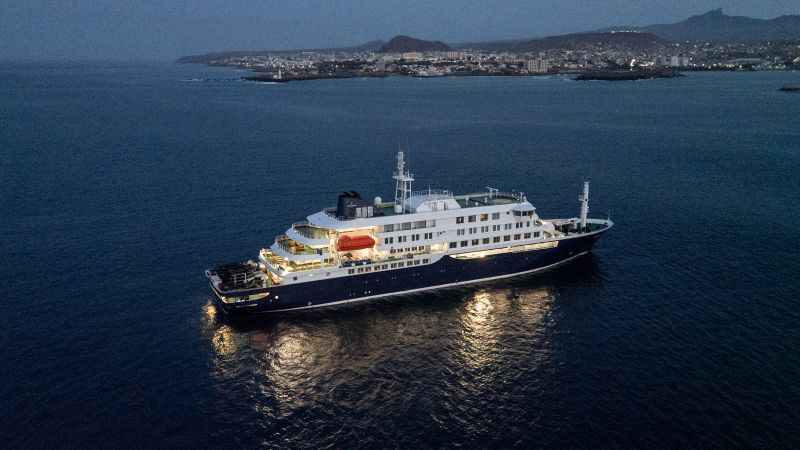
US Allocates $750,000 to Rescue American from Hantavirus-Affected Cruise Ship on Remote Island
US puts up 750K to evacuate – The U.S. government has allocated $750,000 to charter a private yacht for the evacuation of a single American citizen stranded on Pitcairn Island, a remote British territory in the South Pacific. This decision follows the individual’s exposure to a hantavirus outbreak on the Dutch cruise ship MV Hondius, which occurred in April. The costly operation highlights the ongoing challenges faced by the State Department in managing emergency evacuations, particularly as the budget for unforeseen crises reaches its lowest level in seven years.
Evacuation Process and Medical Concerns
The woman, who had boarded the MV Hondius and later disembarked in San Francisco, was transferred to Pitcairn Island via Tahiti. According to two U.S. officials and an internal government document obtained by The Associated Press, the woman’s presence on the ship raised concerns due to the hantavirus outbreak that left several passengers ill and at least three fatalities. Despite her initial departure from the cruise vessel, she remained stranded on Pitcairn for weeks due to logistical hurdles.
“When an American is at risk abroad and unable to access commercial transportation, the Department of State seeks to provide appropriate assistance to get them home to the United States or to another safe location.”
The State Department’s intervention was necessary after British authorities sought American help to transport her. However, initial efforts to send her to Tahiti, a French dependency, were met with resistance. French Polynesian officials rejected her transit because she had not disclosed her potential exposure to the virus during her arrival on the island.
Financial Strain on the K Fund
The evacuation, costing $750,000, has further stretched the State Department’s emergency budget, known as the “K Fund.” This fund, designed to cover unexpected crises, has been depleted due to a series of rapid evacuations for diplomats and private citizens from the Middle East since the Iran war began. Officials noted that the current balance is the lowest in seven years, forcing the department to consider reallocating funds from other accounts.
According to an internal document confirmed by the officials, the State Department is exploring a $50 million transfer to the K Fund. This would come from the embassy security, construction, and maintenance budget—$35 million—and an additional $15 million from funds supporting broader diplomatic initiatives. While no final decision has been made on these transfers, the officials emphasized that the department remains capable of managing both ongoing and emerging contingencies.
Logistical Challenges and Final Arrangements
The woman, who was not showing symptoms at the time, is now being transported from Pitcairn to Easter Island, another remote Pacific location. Easter Island, a Chilean territory, offers direct flights to Santiago, enabling her to return to the U.S. for any required medical treatment. The journey required weeks of coordination, as officials worked to secure the necessary maritime resources and navigate the complexities of international transit.
Pitcairn Island, with its population of approximately 50 residents, presents unique challenges. Its lack of an airport and limited maritime options makes evacuations particularly difficult. The island is famously linked to the 1789 mutiny on the HMS Bounty, where Fletcher Christian and other British sailors fled after overthrowing Captain William Bligh. The descendants of these mutineers form the island’s current population, adding a historical layer to the evacuation efforts.
Broader Implications for U.S. Emergency Response
The incident underscores the financial and operational pressures on the State Department’s emergency preparedness. Officials have stressed that the K Fund, while under strain, is still sufficient to address critical needs. However, the cost of this evacuation, combined with previous expenses, has raised questions about the department’s capacity to handle future crises. The woman’s case also highlights the importance of transparency in medical disclosures during international travel.
Although the woman’s health status is not immediately critical, the State Department’s commitment to her safety reflects its broader mission to protect American citizens abroad. The department has not yet commented on the specifics of her case, but officials remain confident in their ability to manage both ongoing and potential emergencies, including outbreaks such as Ebola in Africa.
International Cooperation and Evacuation Routes
The evacuation from Pitcairn to Easter Island involved collaboration between the U.S. and Chilean authorities. The route, spanning approximately 1,400 miles (2,253 km), required careful planning due to the island’s isolation. The decision to use a private yacht, specifically the “Titaina Explorer” trimaran owned by a wealthy individual, was a strategic move to expedite the process and avoid delays.
The MV Hondius, which had continued its itinerary to other South Atlantic destinations after the woman’s departure, saw further complications. Some passengers who had not been on the ship during the outbreak later fell ill, emphasizing the virus’s persistent threat. The U.S. government’s swift action to rescue the individual demonstrates its prioritization of medical emergencies, even in the face of budgetary constraints.
As the State Department assesses the full cost of the operation, the focus remains on ensuring that U.S. citizens receive timely assistance in crises. The K Fund’s depletion has prompted discussions about reallocating resources, with officials acknowledging the need for flexibility in funding. This case serves as a reminder of the complexities involved in international evacuations, where timing, geography, and diplomatic relations play critical roles in determining outcomes.
