
She spent 20 months battling to die under a euthanasia law. On Thursday, Spain let her
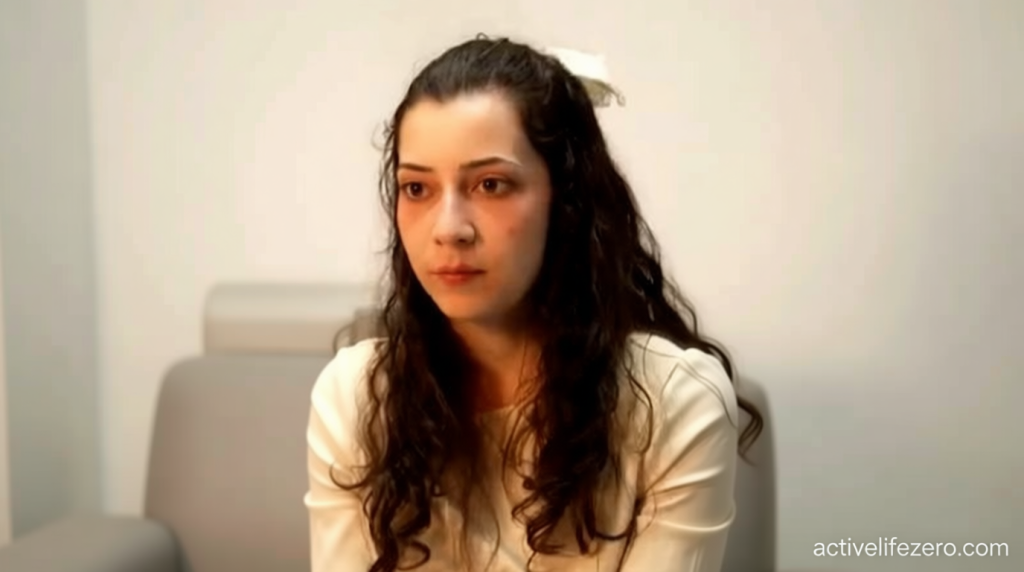
She spent 20 months battling to die under a euthanasia law. On Thursday, Spain let her
EDITOR’S NOTE: This story involves discussion about suicide that some readers may find upsetting. If you feel you are in crisis, call or text 988 to reach the 24-hour Suicide Crisis Lifeline.
The Turning Point
Noelia Castillo’s journey to ending her life began with a decision rooted in enduring hardship. At 25, she finally achieved what she had fought for: a peaceful conclusion to her suffering. Her case, which unfolded over 20 months, became a focal point of national discourse in Spain after she shared her story in a pre-death interview.
Roots of Suffering
Castillo described her pain as both physical and emotional, a burden that led her to seek euthanasia in 2024. Her interview on the Spanish channel Antena 3 revealed a history of turmoil, starting with her parents’ divorce when she was 13. She spent time in a supervised facility and was diagnosed with Obsessive-Compulsive Disorder and Borderline Personality Disorder.
She recounted three instances of sexual abuse: one by an ex-partner, another in a nightclub where two men allegedly raped her, and a third in a bar involving three young men. None were reported, and the cumulative trauma contributed to her mental and physical decline.
The Legal Battle
Castillo’s euthanasia was performed at the Sant Pere de Ribes hospital. Assisted suicide has been permitted in Spain since June 2021, but her path to approval was far from straightforward. Her family, particularly her father, opposed the process, arguing her capacity to choose death was questionable.
The Catalonia Guarantee and Evaluation Commission approved her request on July 18, 2024, citing a “nonrecoverable clinical situation” that left her with severe dependence, chronic pain, and disabling suffering. This decision was upheld through multiple judicial levels, including the Barcelona court, Catalonia’s High Court of Justice, and the European Court of Human Rights.
A Father’s Conflict
In August 2024, Castillo’s father, influenced by the ultraconservative Christian Lawyers group, launched a legal challenge to block her choice. He believed she was not fully capable of making such a decision. “He has not respected my decision and he never will,” she stated about her father.
Castillo felt estranged from her father, who she said ignored her. “Why does he want me alive? To keep me in a hospital?” she questioned. The battle, though prolonged, ultimately secured her right to die as she had desired.
Final Moments
Castillo bid farewell to her family, requesting solitude in her final hours. “I don’t want anyone inside” her room, she said, determined to avoid being witnessed as she closed her eyes. “I can’t take this family anymore, I can’t take the pain anymore, I can’t take everything that torments me in my head,” she reflected.
“I want to leave in peace already and stop suffering, period,” Castillo said days before her death.
“I finally did it, and now maybe I can finally rest,” she told the Antena 3 journalist.
