
Germany is aging and shrinking much faster than expected
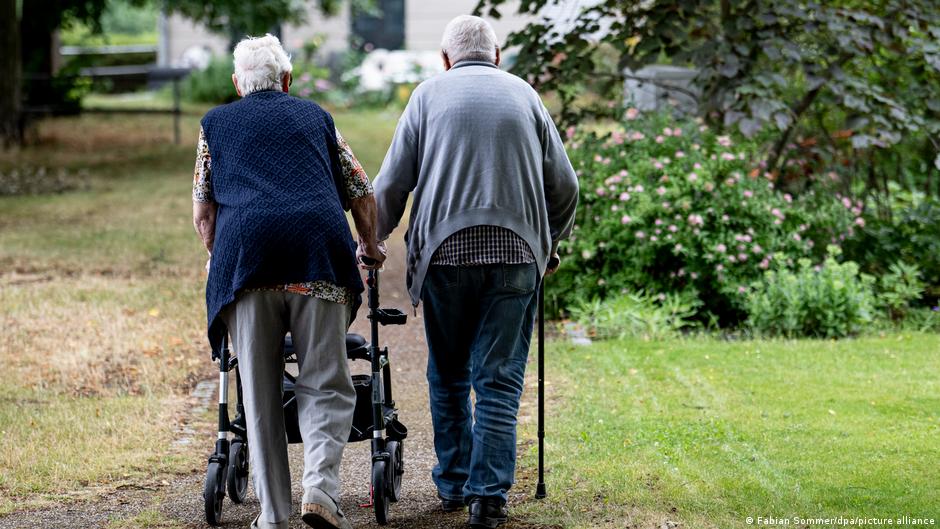
Germany is aging and shrinking much faster than expected
The latest demographic forecasts reveal an alarming trend: Germany’s population is expected to contract sharply. A key factor driving this decline is the low birth rate, which continues to fall below replacement levels. Even with increased immigration, the country may not reverse this demographic shift. The figure 1.35, representing the average number of children per woman, has become a warning sign for policymakers. This historic low, far below the 2.1 needed to maintain population stability, highlights the urgency of the crisis.
According to the most recent data from the Federal Statistical Office, Germany recorded approximately 650,000 births in 2025, a decrease from 677,000 the previous year. Simultaneously, around one million people passed away during the same period. By the end of 2025, the population had dropped to 83.5 million, marking a loss of 100,000 individuals compared to the end of 2024. Despite this, maintaining family life remains a priority for many, as noted by C. Katharina Spiess, director of the Federal Institute for Population Research.
“People still want children,” Spiess observed during a Berlin demographic report presentation. “The real question is why they aren’t having them?” She further explained that if the childbearing aspirations of 19 to 29-year-olds were fully realized, Germany’s birth rate could rise to 2.4. However, persistent uncertainties have made it difficult for individuals to act on those desires.
The Federal Statistical Office regularly updates population projections to guide long-term planning. These forecasts, now extended to 2070, show a 10% population decline. Unlike earlier estimates, the current analysis confirms that immigration alone cannot counteract the trend. A smaller population, while not inherently problematic, creates significant challenges as the proportion of elderly individuals grows rapidly.
Demographic Challenges and Systemic Strains
With fewer children and a shrinking youth population, the number of people aged 65 and older is projected to surge. Karsten Lummer, head of the Population Department, emphasized that the retirement generation—those born in the 1960s—is now entering old age. “Today, there are 33 retirees for every 100 working-age individuals,” he stated. By 2035, roughly a quarter of the population will be over 67, and by 2050, the count of those aged 80 and above could increase from 6.1 million to nearly 9 million.
This demographic shift is straining Germany’s social infrastructure. Joachim Ragnitz, an economist at the ifo Institute, warned that the aging population must already influence long-term political decisions, such as healthcare and elder care policies. “The pension system is under severe pressure,” he added, “as the workforce dwindles and the number of retirees expands.”
Lummer described the situation as a mismatch between reality and policy. “We have a low birth rate, but a social system designed for a high one,” he said. The growing need for care among the elderly—currently about 40% of those over 80 require assistance—will further intensify demands on the workforce. Presently, 280,000 people work in outpatient elder care, but this number could climb to 690,000 by 2049.
To access this video, ensure JavaScript is enabled in your browser. For further insights, the Federal Statistical Office’s projections underscore the complexity of Germany’s demographic challenges. As the crisis deepens, the question remains: how will the nation adapt to a future defined by aging and shrinking populations?
