
Ethnic Serbs fear impact of Kosovo’s Law on Foreigners
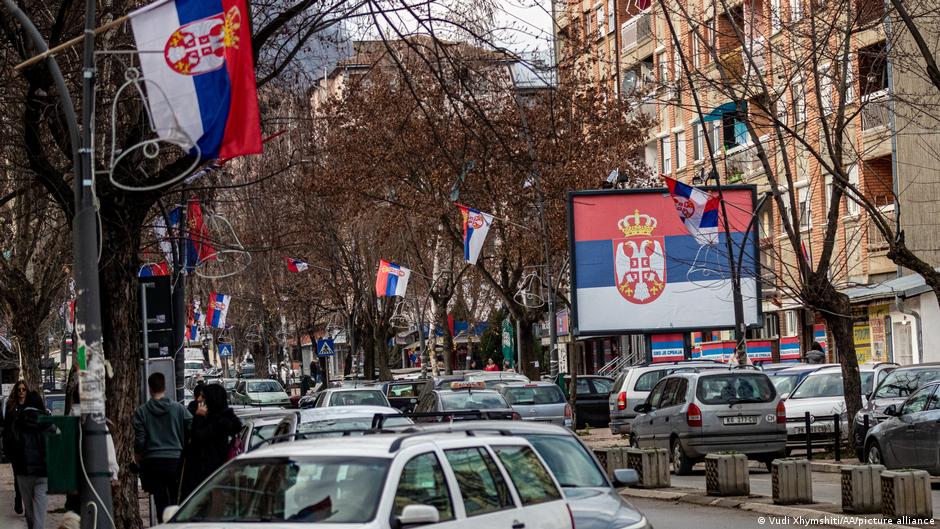
Ethnic Serbs fear impact of Kosovo’s Law on Foreigners
Kosovo Serbs who hold Serbian passports are worried that the enforcement of the country’s Law on Foreigners starting March 15 will treat them as non-citizens. This could impose significant limitations on their daily lives, raising concerns about their status in their own homeland. Despite Kosovo’s independence from Serbia nearly two decades ago, disagreements persist. Countries like Serbia, five EU members, and major economies including India, Brazil, and Indonesia still do not officially recognize the nation, while Russia and China support Serbia’s stance.
Within Kosovo, tensions revolve around the ethnic-Serb minority. Their population is estimated at approximately 100,000, though exact figures are hard to determine due to boycotts of the census by some Serbs. Over the years, this group has been shrinking alongside the ethnic-Albanian majority, as many have left for better opportunities. Now, remaining Serbs warn that departure may become mandatory, not optional, if the law proceeds as planned.
Kosovo’s government claims the Law on Foreigners is a standard process to verify residents’ legal status, akin to practices in European nations. Interior Minister Xhelal Svecla highlighted this in a social media video, stating,
“Those who reside in Kosovo must simply regulate their status, as is the case in every European country.”
However, many Kosovo Serbs believe the law targets them specifically. They argue it could strip them of their rights or force them to relocate permanently.
The law requires foreigners to register with police as visitors. Kosovo Serbs worry that this applies to those without local documents, including long-term residents. Additionally, the “90 in 180” rule limits foreign stays to three months every six months. Similar constraints affect Serbian-registered vehicles, complicating travel for thousands. Svecla insists the legislation is not new, having been in place since 2013. He emphasizes that the only change is consistent enforcement, which has been delayed twice.
Despite his reassurances, challenges for Serbs persist. Jovana Radosavljevic, director of New Social Initiative, notes that many struggle to obtain Kosovo documents or citizenship.
“People cannot meet these requests coming in from the Kosovo administration,” she said. “If you apply for a citizenship, you need to submit a copy of a passport, and Kosovo doesn’t recognize the [Serbian] passports.”
Radosavljevic’s organization, based in northern Mitrovica, aims to bridge ethnic divides but now focuses on the law’s potential to displace Serbs. The legislation is part of a broader trend of policies affecting the community since Prime Minister Albin Kurti’s nationalist Vetevendosje party took power in 2021. Measures include banning Serbian currency and closing health centers in Serb-majority areas, which authorities label as parallel structures.
