
Pistachio production: Spain goes nutty for the snack that’s become a food sector staple
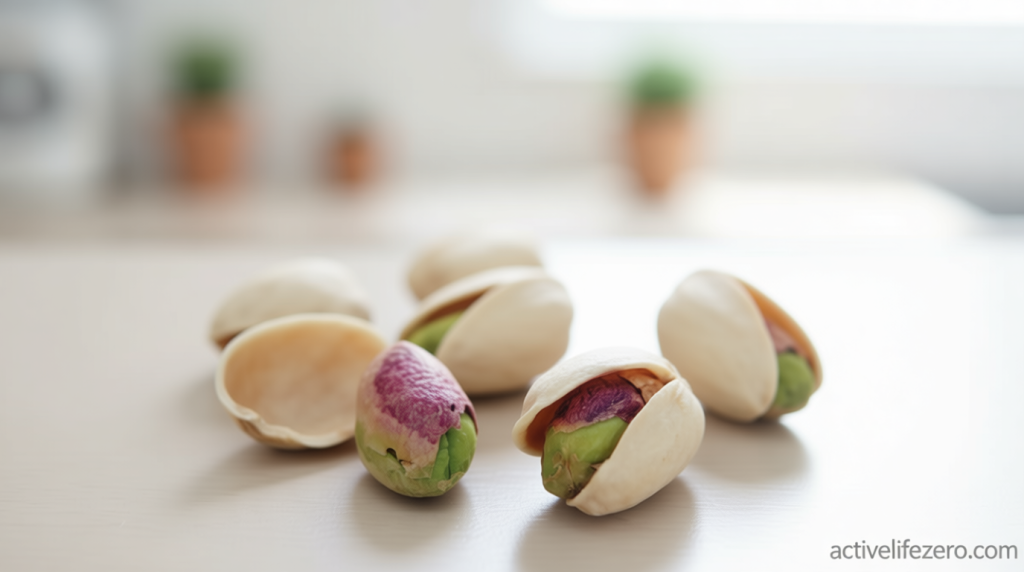
Spain’s Pistachio Boom: A Global Food Industry Shift
Spain’s food market has seen a surge in pistachio-containing products, a trend that has caught the attention of consumers and businesses alike. Once a niche item, this small, greenish seed has become a dominant force in the market, reshaping supply chains and consumer preferences. The nation’s harvest this season is projected to reach nearly 42,400 tonnes, a stark contrast to the 8,200 tonnes recorded in 2018.
The Industry’s Evolving Strategy
The industry’s current emphasis is shifting from raw sales to processed goods. Companies like Víridi Horizons have realized that transforming pistachios offers greater value than selling them in their unprocessed form. Spain’s current utilization of 10% of its production in industrial ingredients highlights untapped potential, particularly in markets like pistachio paste, which Italy has long dominated through imported goods.
“The pistachio is helping to retain the population in rural areas, and immigrant labor is a key part of this chain,” says the manager of Pistachyde, a company in Tembleque, Toledo, which oversees the entire process from farm to retail.
Global Market Dynamics
Meanwhile, international markets have experienced a paradoxical situation. California’s record-breaking 2025 yield, 44% higher than the prior year, failed to lower prices. Instead, pistachio prices surpassed $9,000 per tonne, with a 30–35% increase within a single year. U.S. exporters’ strategy of stockpiling and prioritizing long-term clients accounts for this stability, even as global demand surges.
Compounding this was the frost damage that devastated 70% of Turkey’s harvest in 2025, alongside significant losses in Iran, two major global producers. The resulting price pressures were passed on to countries like Italy, where 88% of consumed pistachios originate from abroad, primarily the U.S., Spain, and Iran.
Cultural Catalysts
A key driver behind this trend is a cultural shift: Dubai’s rise in pistachio-based chocolate bars. These products, filled with pistachio cream and kadaif paste, gained viral traction on social networks and now line shelves in supermarkets worldwide. This phenomenon signals a broader transformation, as pistachios move from being a discreet, premium snack to a versatile ingredient in yoghurts, biscuits, ice cream, cheesecakes, and countless processed foods.
The global market for pistachios is expanding rapidly, nearing $5.5 billion and expected to surpass $7 billion by 2031. Analysts attribute much of this growth to the rise of organic, single-origin, and premium-certified products. In Italy alone, the retail sector moves over 5,000 tonnes annually, valued at more than 120 million euros. Shelled pistachios saw a 7% increase in 2025, while processed items with pistachios as an ingredient grew by 5.5% in a year, with over 730 product references now available in supermarkets.
A Nut That’s Replacing Its Own Role
Once merely a snack, pistachios are now a critical raw material in global food production. Their versatility and growing demand have turned them into a strategic asset for industries across multiple continents, fueling competition and innovation. Spain’s contribution to this shift underscores its evolving position in the sector, from a regional player to a key supplier in an increasingly dynamic market.
