
What the Cracker Barrel rage spiral was actually about
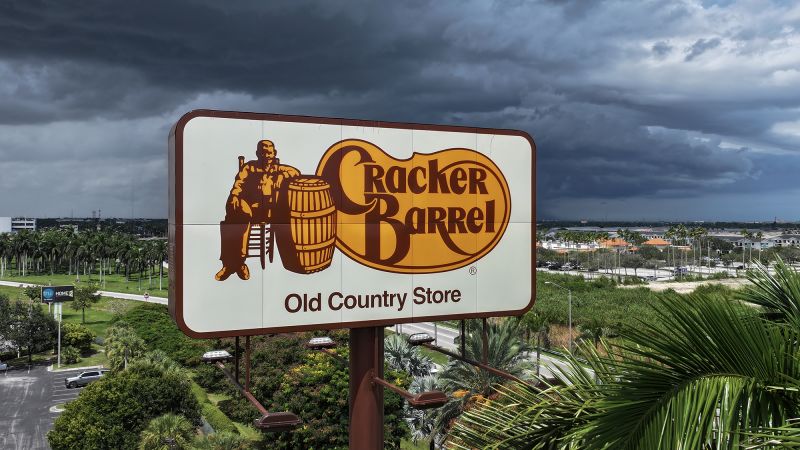
Cracker Barrel’s CEO Departure Reveals Deeper Culture War Dynamics
A Security Detail That Tells a Story
Activelifezero.com – When Cracker Barrel announced last week that Julie Masino would be departing as chief executive, one particular detail stood out: she is leaving with company-paid security personnel still assigned to her. This protective measure originated from the public outburst that erupted over the restaurant chain’s rebranding effort the previous year. Consider this for a moment. The head of Cracker Barrel — yes, that same Cracker Barrel — requires additional security because internet users mobilized against the corporation over something as seemingly minor as a logo modification.
This situation exemplifies the heightened emotional climate of contemporary America. An executive who had previously operated largely unnoticed became the focus of intense online hostility simply for attempting to revitalize a struggling chicken and biscuits establishment. In our increasingly digital society, what should have been a routine corporate rebranding was transformed into evidence that progressive forces were dismantling a cherished American visual identity.
Why Brands Become Scapegoats
Americans harbor frustration regarding economic conditions and political developments. However, these larger forces often feel beyond individual control. Consequently, virtually any entity can serve as a vessel for public anger, even when that entity has done nothing to directly harm ordinary citizens. Consider the woman who received death threats after being filmed with her employer at a Coldplay performance — an entirely unrelated incident that nonetheless generated massive outrage.
Major corporations, which remain highly attuned to public sentiment, have emerged as convenient targets for collective frustration. It requires considerably less effort to accumulate social media engagement by complaining about a corporate logo than it does to participate in housing construction. Consumers enter into frenzies over Cracker Barrel’s emblem modification, Bud Light’s social media collaboration with a transgender influencer, and Target’s decision to modify its diversity initiatives.
“It gives the public a sense of agency,” noted Alison Taylor, a clinical associate professor of business and society at NYU’s Stern Business School. “A brand is more likely to respond to stakeholder demands and pressure, more quickly, than a member of Congress.”
The Woke Backlash and Cracker Barrel’s Real Problems
Corporate involvement in social issues began accelerating during the early 2010s, with companies establishing positions on environmental concerns, racial disparities, and LGBTQ+ rights. Organizations were accused of becoming “woke” through the hiring of diversity officers, commitments to reducing carbon footprints, and sponsorship of Pride celebrations — though many of these efforts proved more theatrical than substantive. Tractor Supply and John Deere, for instance, were characterized as left-wing champions by certain commentators.
An opposition movement emerged on the right, prompting corporations to retreat from their social commitments as Donald Trump returned to the presidency. Cracker Barrel found itself caught in this crossfire. The manufactured controversy was amplified by professional conservative agitators including Robby Starbuck, Benny Johnson, and a prominent investor in MAGA-favored Steak n’ Shake.
Ironically, many of the same individuals expressing fury over a logo modification had likely forgotten Cracker Barrel’s existence entirely. Masino’s appointment as CEO in 2023 addressed a critical need: the company desperately required customers beneath the age of sixty-five. Its elderly clientele had either ceased dining out or passed away during the pandemic, while remaining older patrons showed reluctance about returning to restaurants.
Business Reality vs. Cultural Performance
By the time Masino assumed leadership, Cracker Barrel was losing ground to competitors such as Chili’s and Texas Roadhouse. “We’re just not as relevant as we once were,” she acknowledged shortly after taking the helm. Her approach mirrored standard restaurant recovery strategies: updating dining spaces and modifying menu offerings. Early indicators suggested these efforts were succeeding, with the company reporting four consecutive quarters of revenue expansion.
Then came August of last year, when Cracker Barrel introduced its new visual identity. The updated design featured a streamlined logo, eliminating both the namesake barrel and the traditional “old-timer” character — modifications that would typically pass without significant attention. However, the timing proved unfortunate.
“It’s not about this particular restaurant chain — who cares — but about creating massive pressure against companies that are considering any move that might appear to be ‘wokification,'” conservative activist Christopher Rufo stated on X during the controversy.
What constituted Cracker Barrel’s alleged “radical left-wing politics” and “DEI regime”? A Facebook message supporting Pride month and standard employee resource groups designed for the thirty percent of the workforce comprising minority employees. Within a matter of days, the company reversed its position, restoring the “Old Timer” emblem and abandoning restaurant renovation plans.
The reversal was celebrated as “a BIG win in the culture war for America” by one right-wing commentator. Masino embarked on a public relations campaign, appearing on Glenn Beck’s podcast in November for what the program promoted as a “vulnerable tell-all.” Her message centered on listening to customers and understanding their concerns, even when those concerns seemed disproportionate to the actual issue at hand.
The situation illustrates how corporate America has become entangled in cultural battles that extend far beyond business fundamentals. When a CEO requires security protection over a logo change, it signals something deeper about American society — where brands serve as proxies for larger conflicts, and where performing cultural alignment sometimes matters more than actual operational success.
Related Reading
Frequently Asked Questions
What is What the Cracker Barrel rage spiral?
What the Cracker Barrel rage spiral is the main topic of this guide. The article explains the context, practical details, and next steps readers should understand.
Why does What the Cracker Barrel rage spiral matter?
What the Cracker Barrel rage spiral matters because readers are looking for a useful answer, not just a short summary. Good content should match search intent and help them decide what to do next.
