
Walmart is lowering prices on summer BBQ items. Trump says it’s because of him
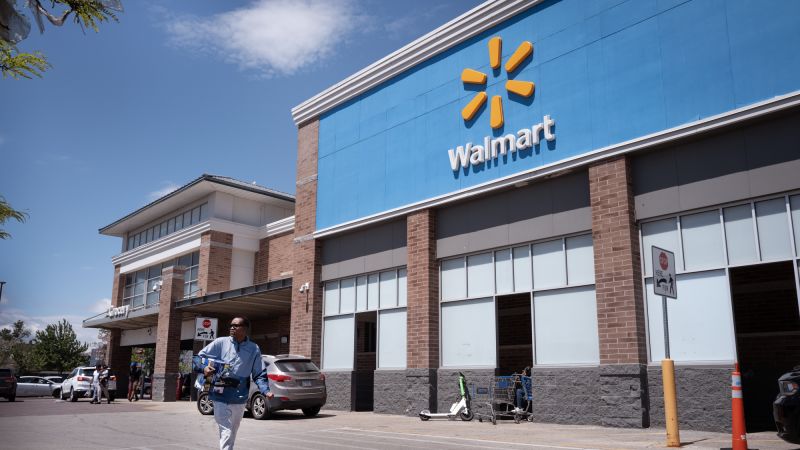
Walmart Announces Summer BBQ Price Cuts, Trump Claims Credit
Walmart is lowering prices on summer – As summer approaches, Walmart has launched a promotional event featuring reduced prices on popular barbecue essentials, such as ground beef, ribs, and soda. The nation’s largest grocery chain emphasized the discounts in a recent press release, detailing the availability of these items at its stores and Sam’s Club locations. However, the move has sparked a political statement from former President Donald Trump, who asserts that his administration’s influence is behind the cost reductions, tying them to the country’s 250th anniversary. This claim has drawn mixed reactions, as the sale appears to be a routine seasonal offering rather than a direct policy outcome.
Trump’s Political Claim: A Seasonal Discount as a National Achievement
Trump, who frequently links economic trends to his leadership, posted on Truth Social on Monday, asserting that Walmart’s price drops were initiated at his request. The post claimed that the company had applied a 15% discount on beef, a significant reduction he framed as a celebration of America’s bicentennial. “This is a huge deal for the many millions of Americans who, smartly, shop at Walmart, which is a truly patriotic company who loves the U.S.A.,” he wrote. While the message highlights consumer benefits, critics argue that such discounts are standard for the season and not unique to his presidency.
“Walmart lowered prices at my Administration’s request to celebrate our great Country’s 250th birthday.”
Trump’s claim coincides with his broader narrative about economic achievements, which includes assertions that his policies have driven down costs for everyday goods. This argument mirrors previous statements he made regarding Walmart’s Thanksgiving baskets, where he claimed that the 2025 offering was cheaper due to his term’s impact on grocery prices. However, the 2025 Thanksgiving basket had fewer items and included more products from Walmart’s Great Value brand, a detail often overlooked in his public remarks.
Seasonal Sales: A Regular Occurrence, Not a Political Victory
Walmart’s summer sales are part of its standard practice, with the company rolling back prices on seasonal produce and pantry staples to attract shoppers. For instance, corn on the cob and cherries, which are in peak season, are now discounted by about 50%. Similarly, 24-pack sodas from Pepsi and Coca-Cola are available for $9.97, and 200-count paper plates are a dollar cheaper. These promotions had already been active for a week before Trump’s social media post, according to a Texas Walmart Facebook page, which noted similar discounts during last summer’s sales.
Sam’s Club, Walmart’s wholesale division, is also participating in the summer clearance, offering markdowns on 250 items, including various cuts of meat like chicken wings, beef hot dogs, and ribs. The timing of these discounts aligns with typical consumer behavior, as many people prepare for summer gatherings in late June and July. While Trump has tied these cuts to his administration, Walmart has not publicly acknowledged his claim. The company’s press release highlights the practicality of seasonal pricing, which is often driven by supply and demand dynamics rather than political decisions.
Context: Grocery Prices and Inflation Trends
The broader context of grocery inflation provides additional insight into Walmart’s price adjustments. According to recent data, grocery prices have increased by 2.7% over the past year, a rate lower than the overall inflation of 4.2% but still notable. This trend contrasts with the stability seen in some items, like cherries, which have maintained prices similar to last year, as reported by the USDA. The agency noted that July 4th prices for cherries were consistent with the previous year, despite other commodities experiencing significant rises.
Beef prices, for example, have surged to a record high of $9.64 per pound in April, up 13% from the previous year. This increase is attributed to the nation’s smallest cattle herd in 75 years, driven by prolonged droughts that have affected livestock production. Meanwhile, tomatoes have seen steep price hikes due to a harsh winter, rising tariffs, and higher diesel costs. These factors underscore the complexity of the food industry, where supply chain issues and weather patterns can create unpredictable price fluctuations.
Despite the seasonal nature of these discounts, Trump’s assertion that his policies have directly influenced the price cuts has been criticized as lacking nuance. His comments echo earlier claims that Walmart’s Thanksgiving baskets were cheaper under his administration, a claim that was later challenged by data showing the baskets contained fewer items and relied more on Walmart’s own store-brand products. The former president’s approach to framing routine sales as political victories has become a recurring theme, particularly in his efforts to highlight economic improvements during his term.
Consumer Sentiment and Political Criticism
As Walmart’s summer sales continue, the timing has coincided with a period of growing public dissatisfaction with Trump’s economic policies. A CNN poll conducted by SSRS revealed that 77% of respondents believed his policies had raised the cost of living in their communities, with a majority of Republicans also expressing concern. This sentiment reflects broader challenges in the U.S. economy, where inflation has remained stubborn despite recent trends in grocery pricing.
While the grocery sector has experienced slower inflation compared to other industries, the 2.7% rise is still more than double the rate from two years ago. This discrepancy highlights the uneven nature of inflation, with some categories seeing sharp increases while others remain stable. For instance, the cost of beef has risen significantly, yet cherries have maintained their prices, illustrating the varied pressures affecting different products.
Walmart’s summer price adjustments, therefore, are part of a larger economic landscape. The company’s strategy to offer discounts on seasonal items aligns with its goal to remain competitive during peak shopping periods. However, Trump’s claim that these cuts are a result of his administration’s efforts has been met with skepticism, as the sales are consistent with previous years’ patterns. The former president’s tendency to attribute routine business decisions to his policies has become a hallmark of his communication style, often overshadowing the actual factors driving market changes.
In the absence of direct comments from Walmart, the company’s actions speak for themselves. The summer sale is a calculated move to meet consumer demand while maintaining profitability. By reducing prices on popular barbecue staples, Walmart aims to boost sales and support its customers’ seasonal needs. The fact that these items were already discounted before Trump’s post suggests that the timing of his claim may have been opportunistic rather than factual.
As the debate over the sale’s origins continues, the focus remains on the practical benefits for shoppers. Whether the price reductions are a result of political pressure or a standard business strategy, consumers are the primary beneficiaries. With summer activities on the horizon, the availability of affordable ingredients for barbecues and pool parties has become a key point of interest. The rollout of these discounts, however, serves as a reminder of the intricate relationship between corporate decisions and political narratives in shaping public perception of economic performance.
