
US could owe over €110bn in tariff refunds after court rejects Trump delay
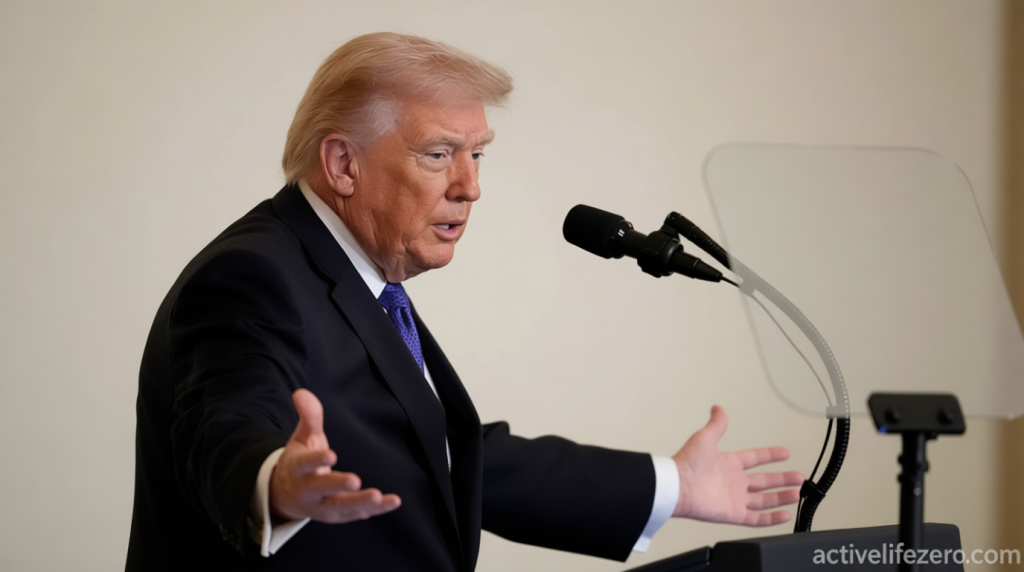
US Faces Over €110 Billion in Tariff Refunds After Court Dismisses Trump Delay
The potential for over €110 billion in duty refunds has emerged following a US appeals court’s decision to fast-track the resolution of claims against President Donald Trump’s trade policies. This comes after the Supreme Court’s landmark 6–3 ruling on February 20 invalidated key tariffs under the International Emergency Economic Powers Act (IEEPA) of 1977, casting doubt on the legality of the measures. The Court of Appeals for the Federal Circuit in Washington recently expedited the case, rejecting the Justice Department’s appeal for a four-month delay to allow the administration to reassess its approach.
Supreme Court Ruling and Legal Implications
The Supreme Court’s decision concluded that the IEEPA does not authorize the president to unilaterally impose tariffs, effectively nullifying the 10% reciprocal duties on goods from nearly all US trade partners. These duties, which were part of a broader 2025 trade strategy, also included elevated rates for perceived trade imbalances and targeted tariffs such as 25% on select Canadian and Mexican imports, and 10% on Chinese goods. The reciprocal tariffs were suspended immediately on February 24, halting collections.
Wave of Litigation and Importer Claims
The ruling has triggered a surge in legal challenges, with over 2,000 importers already submitting cases at the US Court of International Trade (CIT). This litigation wave includes “tag-along” actions, where businesses transfer pending lawsuits between courts to avoid missing statutory deadlines. Under US customs rules, importers have 180 days from the liquidation of their entries to protest duties. The initial challenge came from a small business, Learning Resources, but major firms like FedEx, Revlon, Costco, and Reebok have since joined, complicating the process.
Lawyers report intense activity as companies scramble to safeguard their claims, with many entries already settled. The CIT now faces the task of setting up a comprehensive framework for what could be the largest tariff refund initiative in US history. While the administration has indicated willingness to issue refunds if tariffs are repealed, President Trump warned the process might take years, possibly up to five.
EU Benefits and Financial Impact
The European Union has seen indirect advantages from the ruling, though no automatic financial compensation is forthcoming. EU exports were subject to the now-cancelled reciprocal IEEPA tariffs, which increased costs for American buyers of European machinery, chemicals, vehicles, and luxury goods. With those tariffs revoked, EU firms face immediate cost relief. However, any refunds will be directed solely to US importers who paid the duties, not to EU companies, governments, or suppliers. European businesses that absorbed costs or lost sales during the tariff period must rely on US importers to pass on savings through lower prices or better terms.
The European Commission praised the Supreme Court’s decision as a “welcome affirmation of checks and balances and the rule of law,” while emphasizing the need for clarity in transatlantic trade. The European Parliament’s research service highlighted the ruling’s broader significance, even as it noted the absence of immediate guidance on refund mechanisms. Fresh challenges remain, as the administration quickly imposed a new 10% tariff under Section 122 of the Trade Act of 1974, hinting at possible increases to 15% for 150 days. Certain sectors, incl…
