
US announces new 25% tariffs on Brazil for ‘unfair’ trade practices
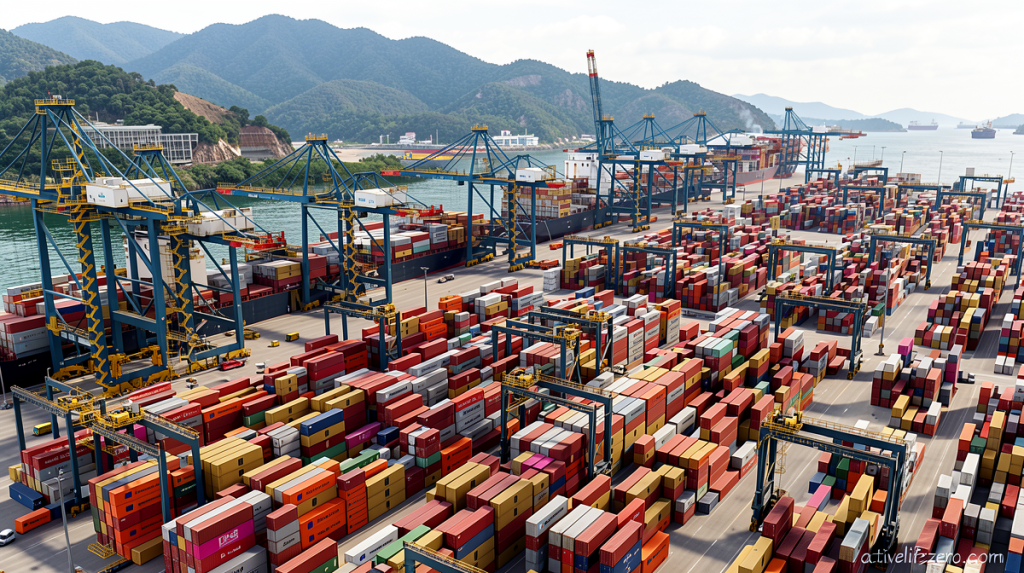
US announces new 25 tariffs on Brazil – The United States plans to impose a 25% tariff on some Brazilian imports from next week, after a yearlong investigation concluded that the country had engaged in “unfair” trade practices. It’s one of the first new tariffs to be imposed since President Donald Trump pledged to restore tariffs following a US Supreme Court ruling that struck down the basis of his import taxes earlier this year. United States Trade Representative (USTR) Jamieson Greer announced the measures against Brazil in a statement late Wednesday, saying the US investigation concluded that Brazilian policies harm the interests of Americans on issues ranging from digital trade and ethanol market access to illegal deforestation.
“President Lula and his government have not negotiated with the US in good faith,” Secretary of State Marco Rubio wrote on X. “His economic policies are bad for Americans and bad for Brazilians. For the past year, Lula has put his own ego ahead of making a deal for the welfare of the Brazilian people, and these tariffs are the price for that.” The tariffs will go into effect on July 22.
Brazilian President Luiz Inácio Lula da Silva said there was “no justification” for the “illegal and arbitrarily imposed tariffs.” He posted on X that Brazil would take countermeasures under its Reciprocity Law, while also seeking a resolution through the World Trade Organization. The tariff will apply to a host of Brazilian products, but will exempt certain major exports including coffee, beef, avocados, Brazil nuts, petroleum oils and aircraft parts, according to a notice published by the Office of the USTR. Greer said the US remains open to continuing negotiations with Brazil to resolve the issues.
The US launched the initial investigation into Brazil last July under Section 301 of the Trade Act of 1974, designed to address foreign practices affecting US commerce and competitiveness. That same month Trump announced a 50% tariff on Brazil –– later dropped –– and accused its government of human rights abuses. Trump had threatened economic measures if Brazil did not end its trial against the right-wing former president Jair Bolsonaro.
Brazil has also been included in a separate Section 301 investigation by the USTR into allegations of forced labor in the supply chains of dozens of countries. That probe, due to conclude next week, is expected to result in an additional 12.5% tariff, which would take Brazil’s tariff burden to 37.5%. Section 301 is most often invoked for countries that run a significant trade surplus with the US like China, which exported $202.1 billion more in goods last year than it imported from the US.
The US goods trade surplus with Brazil was $14.4 billion last year, up 112.8% compared to the year prior. The latest action comes more than a year after Trump announced a battery of tariffs on the US’s trading partners and on key imported goods such as steel and aluminum – raising the country’s effective tariff rate to its highest level since the Great Depression. The tariffs – whether threatened or implemented – sent shockwaves through the global economy, tested relationships with longstanding allies and pushed a handful of countries to strike trade deals with Washington to limit the damage.
But, in February this year, the US Supreme Court dealt a severe blow to the president’s tariff agenda. It ruled that the president had exceeded his authority when invoking emergency powers that had underpinned his most sweeping levies. After the ruling, the administration pivoted to a more complex backup plan — a global 10% tariff that’s set to expire later this month – and launched new Section 301 investigations.
