
Trump is playing with economic fire by calling the peace deal with Iran ‘over’
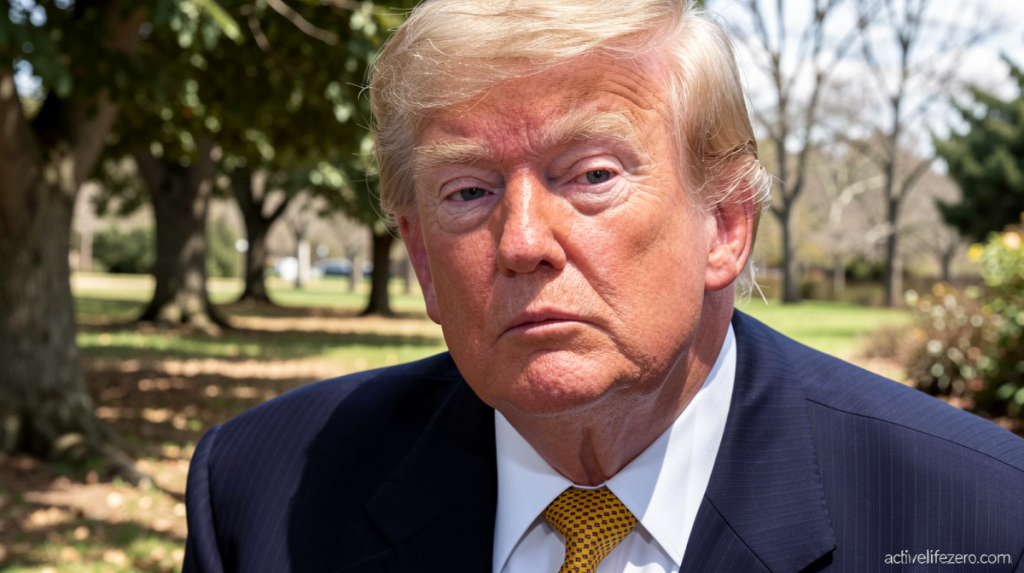
Trump Is Playing With Economic Fire as Iran Deal Hangs in Balance
A Fragile Diplomatic Window
Trump is playing with economic fire by declaring the peace agreement with Iran officially over. President Donald Trump secured a brief reprieve through diplomatic engagement, yet this three-week truce may prove too short for lasting stability. Following the Memorandum of Understanding signed on June 18, financial markets responded with cautious optimism. Crude oil valuations dropped beneath pre-conflict benchmarks while consumers witnessed gradual pump price reductions. The Strait of Hormuz has experienced partial traffic restoration, allowing petroleum products to exit the Persian Gulf after months of stagnation. Nevertheless, this interval represents merely a fraction of what is required to address the most substantial disruption to global energy supplies in recorded history.
Reserve Depletion Raises Stakes
The United States faces mounting pressure to replenish both emergency reserves and commercial holdings. Without adequate restoration, the nation risks confronting what Trump characterized as an “economic catastrophe” — a scenario drawing unfavorable parallels to Herbert Hoover’s tenure during the Great Depression. The Strategic Petroleum Reserve currently holds 319.5 million barrels, representing a 23 percent decline from pre-war figures. This marks the lowest level since the Reagan administration initiated systematic accumulation beginning in 1983. Such depletion leaves the country vulnerable should severe weather patterns emerge or the strait experience complete closure once more. Commercial inventories present equally troubling conditions in Cushing, Oklahoma, where holdings remain beneath 20 million barrels.
Shipping Costs Surge Amid Uncertainty
Market participants continue navigating elevated risk premiums associated with the region. Andy Lipow, who leads Lipow Oil Associates, provided insight into the financial implications of current conditions. Transporting petroleum via tanker from locations outside the strait toward Asian markets requires expenditures ranging between $4 million and $5 million. Conversely, vessels originating within the strait face costs of $8 million to $10 million — essentially doubling transportation expenses. Lipow also noted that approximately 200 million barrels successfully navigated the strait during the three-week period, equivalent to two days of worldwide consumption. However, roughly 60 million barrels of this volume originated from Iran, which the Trump administration reimposed sanctions upon Tuesday.
Market Signals Point to Caution
Brent crude futures traded marginally beneath $78 per barrel, reflecting a 4 percent increase and marking the strongest performance since immediately following the MOU’s execution. Traffic through the strait has stabilized at approximately one-third of historical averages, with Reuters reporting that at least four tankers reversed course earlier today despite attempting passage. Financial markets demonstrated measured responses to these developments. While equity markets showed limited initial reaction, fixed-income investors responded more decisively. The ten-year United States Treasury yield climbed to 4.57 percent, reaching its highest point since late May when oil prices peaked during the conflict and ceasefire prospects appeared uncertain. Trump has consistently demonstrated sensitivity to bond market movements throughout his second presidency.
What Comes Next for Markets
Wednesday brought renewed threats from Trump regarding the possibility of reinstating America’s naval blockade, though commercial vessels continue operating despite heightened risks. The question remains whether this current phase represents a temporary fluctuation or signals a return to comprehensive hostilities. Should the strait close once more, American economic stability could face substantial challenges. The combination of depleted reserves, elevated shipping costs, and limited commercial stockpiles creates a scenario where even minor disruptions could trigger significant consequences. Trump articulated his concerns clearly during a G7 gathering in late June:
“I didn’t want to see economic catastrophe,” Trump said at a G7 meeting in late June. “If you kept this going, that could have happened.”
The coming weeks will determine whether this fragile peace can withstand mounting pressures or if Trump is indeed playing with economic fire once again.
