
Some food prices are rising. See how much the cost of common grocery items has shifted
Some Food Prices Are Rising: What Shoppers Need to Know Now
Activelifezero.com – Some food prices are rising as American families navigate an evolving grocery landscape. After years of unpredictable cost fluctuations, consumers are seeing mixed signals from the market. While certain items have experienced dramatic price movements, recent data suggests that the worst of the inflationary pressure may be easing for many common food products found in American kitchens. Understanding these shifts helps households make smarter purchasing decisions.
Egg Prices Retreat After Notable Surge
One of the most visible price movements in recent memory involved eggs, which experienced a particularly sharp increase in 2025. That spike, driven by a combination of supply chain disruptions and avian influenza affecting poultry flocks, eventually moderated as production recovered and demand patterns adjusted. However, the retreat in egg costs has not been universal across all food categories.
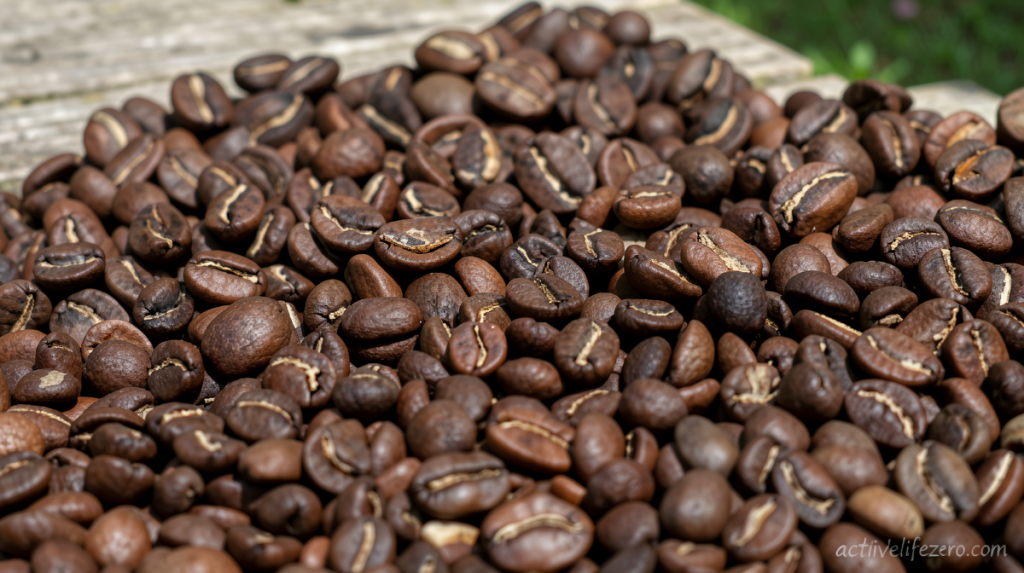
Other protein sources and beverages have continued their upward trajectory. Steak and ground beef have both become noticeably more expensive for consumers, reflecting broader trends in meat production costs, including feed prices and labor expenses. Coffee has similarly climbed in price, influenced by international supply factors and currency fluctuations that affect imported commodities.
Trade Policy Adds Another Layer of Complexity
Government trade decisions have played a measurable role in shaping current price dynamics. The global tariff implementation initiated by the Trump administration last year has contributed to elevated costs for several household staples. These tariffs, designed to protect domestic industries and address trade imbalances, have had the secondary effect of increasing prices for imported goods and certain domestically produced items that rely on foreign inputs.
The cumulative impact of these policy measures, combined with pandemic-era disruptions, has created a pricing environment that differs substantially from pre-2020 conditions.
While some categories have stabilized, others continue to experience periodic volatility that makes budgeting more challenging for families. Shoppers should remain aware that these factors can cause prices to shift unexpectedly in coming months.
Broader Economic Indicators Point to Gradual Recovery
Government economists monitor multiple metrics to assess whether food price increases represent temporary anomalies or sustained trends. One particularly important measure tracks inflation specifically for foods purchased for home consumption, providing a more targeted view than broader economic indicators. This subset of the Consumer Price Index offers insight into how everyday shoppers are experiencing price changes.
The data reveals that food inflation has declined considerably from its pandemic-era peak. Current rates align more closely with historical averages, suggesting that the extreme price pressures of recent years are moderating. This stabilization does not mean prices have returned to previous levels, but rather that the rate of increase has become more predictable and manageable.
What This Means for American Households
The gradual normalization of food prices carries important implications for consumer behavior and financial planning. When prices stabilize, households can make longer-term purchasing decisions with greater confidence. Budget allocations for groceries become more reliable, reducing the need for constant adjustment as prices shift.
However, experts caution that certain categories may remain volatile due to ongoing factors such as weather patterns affecting agricultural production, international trade dynamics, and energy costs that influence transportation and processing expenses. Consumers should expect continued fluctuations in specific product categories even as the overall trend points toward greater stability.
Frequently Asked Questions
Which food items have seen the biggest price increases? Eggs, steak, ground beef, and coffee have all experienced notable price growth in recent months, though the pace varies by category.
Are food prices expected to continue rising? While some food prices are rising, the overall rate of increase has slowed compared to pandemic peaks. Most experts anticipate gradual stabilization rather than sharp spikes.
How do tariffs affect grocery bills? Trade policies implemented by the Trump administration have added costs to imported goods and certain domestic products that depend on foreign inputs, contributing to higher shelf prices.
When will food prices return to normal? Prices have not fully returned to pre-pandemic levels, but the trajectory suggests continued moderation. Consumers should expect gradual improvement rather than immediate reversal.
