
Quills and conflict: How protection in the Strait of Hormuz is bought and sold
A Historic Insurance Hub Responds to Modern Maritime Crisis
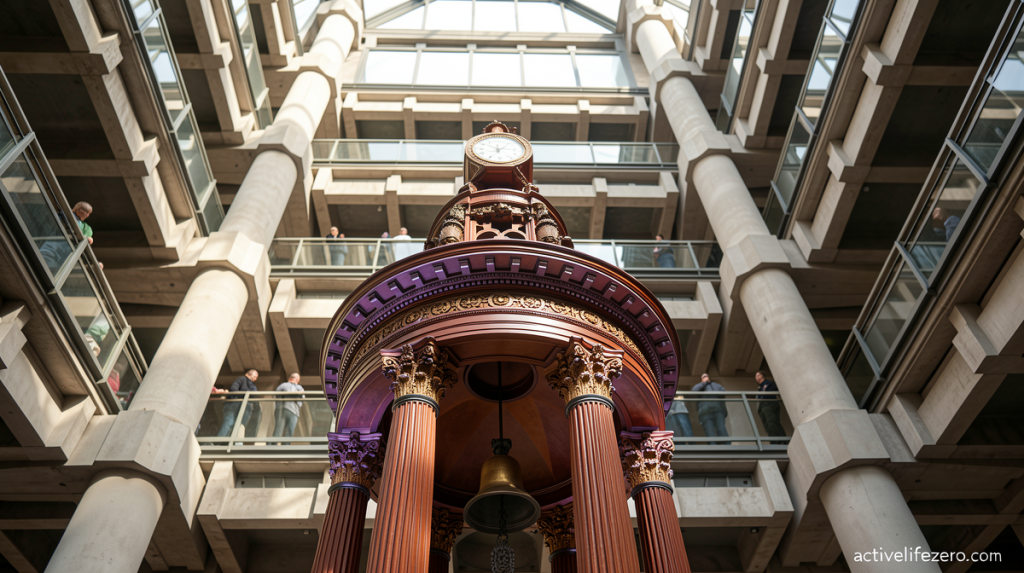
Quills and conflict – Within a sleek, contemporary structure situated in the heart of London, centuries-old traditions continue to thrive. Leather-bound volumes house handwritten accounts documenting ships lost across two and a half centuries. One particular entry chronicles the tragic sinking of the Titanic during April 1912. Even now, more than a century after that famous maritime disaster, staff members called “waiters” still record new entries using traditional quill pens. Lloyd’s of London provided coverage for the legendary vessel at £1 million, which translates to approximately £101.6 million in current values. This institution, often regarded as the unofficial center of worldwide insurance operations, has dominated marine coverage for over three hundred years.
When Tehran imposed a blockade on the Strait of Hormuz on February 28 following coordinated strikes by the United States and Israel, the Lloyd’s market responded with remarkable speed. The risks associated with navigating through this critical waterway increased dramatically overnight, forcing insurance premiums to adjust accordingly. War coverage policies were quickly suspended and then reactivated at substantially elevated rates.
Rapidly Shifting Risk Calculations
David Smith, who leads the marine division at London-based McGill and Partners, explained that underwriters are carefully examining both pricing and individual risk factors after renewed Middle Eastern strikes this week. He told CNN that recent developments in the Strait of Hormuz have altered the risk environment once again, following a period characterized by stability and growing transit volumes.
Marcus Baker, Marsh’s global head of marine and cargo operations, reported that in the immediate wake of the American-Israeli attacks, shipping rates through the strait climbed to as much as 10 percent of a vessel’s total worth, compared to the previous range of 0.25 to 0.5 percent. He calculated that for an oil tanker valued at $100 million, this represents a $10 million journey. Hull war rates, which protect a ship’s physical framework against conflict-related damage or destruction, have subsequently decreased to between 1 and 3 percent of a vessel’s value. Baker also mentioned that certain underwriters are providing “no-claims bonuses,” refunding half the premium to ship owners whose vessels navigate the strait without problems.
Real-Time Policy Management
The Hormuz situation presents considerable challenges for insurance providers. Smith noted that war premiums will mirror geopolitical developments almost hourly. Underwriters covering ships planning to cross Hormuz now aim to set policy prices just six hours before departure, a significant reduction from the standard 24 to 48-hour window. Once established, these policies remain effective for only three to seven days before requiring renegotiation.
Smith shared a particularly vivid example with CNN. A ship owner contacted him one morning requesting coverage for a potential strait crossing later that same day, following instructions from the US Navy. After Smith provided a quote and waited, the owner called back in the afternoon to confirm the voyage and “bind cover,” effectively activating the insurance policy. The critical detail? The vessel was scheduled to enter the strait within six minutes of that confirmation call. Smith remembered shouting at underwriters on the telephone alongside three other brokers. Within ten minutes, the insurance certificate reached the ship’s command deck. Crew members demanded to review the policy personally, wanting assurance that their families would receive compensation if something went wrong during the dangerous passage.
Human and Economic Stakes
Although that particular ship navigated through without incident, dozens of other vessels have faced worse fates. The International Maritime Organization reports that at least 14 seafarers have lost their lives since the conflict started. So far, this year’s Loss Book contains no entries for ships destroyed during the Persian Gulf confrontation. However, Neil Roberts, who heads marine and aviation operations at the Lloyd’s Market Association, an industry trade organization, stated that more than 50 ships have been targeted in the waterway since hostilities began, with many insured through the London market.
While insurance coverage has remained accessible throughout the crisis, most ship owners have chosen to avoid the strait due to attack threats. Lloyd’s does not anticipate massive financial losses for insurers given the industry’s regional exposure. Nevertheless, significant dangers persist, including underwater mines, continuing American-Iranian military actions, and challenges navigating newly established and sometimes restricted routes entering and exiting the strait. Allianz reported last month that approximately 1,150 cargo-carrying ships, representing an estimated combined vessel and cargo value of $125 billion, remain trapped in the Persian Gulf. Should the conflict extend for additional months with vessels continuing to accumulate, a substantial portion could become “to”
