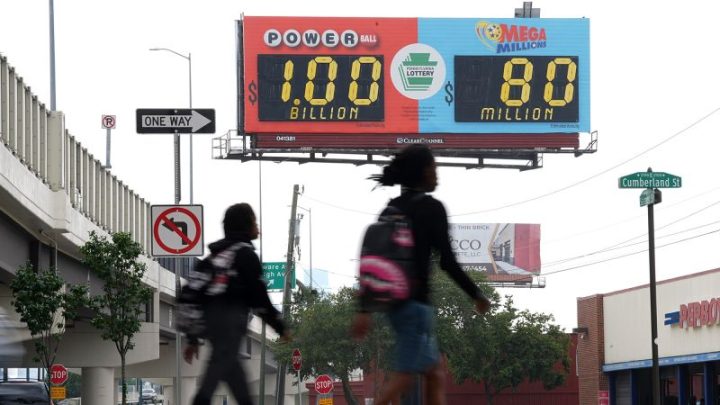
Kevin Warsh has a plan for the Fed. Scott Bessent is getting in the way

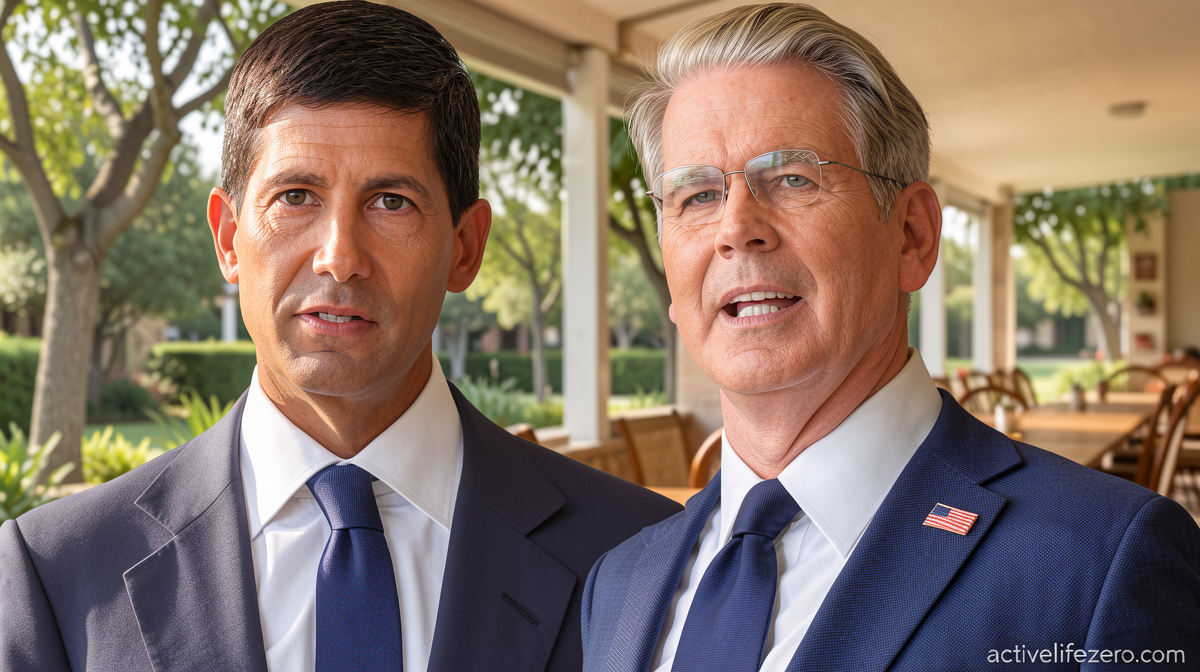
Daftar Isi
Warsh’s Quiet Experiment Collides With Bessent’s Loud Intervention in the Bond Market
Activelifezero.com – The two most powerful voices in American monetary and fiscal policy are pulling in opposite directions, and the bond market is caught in the crossfire. Federal Reserve Chair Kevin Warsh, installed by President Donald Trump, has deliberately withdrawn the central bank’s habit of telegraphing its next move. Treasury Secretary Scott Bessent, Trump’s chief economic architect, has done the exact opposite: he stepped directly into the market to suppress yields. The result is a policy environment in which the very signal Warsh needs to read the economy has been distorted by his own administration’s fiscal chief.
Warsh’s Bet: Let the Data Speak
For decades after the mid-2000s, the Federal Reserve built an elaborate transparency apparatus. Chairmen held regular press conferences, published dot-plot rate projections, and even sat down for television interviews on programs like 60 Minutes. Wall Street grew accustomed to parsing every syllable of Fed communication, treating forward guidance as a roadmap to the next rate decision.
Warsh has dismantled that playbook. He has stopped issuing the kind of forward-looking clues that traders once treated as gospel. His stated rationale is straightforward: if the market stops trying to decode what the Fed “means” by a data release, it will instead react to the data itself. That raw, unfiltered market response, in his view, becomes a cleaner compass for policymakers debating whether to tighten or ease short-term rates.
The intellectual lineage stretches back to the Alan Greenspan era, when the Fed offered scant commentary on its actions. Warsh is attempting to reverse two decades of incremental transparency in a single stroke.
“It’s hard to put the genie back in the bottle,” said Benson Durham, a former Fed official and founder of independent research firm DASM LLC. “Taking back transparency will be really difficult to pull off smoothly.”
Bessent’s Counter-Move: Doubling Treasury Buybacks
Just as Warsh was trying to clear the windshield, Bessent fogged it up. Last week the Treasury Secretary announced a surprise program to at least double the pace of Treasury buybacks. The department framed the action as a technical liquidity measure, a routine tool to keep markets functioning smoothly.
Most analysts saw through that framing. The 30-year Treasury yield had recently climbed to its highest level since 2007, the eve of the Great Financial Crisis. Bessent has long been a vocal advocate for lower long-term borrowing costs, and the timing of the buyback expansion made its true purpose unmistakable to market watchers.
“There is no chaos in the Treasury market. The liquidity argument doesn’t hold,” said Eric Rosengren, former president of the Federal Reserve Bank of Boston. “It looks a lot more like window-dressing before the midterms.”
The effect was immediate: US Treasury rates fell after the announcement, precisely the outcome Warsh’s framework requires the market to reach organically. When the Treasury intervenes, the price signal is no longer a pure read on economic conditions.
“It’s not a clean signal of what the market wants if Treasury is intervening,” Rosengren added.
Druckenmiller’s Rebuke and the AI Controversy
Stanley Druckenmiller, the legendary macro investor who served as Bessent’s mentor, published an op-ed in The Wall Street Journal under the headline “Let the bond market speak.” In it, he labeled the buyback expansion “artificial yield suppression,” a direct indictment of his former protégé’s strategy. The piece drew a secondary controversy when critics noted that Druckenmiller had used artificial intelligence to draft the commentary, a detail that complicated the weight of his argument.
The Inflation Backdrop Makes the Conflict Sharper
Warsh has repeatedly emphasized that inflation has remained above the Fed’s 2 percent target for roughly five and a half years. This summer, Fed officials debated whether to raise short-term rates in response. At minimum, they agreed to hold rates steady. Bessent’s buyback program, by contrast, works to push long-term rates lower. If successful, that would reduce the cost of mortgages, corporate borrowing, and the federal government’s own debt service — all channels through which cheaper credit can feed price pressures.
“The Fed and Treasury are working at cross purposes, which is not productive,” Rosengren observed.
Two Communication Styles, One Administration
The friction is not merely technical; it is philosophical. Warsh’s less-is-more approach to communication sits in stark tension with Bessent’s willingness to announce market interventions with fanfare. Durham captured the absurdity in a single line:
“You have a Fed chair who doesn’t say enough and a US Treasury secretary who says too much.”
At the July Fed meeting, Warsh argued that elevated Treasury yields were actually evidence his experiment was working — that traders were shifting attention from Fed rhetoric to underlying data.
“Market participants are learning to play the ball, not the referee,” Warsh said.
Many economists find the analogy flawed. A referee does not take shots on goal, yet the Fed is an active participant in financial markets, setting short-term rates and shaping longer-term conditions through balance-sheet operations. The comparison collapses under scrutiny.
Tim Mahedy, a former San Francisco Fed official now serving as CEO of research firm Access/Macro, offered a more pointed summary of the institutional tension:
“If timing is everything in love, the bromance between Bessent and Warsh may be coming to an end.”
What Comes Next
The practical stakes are considerable. If Warsh’s framework succeeds, the Fed regains a genuine real-time gauge of market sentiment untainted by its own prior statements. If Bessent’s interventions continue, that gauge is permanently corrupted, and the Fed must fall back on internal models and judgment calls — precisely the opacity Warsh sought to eliminate. For an administration that installed both men, the question is whether the two can be reconciled, or whether one philosophy will ultimately override the other before the midterm elections make the political calculus even more acute.
Related Reading
Frequently Asked Questions
What is Kevin Warsh has a plan?
Kevin Warsh has a plan is the main topic of this guide. The article explains the context, practical details, and next steps readers should understand.
Why does Kevin Warsh has a plan matter?
Kevin Warsh has a plan matters because readers are looking for a useful answer, not just a short summary. Good content should match search intent and help them decide what to do next.