
Iran’s strikes on Gulf energy sites rattle markets and raise recession fears
Iran’s strikes on Gulf energy sites rattle markets and raise recession fears
Escalating Conflict and Energy Disruptions
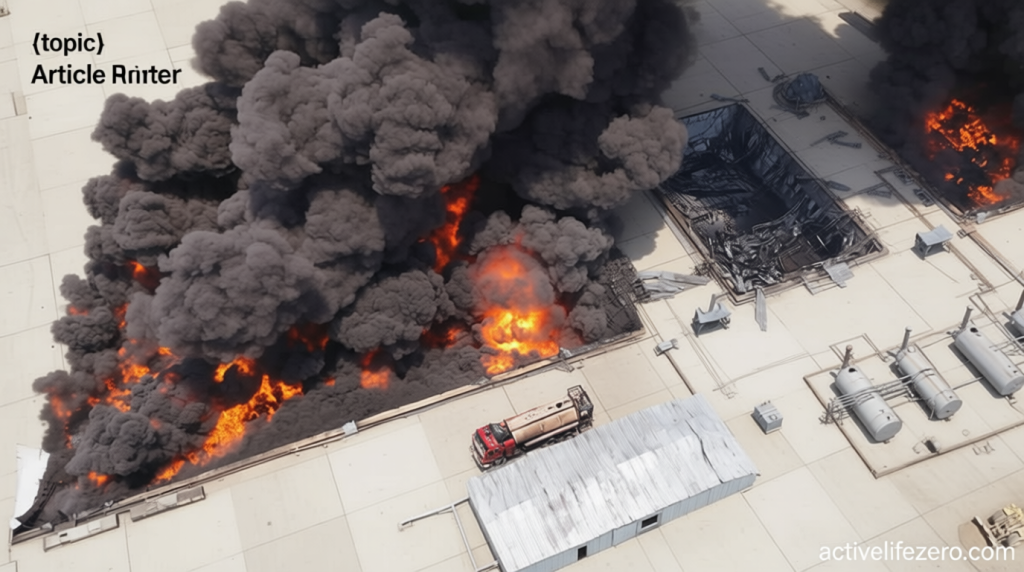
Iran’s relentless aerial assaults on Gulf energy infrastructure, launched shortly after the region’s conflict began, have sent shockwaves through global markets. The nation’s warnings during the US-Israeli military buildup—threatening retaliation if attacked—have now materialized, with strikes targeting oil and gas facilities in multiple countries. The attacks, which included a surprise assault on Azerbaijan, have disrupted critical supply chains and raised concerns about economic instability.
Impact on Global Energy Trade
Following the initial skirmishes, Iran expanded its strikes, crippling key energy assets. The targeting of Qatar’s LNG production facilities in Mesaieed and Ras Laffan Industrial City, which account for roughly 20% of global supply, has caused immediate price spikes. Meanwhile, the Strait of Hormuz, a vital oil transit route for 20% of worldwide crude, faced blockades that stranded over 200 vessels, according to Lloyd’s List. Saudi Arabia’s largest oil refinery also shut down amid renewed strikes, while Iraqi output and Israeli gas fields suffered setbacks.
Analysts Warn of Recession Risks
On Friday, the UK Foreign Office noted that while the pace of Iranian attacks has slowed, their focus on economic targets is intensifying. Dr. Yousef Alshammari, president of the London College of Energy Economics, warned that a prolonged blockade of the Strait of Hormuz could push the global economy into recession. “As summer approaches, the risks of recession may grow,” he said, adding that China, a major buyer of Iranian oil, could apply political pressure if energy prices surge.
Statements from Key Officials
Qatar’s Energy Minister, Saad al-Kaabi, expressed alarm over the conflict’s potential to destabilize world economies. “If this war lasts for weeks, GDP growth will be hit,” he stated in a Financial Times interview. “Energy prices will rise, shortages will occur, and factories may face supply chain crises.”
“Everybody’s energy price is going to go higher. There will be shortages of some products and there will be a chain reaction of factories that cannot supply,” al-Kaabi said.
Bryza, former US ambassador to Azerbaijan, questioned the logic of Iran’s attacks. “The strikes on Azerbaijan and Turkey, along with Cyprus, don’t align with a clear military strategy,” he argued. The attack on Nakhchivan, a region close to Armenia, puzzled analysts, especially since Azerbaijan had offered support to Iran after the war began.
“President Aliyev sent a plane to evacuate Iranians from Beirut without taking payment, yet hours later, Iran struck Azerbaijan. It makes no sense,” Bryza explained.
Some speculate that Iran’s actions aim to strain global energy markets and pressure US President Donald Trump. Continued disruptions could harm Republican prospects, as rising oil prices and supply shortages threaten economic growth.
