
The BBC’s best thriller has never been stronger – it’s being let down
The BBC’s best thriller has never been stronger – it’s being let down
People frequently inquire about my current viewing habits, and for the past three weeks, I’ve been overflowing with praise for *The Capture*. I’ve shared my enthusiasm with everyone I’ve encountered, assuming they would echo my admiration for the series and join in the excitement.
When *The Capture* premiered in 2019, it quickly became a quiet success. Its debut season attracted over five million viewers—a remarkable number for a fresh thriller. The show also propelled Callum Turner, a rising star tipped to take on the role of James Bond, into the spotlight. His performance earned a BAFTA nomination, marking a significant milestone in his career.
Despite its initial acclaim, *The Capture* never fully entered the cultural conversation in the way it deserved. With the same buzz reserved for series like *Line of Duty* or the recent revival of *The Night Manager*, it could have sparked widespread discussions and ignited debates about the nature of truth in a digital age.
Instead, it remains under the radar, maintaining a dedicated but shrinking fanbase. Yet, its relevance has only grown stronger, as deepfakes now dominate media landscapes from TikTok to political campaigns. The show’s premise—a world where technology can alter video evidence so convincingly that reality feels unstable—has become eerily prescient.
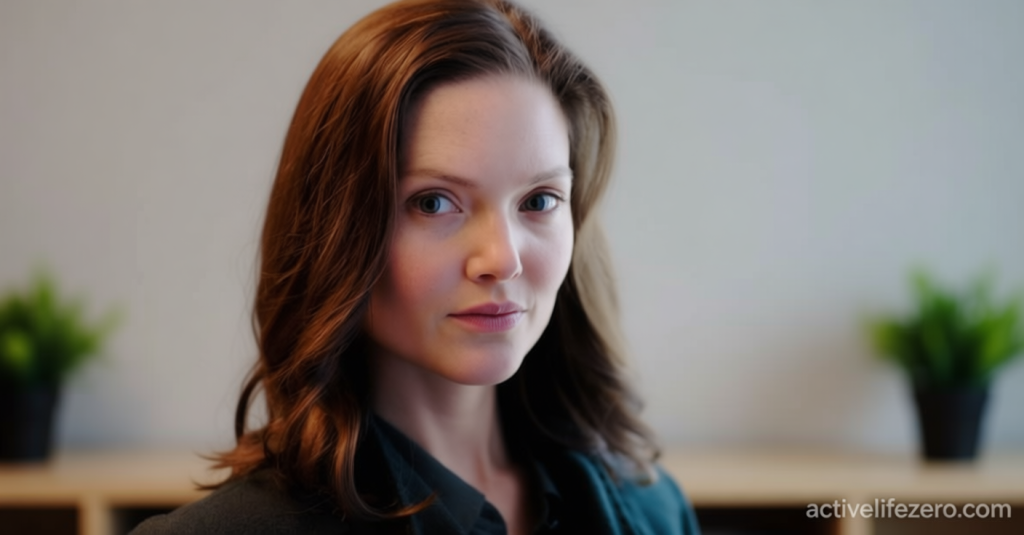
Starring Holliday Grainger as the sharp-tongued detective Rachel Carey, *The Capture* explores a chilling concept: the erosion of trust in visual proof. Seven years ago, such a narrative seemed speculative, dismissed as far-fetched by many. Today, however, the idea feels inevitable, as manipulated footage blurs the line between fact and fiction.
In its second season, the show expanded on this premise, delving into falsified live broadcasts that influence public opinion and sway elections. Now in its third season, currently airing on Sundays at 9pm on BBC One, it has reached its peak. The first episode revealed a shocking twist: a man Carey witnessed shooting a victim later becomes her colleague. This revelation left me disoriented, a sensation I haven’t felt in a long time.
Yet, the show’s viewership has not matched its potential. The debut episode drew just 1.84 million viewers, a figure that pales in comparison to the 16 million average for *Line of Duty*’s 2021 season. While iPlayer streams may boost numbers later, the lack of live audience engagement is striking.
Like *The Capture*, the BBC recently launched *Lord of the Flies*, a critically acclaimed adaptation by Jack Thorne. That series, which premiered earlier this year, also faced a similar fate—its episodes were quietly released on iPlayer before the main broadcast, leading to a swift drop in ratings. The show’s brilliance was overshadowed by its scheduling.
More than ever, *The Capture* deserves to be a cultural phenomenon. It should command attention on morning TV, influence parliamentary discourse, and shine at award shows. But with its current approach, it’s slipping through the cracks, waiting for a moment that may never come.
At the time of writing, which is the morning after *The Capture*’s latest episode, its potential remains untapped.
That’s what makes the show’s current strategy so puzzling. By releasing episodes on iPlayer early, the BBC misses the chance to create collective viewing experiences that fuel conversation. Without the shared thrill of live broadcasts, the show’s impact feels diluted, even as its themes grow more urgent.
It feels like there’s little effort to elevate *The Capture* to the same status as other BBC thriller classics. As its viewership dwindles, it risks being cut from the lineup, despite its sharp storytelling and timely relevance.
For now, the show remains a hidden gem, its brilliance overshadowed by its quiet launch. But with the right push, it could once again capture the public’s imagination—and prove that it’s not just surviving, but thriving.
