
Learn how to build muscle without a gym using effective bodyweight exercises, resistance bands, and household items. Get expert tips on nutrition, rest, and consistency for muscle growth at home. Building muscle without a gym might sound like a challenge, but it’s entirely possible! Whether you’re short on time, don’t have access to a gym, or simply prefer working out at home, you can still achieve your fitness goals. Building muscle is more about consistency, smart training, and the right nutrition than it is about expensive gym memberships or fancy equipment. Let’s dive into how you can build muscle without stepping foot inside a gym. Why Building Muscle Without a Gym is Possible When most people think about building muscle, they envision lifting heavy weights at a gym. While that’s one way to do it, it’s certainly not the only option. The truth is, muscle growth is about creating tension on your muscles, regardless of the method used to do so. You don’t need a bench press or squat rack to get stronger. In fact, there are countless exercises you can do at home, in the park, or anywhere with minimal equipment that can lead to impressive muscle gains. What’s even better? You can build muscle with bodyweight exercises, resistance bands, or even household items, all while avoiding the crowded gyms and long commutes. It’s all about working smart, staying consistent, and making the most of the resources you have at hand. The Science Behind Muscle Growth Before jumping into the “how-to,” let’s briefly cover why muscles grow in the first place. To build muscle, you need to create muscle tension by challenging your body in ways that force it to adapt. This typically happens through progressive overload. Progressive overload means gradually increasing the intensity of your workouts, whether by increasing repetitions, sets, or the weight being lifted. When muscles are exposed to new challenges, like lifting a heavier object or performing an exercise at a higher intensity, the fibers within the muscles experience microscopic tears. Your body then repairs those fibers, making them thicker and stronger. This process is what leads to muscle growth. Building muscle also requires proper nutrition, including protein to help repair those muscle fibers, and adequate rest for recovery. How to Build Muscle Without a Gym There are plenty of ways to build muscle without stepping foot inside a gym. Let’s break it down step by step, with different methods and strategies that are effective for muscle growth. 1. Bodyweight Exercises Bodyweight exercises are one of the best ways to build muscle at home. They don’t require any equipment, and you can perform them anywhere, from your living room to a local park. Some of the most effective bodyweight exercises include: Push-ups: Great for building upper body strength, especially your chest, shoulders, and triceps. Squats: Target your legs and glutes, helping you build lower body muscle. Pull-ups or Chin-ups: Excellent for building back muscles and biceps. If you don’t have a pull-up bar, find a sturdy tree branch or playground equipment. Dips: Work your triceps, chest, and shoulders. All you need is a sturdy surface like a bench or chair. Planks: Target your core for better stability and posture. These exercises can be modified to increase intensity. For example, performing incline push-ups or using one leg for squats can add variety and challenge. 2. Resistance Bands Resistance bands are lightweight, inexpensive, and incredibly versatile. They come in different resistance levels, so you can adjust the intensity based on your fitness level. You can use them to target nearly every muscle group, from your legs and back to your chest and arms. For example, use resistance bands for: Squats: Add resistance to your bodyweight squats to target your glutes and legs more effectively. Chest presses: Loop the band around a door and perform chest presses to simulate the motion of a bench press. Rows: Use the band for rows to build your back muscles and biceps. Lateral raises: Strengthen your shoulders by performing lateral raises with a resistance band. Resistance bands allow you to add variety to your workouts, improving muscle growth by providing different forms of resistance. 3. Dumbbells or Household Items While dumbbells and kettlebells are often thought of as gym equipment, they can easily be substituted with household items that provide similar resistance. For example, grab two water jugs or bags filled with books to perform exercises like bicep curls, shoulder presses, or lunges. A backpack filled with heavy items can also serve as a weight vest for squats, push-ups, and other exercises. Even simple objects like a towel or a chair can be used for exercises that target various muscle groups. For instance, a towel can be used for resistance during curls or tricep extensions. 4. Increase Intensity Over Time As you become stronger, your workouts will need to get more intense to keep pushing your muscles. This is where progressive overload comes in. The idea is to gradually increase the intensity of your workouts to continually challenge your muscles and encourage growth. You can increase intensity in several ways: Add more reps or sets to each exercise. Use a slower tempo during exercises to increase time under tension. Modify bodyweight exercises to more advanced variations (e.g., progressing from knee push-ups to regular push-ups and then to archer push-ups). Add external resistance (like resistance bands or household items). 5. Proper Nutrition Nutrition plays a huge role in building muscle. Without the right nutrients, your body won’t be able to repair muscle fibers and grow stronger. Here are some key nutritional tips to consider: Protein: Protein is essential for muscle repair and growth. Aim for about 1.6 to 2.2 grams of protein per kilogram of body weight each day. Good sources of protein include chicken, fish, tofu, eggs, and legumes. Carbohydrates: Carbs are your body’s main energy source, and they play an important role in fueling your workouts. Opt for whole grains, fruits, and vegetables to get your carbs. Fats: Healthy fats
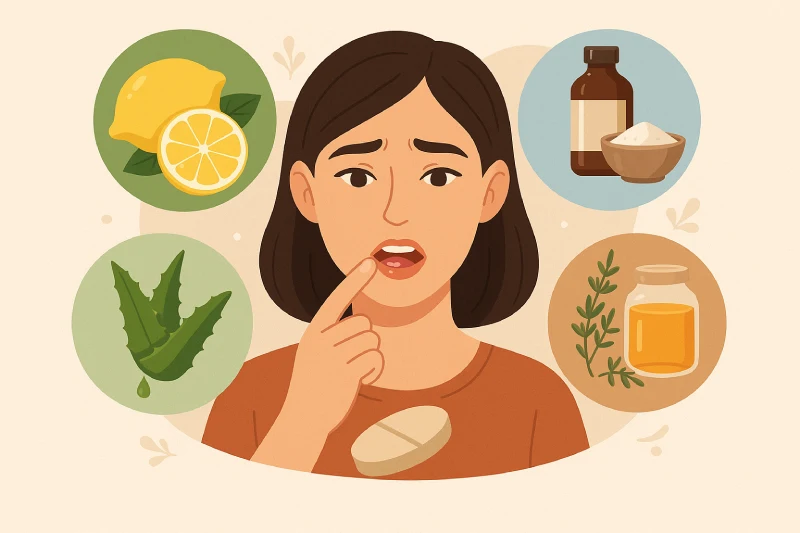
How to Cure Mouth Ulcers Fast Naturally at Home
Wondering how to cure mouth ulcers fast naturally? Try these simple, soothing home remedies using stuff you already have. No meds, no stress—just real relief that works! Mouth ulcers—those tiny, fiery little sores that show up uninvited and make every bite of food feel like a personal betrayal. If you’ve got one right now, I feel you. They’re painful, annoying, and can turn even the most delicious meal into a nightmare. The good news? You don’t need to rush to the pharmacy. In fact, you can treat mouth ulcers quickly and naturally with stuff you probably already have at home. Let’s dive into everything you need to know to kick those pesky sores to the curb. What Are Mouth Ulcers and Why Do They Happen? Definition and Common Types of Mouth Ulcers Mouth ulcers are those annoying open sores that pop up inside your mouth, usually on the inner cheeks, tongue, or even the roof of your mouth. They’re not contagious, but they sure know how to hurt. The most common ones are minor ulcers, which are small and heal quickly; major ulcers, which are deeper and slower to go away; and herpetiform ulcers, which come in clusters but have nothing to do with herpes (despite the name—yeah, that’s confusing). Causes: Stress, Biting, Poor Diet, Hormonal Imbalance, etc. You might think mouth ulcers just show up randomly, but nope—there’s usually a trigger behind them. Maybe you bit your cheek while chewing in a rush, or you’re running low on key vitamins like B12 or iron. Stress is a biggie too (because of course it is), and so is eating too many acidic or spicy foods. Hormonal changes, allergies, and even toothpaste with sodium lauryl sulfate can also stir up trouble in your mouth. Symptoms to Watch Out For It usually starts with a tingling or burning feeling in your mouth, followed by a visible sore that feels like it’s hosting a tiny bonfire on your tongue. Other signs include redness, swelling, and pain when eating, drinking, or even just talking. If your morning coffee suddenly feels like lava, you’re probably dealing with a mouth ulcer. Why Choose Natural Remedies for Mouth Ulcers? Benefits of Natural Over Pharmaceutical Treatments Natural remedies are kind of like your body’s best friend—they work with it, not against it. While pharmacy treatments often come with artificial additives or ingredients you can’t pronounce, natural remedies are simple, effective, and usually safer in the long run. Plus, you get to skip the weird aftertastes and side effects. Safety for All Age Groups (Kids, Elderly, Pregnant Women) One of the best things about natural remedies is that they’re gentle enough for almost everyone—kids, elderly folks, and even pregnant moms. No worrying about harsh chemicals or strange reactions. You just need a few kitchen staples, and you’re good to go. Minimal Side Effects and Long-Term Oral Health Support Let’s be real: popping pills or using medicated gels might offer fast relief, but they don’t always support long-term oral health. Natural remedies, on the other hand, are less likely to mess with your system and can actually improve the overall health of your mouth. It’s a win-win. How to Cure Mouth Ulcers Fast Naturally Honey: Anti-Inflammatory and Healing Agent Honey isn’t just delicious—it’s basically nature’s band-aid. Dab a little raw honey on your ulcer a few times a day. It coats the sore, fights off bacteria, and helps your skin heal faster. Bonus: it actually tastes good, unlike most gels from the drugstore. Coconut Oil: Soothes and Prevents Infection Coconut oil is your mouth’s best-kept secret. It has antimicrobial and anti-inflammatory properties, which means it not only helps kill bacteria but also soothes that burning pain. Just apply a tiny bit directly onto the ulcer a few times a day for instant chill vibes. Salt Water Rinse: Antibacterial and Cleansing The classic grandma remedy—and for good reason. A salt water rinse cleans your mouth, kills bacteria, and speeds up healing. It might sting a little (okay, a lot), but that means it’s working. Mix a teaspoon of salt in warm water, swish, spit, and repeat a couple of times a day. Baking Soda Paste: Neutralizes Acid and Reduces Pain Baking soda isn’t just for cookies—it’s also great for calming your mouth. Mix it with a little water until it forms a paste, dab it on your ulcer, and let it sit for a minute or two. It helps balance your mouth’s pH and tones down the pain like a champ. Aloe Vera Gel: Accelerates Tissue Repair Got a fresh aloe vera leaf? You’ve got yourself a healing machine. The gel inside is soothing, cooling, and full of vitamins that help speed up tissue repair. Just apply it directly to the sore and let it do its thing. You’ll feel the relief instantly. Clove Oil: Numbs Pain Naturally Clove oil has been used forever for dental pain—and it works like a charm. Just mix a drop of clove oil with a carrier oil (like olive or coconut oil) and dab it onto the ulcer. It numbs the area, reduces inflammation, and helps fight infection too. Ice Cubes: For Temporary Relief Sometimes, all you need is something cold to take the edge off. Gently press an ice cube against the sore for a minute or two. It won’t heal the ulcer, but it’ll give you a break from the pain. Just don’t bite the ice, okay? Your teeth will thank you. Turmeric Paste: Powerful Natural Antiseptic Turmeric is basically the golden child of natural healing. Mix a pinch of turmeric with water or honey to make a paste, then apply it to the sore. Its antibacterial and anti-inflammatory powers kick in fast, helping you heal naturally and painlessly. Chamomile Tea Compress: Calming and Soothing Brew a chamomile tea bag, let it cool, and press it gently onto your ulcer. Chamomile has anti-inflammatory and antiseptic properties that calm the area and help the sore fade away faster. Plus, it smells lovely and

How to Make Rice Pudding with Easy Recipe
activelifezero.com – Craving a sweet, comforting treat? Learn how to make rice pudding with this easy recipe. It’s creamy, delicious, and perfect for any occasion. Give it a try! Rice pudding is one of those timeless, comforting desserts that can make any meal feel a little bit cozier. Whether it’s a cold winter day or a simple weeknight treat, rice pudding is an easy-to-make dish that’s both filling and satisfying. If you’ve ever wondered, “How do I make rice pudding?”—you’re in the right place. In this article, we’ll walk you through everything from ingredients to tips and variations, so you can make the perfect bowl of rice pudding every time. What is Rice Pudding? Before we dive into the how-to’s, let’s take a minute to talk about what rice pudding actually is. Rice pudding is a classic dessert that combines cooked rice with milk, sugar, and flavorings like vanilla, cinnamon, or nutmeg. It’s creamy, comforting, and versatile—able to be served hot or cold, depending on your preference. Rice pudding has been around for centuries, and different cultures have their own variations, whether it’s in the form of a sweet treat or a savory dish. A Brief History of Rice Pudding Rice pudding has ancient roots, with versions of it being made in many cultures. The dish was first mentioned as far back as the 14th century, with variations popping up in places like Europe, Asia, and the Middle East. Traditionally, rice pudding was made with rice, milk, and sweeteners like honey or sugar. Over time, different countries began adding their own twists—raisins in the UK, coconut in the Philippines, and spices like cinnamon or cardamom in India. Why Rice Pudding is a Comforting Dessert Rice pudding brings back memories of home-cooked meals, grandma’s kitchen, or maybe a favorite childhood snack. It’s creamy, sweet, and satisfying, making it the perfect comfort food. Its simplicity is part of its charm—it’s a humble dessert that doesn’t require fancy ingredients but still delivers a rich and delicious flavor. Ingredients Needed to Make Rice Pudding Now, let’s talk about what you’ll need to make this delicious dessert. While there are many variations of rice pudding, the basic ingredients stay the same: rice, milk, and sugar. You can get creative with your add-ins, but the essentials are: Basic Ingredients: Rice, Milk, Sugar, and Flavorings Rice: Short-grain rice is typically the best option for rice pudding. It has more starch, which makes the pudding creamy. You can also use medium or long-grain rice, but it may not achieve the same creamy texture. Milk: Whole milk is ideal for making rice pudding because of its richness, but you can use lower-fat versions if you prefer. For a creamier texture, some people like to add a splash of cream. Sugar: Sugar is essential for the sweet flavor of rice pudding. You can adjust the amount to your taste, but usually, around ½ cup of sugar works well for every cup of rice. Flavorings: Vanilla is the classic flavoring for rice pudding, but cinnamon, nutmeg, or even cardamom can add a warm, aromatic touch. Optional Add-ins: Raisins, Cinnamon, and Nutmeg For extra flavor, consider adding a handful of raisins or dried fruit to your pudding as it cooks. Cinnamon and nutmeg are also popular spices that bring warmth and complexity to the flavor profile. If you’re in the mood for something tropical, coconut milk is a great alternative to regular milk and gives your rice pudding a delicious twist. How to Make Rice Pudding Let’s get cooking! Here’s how you can make a traditional, comforting rice pudding. 1. Preparing the Rice Start by rinsing your rice under cold water to remove excess starch. This helps ensure that the rice pudding becomes creamy rather than too sticky. After rinsing, place the rice in a medium-sized pot and add water. Bring it to a boil, then reduce the heat and let it simmer until the rice is tender. This should take about 15–20 minutes. 2. Cooking the Rice in Milk and Sugar Once the rice is cooked, add in your milk and sugar. Stir the mixture together, ensuring that the sugar dissolves fully. Bring the milk to a gentle simmer over medium heat. As it heats up, stir frequently to prevent the rice from sticking to the bottom of the pot. 3. Stirring Techniques and Cooking Time Stir the rice pudding continuously to prevent lumps from forming. The key here is patience—this part of the process typically takes 20–30 minutes. Keep an eye on the consistency of the pudding. It should become thick and creamy, but not too runny. If it thickens too much, add a little more milk to adjust. 4. Adding Flavorings (Vanilla, Cinnamon, etc.) Once your rice pudding has reached the perfect creamy consistency, it’s time to add flavor. Stir in a teaspoon of vanilla extract for a classic touch. If you’re using cinnamon or nutmeg, now is the time to add them. A pinch of salt can also enhance the flavor and balance the sweetness. 5. The Final Touch: Toppings and Presentation Tips Once your rice pudding is done, let it cool for a few minutes before serving. For a finishing touch, you can sprinkle a little extra cinnamon on top, or even add some toasted coconut flakes or fresh berries for added flavor and texture. Rice pudding is delicious both hot and cold, so serve it as you like! Tips for Perfect Rice Pudding Every Time Making rice pudding might seem easy, but there are a few tips to ensure it comes out perfectly every time. Choosing the Right Rice (Short-Grain vs. Long-Grain) As mentioned earlier, short-grain rice is the best choice for rice pudding because it releases more starch and results in a creamier texture. Avoid using long-grain rice, as it tends to be fluffier and won’t create the same creamy consistency. How to Avoid Overcooking or Burning the Rice Rice pudding can easily burn if you’re not careful. Always cook it over low to

How to Manage Stress and Anxiety Effectively
Find out how to manage stress and anxiety with proven strategies. Explore our list of effective techniques to reduce stress and anxiety. | How to Manage Stress and Anxiety.

How to Improve Men’s Mental Health for a Balanced Life
Discover effective strategies how to improve men’s mental health, break the stigma, and foster well-being through social connections, professional help, and lifestyle changes. In today’s fast-paced world, men’s mental health has become a crucial topic that often doesn’t receive the attention it deserves. Societal expectations and traditional gender roles have long dictated that men should be stoic and resilient, often discouraging open discussions about emotions and mental well-being. However, acknowledging and addressing mental health is not a sign of weakness; it’s a testament to strength and self-awareness. Understanding how to improve men’s mental health involves recognizing the unique challenges men face and implementing strategies tailored to their needs. This comprehensive guide delves into various approaches, from breaking societal stigmas to encouraging social connections and seeking professional help. By embracing these methods, men can take proactive steps toward better mental health and overall well-being. How to Improve Men’s Mental Health Improving men’s mental health involves addressing societal perceptions, enhancing support systems, and adopting healthy coping mechanisms. Men’s mental health is often overlooked due to cultural norms and stereotypes that dictate how men should behave. To truly make a difference, it’s essential to break these stereotypes and create environments where men feel safe to express their emotions and seek help when needed. Here are 10 key strategies to effectively improve men’s mental health: 1. Breaking the Stigma One of the most significant barriers to improving men’s mental health is the stigma associated with seeking help. Many men are conditioned to believe that expressing vulnerability is a sign of weakness. This perception can prevent them from seeking the support they need, leading to emotional suppression and a higher risk of mental health issues such as depression and anxiety. How to Break the Stigma? Open Conversations: Encourage men to talk about their emotions without fear of judgment. Create safe spaces at home, work, and within social circles where mental health discussions are normalized. Media Representation: Positive representation of men seeking help in movies, TV shows, and social media can help change societal perceptions. Education and Awareness Campaigns: Promote educational initiatives that highlight the importance of mental health and debunk myths associated with it. The Role of Society and Communities Communities play a crucial role in breaking the stigma. By supporting public conversations about mental health, communities can foster an environment of acceptance and understanding. Additionally, workplace mental health programs and public health campaigns can encourage men to prioritize their mental well-being without fear of judgment. 2. Encouraging Social Connections Why Are Social Connections Important? Human beings are inherently social creatures, and social connections play a vital role in maintaining mental health. Strong social networks provide emotional support, reduce feelings of loneliness, and offer a sense of belonging. For men, social connections can be particularly challenging due to societal norms that emphasize independence and self-reliance. How to Encourage Social Connections? Community Engagement: Joining community groups, clubs, or sports teams helps men meet new people and build meaningful connections. Maintaining Friendships: Encourage men to keep in touch with old friends through regular meetings, phone calls, or online interactions. Support Groups: Men’s support groups provide a safe space to share experiences and learn from others facing similar challenges. The Impact of Social Isolation Social isolation can have severe consequences on mental health, leading to increased feelings of loneliness, depression, and anxiety. By fostering social connections, men can build a support system that helps them navigate life’s challenges more effectively. 3. Access to Professional Help Recognizing the Need for Professional Help It’s essential to recognize when professional help is needed. Men often hesitate to seek therapy or counseling due to fear of judgment or misconceptions about mental health treatment. However, professional help can provide valuable tools and coping strategies to manage mental health issues effectively. How to Improve Access to Professional Help? Breaking Barriers to Access: Ensure that mental health services are affordable, accessible, and culturally sensitive. Digital Therapy Platforms: Online therapy and telehealth services provide convenient and discreet access to mental health professionals. Workplace Mental Health Programs: Employers can offer mental health resources, counseling services, and employee assistance programs to support their workforce. Types of Professional Help Available Psychotherapy and Counseling: Provides a safe space to explore emotions, thoughts, and behaviors. Psychiatric Help: Involves medication management for mental health conditions such as anxiety and depression. Group Therapy: Facilitates peer support and shared experiences, helping men realize they are not alone in their struggles. 4. Physical Health and Mental Well-being The Connection Between Physical and Mental Health Physical health and mental well-being are deeply interconnected. Regular exercise releases endorphins, which improve mood and reduce stress. Conversely, a sedentary lifestyle and poor nutrition can contribute to mental health issues. How to Improve Physical Health for Mental Well-being? Regular Exercise: Engage in physical activities such as walking, running, cycling, or weight training. Aim for at least 30 minutes of exercise most days of the week. Balanced Nutrition: Maintain a diet rich in fruits, vegetables, whole grains, and lean proteins. Avoid excessive sugar, caffeine, and processed foods. Adequate Sleep: Prioritize 7-9 hours of quality sleep each night to regulate mood and energy levels. The Benefits of Physical Activity Regular physical activity improves overall mental well-being by reducing anxiety, enhancing cognitive function, and boosting self-esteem. It also provides an outlet for stress and frustration, promoting a positive mindset. 5. Developing Healthy Coping Mechanisms Identifying Unhealthy Coping Mechanisms Unhealthy coping mechanisms, such as substance abuse, emotional suppression, or aggression, can exacerbate mental health issues. It’s essential to recognize these behaviors and replace them with healthier alternatives. How to Develop Healthy Coping Mechanisms? Mindfulness and Meditation: Practices like mindfulness meditation and deep breathing exercises help manage stress and enhance emotional regulation. Creative Expression: Encourage men to express their emotions through creative outlets such as art, music, or writing. Physical Activity: Engaging in physical activities like sports or exercise can serve as a productive way to release pent-up emotions. The Role of Resilience and Adaptability Developing healthy coping mechanisms enhances resilience, allowing men to

How to Improve Your Sexual Confidence
Discover effective strategies to boost your confidence in the bedroom. Learn how to improve your sexual confidence through expert tips, self-acceptance, and communication skills

How Exercise Can Enhance Your Sex Life
Discover how exercise can enhance your sex life through improved stamina, confidence, and physical performance. Learn science-backed workout tips for better intimacy

Tips for Maintaining Passion in Long-Term Relationships
Discover effective tips for maintaining passion in long-term relationships that will help you keep the spark alive and strengthen your romantic connection today

Essential Estrogen Benefits for Females: Complete Guide
Discover the key estrogen benefits for females, from hormone balance to bone health, heart protection, and overall well-being at every life stage. What role does estrogen play in maintaining optimal female health? We will explore its benefits for females. This includes its impact on reproductive health, bone density, and mental well-being. We aim to provide a comprehensive guide to female health. Estrogen is a vital hormone for females. It regulates menstrual cycles and maintains strong bones. We will discuss how estrogen affects different stages of life, from puberty to menopause. Its significance in overall female health will also be highlighted. We aim to provide insights into the importance of estrogen in female health. We will discuss its benefits and how to maintain healthy estrogen levels. Our goal is to promote overall well-being and a deeper understanding of estrogen benefits for females. Understanding Estrogen: The Female Body’s Crucial Hormone Estrogen is key for women’s health. It’s important to know what estrogen is and how it works. This hormone changes a lot in a woman’s life, from puberty to menopause. Estrogen helps with many things, like keeping bones strong and regulating the menstrual cycle. Here are some key points about estrogen: Estrogen helps regulate the menstrual cycle and supports fetal development during pregnancy. It plays a crucial role in maintaining bone density, reducing the risk of osteoporosis and fractures. Estrogen also has a positive effect on mental health, reducing the risk of depression and anxiety. Exploring estrogen shows it’s vital for health. Knowing how it works helps us understand its importance. This knowledge helps us keep estrogen levels healthy, which is good for our overall well-being. What Is Estrogen and How It Works Estrogen is a hormone found in women, mainly made by the ovaries. It works by attaching to receptors in the body. This triggers responses that help control various functions. Different Types of Estrogen in the Female Body There are three main types of estrogen: estradiol, estriol, and estrone. Each type has its own role and changes in levels as a woman ages. The Role of Estrogen Throughout Life Stages Estrogen’s role changes with age. It helps develop secondary sex characteristics in puberty. It also supports the menstrual cycle and pregnancy in adulthood. After menopause, it helps keep bones strong and supports overall health. Key Estrogen Benefits for Females in Reproductive Health Estrogen is key for reproductive health in females. It offers many benefits. We’ll look at how estrogen helps with fertility and prevents some reproductive issues. Some main benefits of estrogen for females include: Regulation of the menstrual cycle Support for the development of the female reproductive system Crucial role in pregnancy Estrogen is vital for reproductive health. Its benefits also help prevent certain reproductive disorders. Understanding estrogen’s role in reproductive health highlights its importance for female health. Exploring estrogen’s benefits shows its importance in reproductive health. It helps regulate the menstrual cycle, supports reproductive system development, and is essential for pregnancy. Estrogen is a hormone that plays a crucial role in female health. Bone Health and Estrogen’s Protective Effects Estrogen is key to keeping bones strong, which is vital for our health. We’ll see how estrogen stops osteoporosis and keeps bones dense. Prevention of Osteoporosis Stopping osteoporosis is a big deal for estrogen and bones. Estrogen keeps bone density in check, lowering fracture and disability risks. Eating right and exercising also help prevent osteoporosis. Bone Density Maintenance Keeping bones dense is crucial for bone health. Estrogen controls bone-building and breaking cells, keeping bones strong. Joint Health Support Supporting joints is also key for estrogen and bones. Estrogen keeps joints healthy by fighting inflammation and growing new tissue. Regular exercise, like weight-bearing activities, keeps bones and joints healthy. Eating a balanced diet with calcium and vitamin D also supports bones. Staying away from smoking and too much alcohol cuts osteoporosis risk. Estrogen and Bone Health Benefits Description Osteoporosis Prevention Estrogen regulates bone density, lowering fracture and disability risks. Bone Density Maintenance Estrogen keeps bone density by controlling bone-building and breaking cells. Joint Health Support Estrogen keeps joints healthy by fighting inflammation and growing new tissue. Mental Health and Cognitive Function Advantages We know how important estrogen is for our mental health and brain function. It helps lower the risk of depression and keeps our brains working well. This hormone is key in managing mood and brain health. Estrogen offers many benefits for our mental and cognitive health. Here are some of them: Regulating mood: Estrogen keeps our neurotransmitters in balance, which helps prevent mood disorders. Supporting cognitive function: It helps older adults by promoting healthy brain cells and connections. Studying estrogen’s effects on our minds and brains is crucial. It helps us see why keeping estrogen levels healthy is so important for our overall well-being. Skin, Hair, and Beauty Benefits of Estrogen Estrogen is key for healthy skin and hair. It helps make collagen, which keeps skin elastic. As we get older, our collagen goes down, causing wrinkles. Estrogen slows this, making skin look younger. It also boosts hair growth, a big deal for women. Hair growth depends on hormones, and estrogen keeps it in check. With enough estrogen, hair gets thicker and healthier. Collagen Production and Skin Elasticity Collagen is vital for elastic skin. Estrogen boosts collagen, making skin smoother and lines less visible. Hair Growth and Thickness Hair growth is complex, and estrogen is crucial. It extends the growth phase, leading to longer, thicker hair. Anti-aging Properties Estrogen fights aging signs. It supports collagen and hair growth, keeping women looking younger. Cardiovascular Health Improvements Estrogen is key to our health, and it’s great for our hearts. It helps lower heart disease risk by keeping cholesterol and blood vessels healthy. Estrogen offers many heart benefits. Some of the main advantages are: Reduced risk of heart disease Lower risk of stroke Improved blood vessel function Healthy cholesterol levels Studies show estrogen is good for our hearts. Keeping estrogen levels right can cut down heart disease and stroke risks.
How To Heal Bacterial Vaginosis Naturally And Safely
Discover effective ways to heal bacterial vaginosis naturally and with medical treatments. We share proven remedies, preventive measures, and expert tips for fast relief

