
More than 900 million SpaceX shares unlock today. Here’s what to know
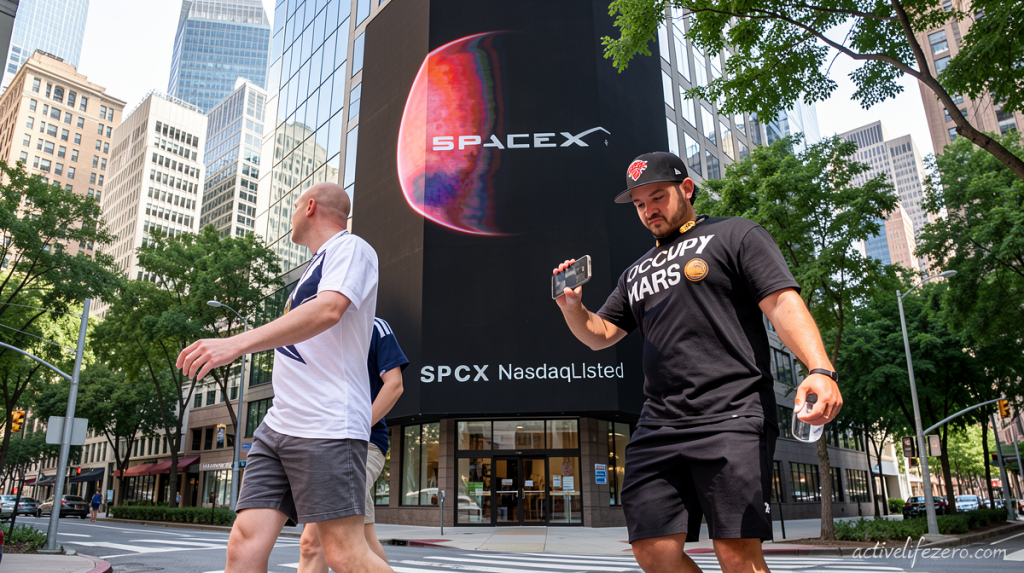
SpaceX Share Unlock Signals New Chapter for Public Markets
Activelifezero.com – Investors watching the space technology sector should pay close attention to Thursday’s major liquidity event. Over 900 million SpaceX shares will become freely tradable, effectively doubling the number of shares available to public market participants. This development comes shortly after the company’s historic initial public offering, which occurred on June 12 and marked the largest debut in market history.
The timing presents both opportunities and challenges for shareholders. The stock, trading under the ticker symbol SPCX, experienced significant volatility this week. Wednesday’s session saw shares decline nearly 14 percent, marking the second-largest single-day drop in the company’s public trading history. The closing price settled at $108.27 per share, representing a notable distance from the $135 target price set during the IPO process.
Understanding the Lockup Mechanism
When companies transition to public markets, they rarely release all shares simultaneously. A portion remains reserved for executives, venture capital firms, and early-stage investors who acquired ownership during the private phase. These pre-IPO holdings typically face lockup restrictions lasting approximately 180 days before becoming eligible for public trading.
SpaceX implemented a more sophisticated approach. Rather than a single blanket restriction, the company established a tiered calendar system. This structure allows different categories of shares to unlock at various intervals throughout the coming year. The Thursday event represents just the beginning of this extended process.
The company currently maintains 7.571 billion Class A shares, primarily held by employees and institutional investors. Additionally, nearly 6 billion Class B shares exist, with the majority controlled by Elon Musk and senior executives. Following Thursday’s unlock, more than 5 billion Class A shares could eventually enter the market through subsequent release periods.
Market Performance and Investor Sentiment
The stock’s trajectory since going public tells a story of initial enthusiasm followed by reality-check corrections. After the IPO, limited share supply combined with strong retail investor demand propelled prices upward. However, recent months have brought increased volatility and downward pressure.
Current valuations reflect approximately a 50 percent decline from the June 16 record high. The stock has also retreated roughly 20 percent from its original IPO target. These movements have occurred alongside broader market concerns about technology valuations and interest rate expectations.
Employee shareholders present an interesting dynamic. Many acquired their positions when prices traded well below current levels. Despite recent price declines, these holders may still be sitting on substantial unrealized gains. This position creates natural selling pressure as employees consider taking profits or rebalancing their personal portfolios.
“You have a few different things triggering volatile action in the name, all happening at the same time,” Ryan Lee, senior vice president for product and strategy at Direxion, explained to CNN.
Nasdaq 100 Weighting Implications
SpaceX’s entry into the Nasdaq 100 index earlier this summer carries significant structural implications. Index weighting depends on both market capitalization and the number of shares available for public trading. As more shares unlock, the company’s influence on index performance will naturally increase.
Currently, SpaceX holds approximately 1 percent weighting within the Nasdaq 100. Analysts at TD Securities project this figure could exceed 3.5 percent following the September rebalancing, assuming current price levels hold. The index conducts quarterly rebalancing, with the next adjustment scheduled for September to account for updated share availability.
Larger index weighting creates additional demand from passive investment vehicles. Exchange-traded funds and index-tracking portfolios must adjust their holdings to match the new weighting requirements. This mechanical buying pressure could provide support for the stock price going forward.
AI Investment and Future Outlook
Recent earnings data revealed that SpaceX allocated more capital toward artificial intelligence initiatives than analysts anticipated. This investment strategy aligns with broader technology sector trends, where companies are racing to integrate AI capabilities across their operations. The company’s revenue growth of 92 percent demonstrates strong commercial momentum despite these substantial investments.
“With these employee share unlocks, you’re going to have natural sellers entering the market,” Lee told CNN. “These are people who’ve (held the stock) far before it was printing at $135 on the IPO.”
Not all shareholders will necessarily sell following the unlock. Many employees and early investors may choose to maintain their positions, particularly if they believe in the company’s long-term trajectory. Musk’s own shares, representing more than 40 percent of the company’s total value, remain locked until one year after the IPO, providing additional stability during this transition period.
“An influx of new shares can weigh on any stock in the short term, but that doesn’t change the underlying picture,” said Justus Parmar, founder and CEO at Fortuna Investments and a SpaceX investor. “What matters most is the strength of the business and Musk’s ability to keep executing on the long-term vision.”
The coming months will reveal whether increased share supply creates sustained selling pressure or if fundamental business strength will ultimately drive valuations higher. Market participants should monitor both the technical aspects of the unlock and the company’s operational progress as key indicators of future performance.
Related Reading
Frequently Asked Questions
What is More than 900 million SpaceX shares?
More than 900 million SpaceX shares is the main topic of this guide. The article explains the context, practical details, and next steps readers should understand.
Why does More than 900 million SpaceX shares matter?
More than 900 million SpaceX shares matters because readers are looking for a useful answer, not just a short summary. Good content should match search intent and help them decide what to do next.
