
Many trapped in collapsed shopping mall after Japan earthquake
Major Earthquake Strikes Japan’s Kumamoto Region, Leaving Hundreds Trapped and Injured
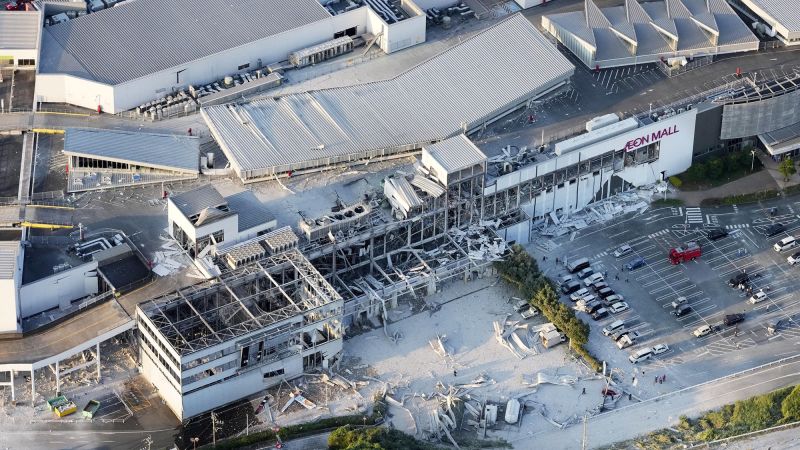
Activelifezero.com – A powerful seismic event has struck southern Japan, causing significant structural damage and leaving numerous individuals trapped inside buildings. According to Japan’s public broadcaster NHK, the earthquake registered at 6.8 on the magnitude scale, though some reports later indicated readings of 7.1. The tremor has caused a shopping mall to partially collapse, with emergency crews working urgently to locate those still inside.
Damage and Casualties Reported
The aftermath of the quake has revealed widespread destruction across the region. Beyond the collapsed shopping mall, authorities have confirmed that a highway bridge has buckled under the force of the shaking. At least one additional building has also suffered structural failure. Emergency responders are currently conducting extensive searches to determine the full extent of casualties and missing persons.
One hospital in the affected area reported treating more than 50 injured individuals, according to NHK. Passengers aboard a high-speed train during the earthquake were also hurt, as reported by Nikkei newspaper. The combination of injuries from falling debris and structural collapses has overwhelmed local medical facilities.
At the Nippon paper factory, which sustained extensive damage, several employees remain unaccounted for. Images captured by news crews showed that one of the factory’s chimneys had collapsed during the shaking. A company employee told NHK: “Nippon is still gathering information on whether there are any casualties, but we are concerned because we have not been able to make contact.”
Trapped in the Shopping Mall
Police sources cited by NHK reported that twenty to thirty employees cannot be contacted after a shopping mall partially collapsed following what appeared to be an explosion triggered by the earthquake. Firefighters have arrived at the scene but face challenges entering the building from the first floor, which is hindering rescue operations.
Most customers had been evacuated once the earthquake hit, but emergency services continue trying to establish whether any shoppers remain missing. The situation remains fluid as rescue teams work through the debris to confirm all individuals are safe.
Power Outages and Transportation Disruptions
The earthquake has knocked out power to thousands of homes across the region. Kyushu Electric Power reported that more than 46,000 households are currently without electricity, though the number appears to be decreasing as restoration efforts progress. The utility company has established an emergency response unit to accelerate power recovery.
Rail services have experienced significant disruptions throughout the day. Several railway lines have been suspended indefinitely. The airport in Kumamoto canceled all flights for the remainder of the day following the earthquake. While flights are scheduled to resume on Wednesday, the airport—which handles both international and domestic routes—urged passengers to verify their travel plans before departing.
Warnings and Historical Context
Residents in areas that experienced the strongest tremors must remain vigilant for approximately one week, according to an official from the Japan Meteorological Agency (JMA). The warning includes risks of both additional strong earthquakes and landslides. Japan ranks among the world’s most earthquake-prone nations, with minor tremors occurring on average every five minutes, Reuters reported.
While most Japanese earthquakes cause minimal damage, the country remains haunted by memories of the devastating magnitude 9.0 earthquake and tsunami that struck its northeast coast in March 2011. That catastrophic disaster left approximately 18,500 people dead or missing and triggered the Fukushima nuclear crisis, recognized as the worst nuclear accident since Chernobyl in 1986.
Since that tragedy, Japan has substantially strengthened its disaster preparedness infrastructure. The nation has invested billions of dollars in rebuilding the worst-hit areas, bolstering tsunami defenses, strengthening building standards, expanding sophisticated earthquake and tsunami monitoring systems, and improving nationwide evacuation planning and drills.
Nuclear Safety Confirmed
Concerns about nuclear facilities have been alleviated by official reports. The Sendai nuclear power station, situated approximately 100 kilometers (62 miles) from the earthquake’s epicenter, has sustained no damage, according to the UN’s International Atomic Energy Agency, which cited information from Japan’s Nuclear Regulation Authority.
Kumamoto is located in southern Japan, roughly 55 miles (90 kilometers) east of Nagasaki. CNN cannot independently confirm whether all reported incidents—including an overturned freight engine that rolled off railway tracks—were directly caused by the earthquake. This post has been updated with additional information as details emerge.
Related Reading
Frequently Asked Questions
What is Many trapped in collapsed shopping mall?
Many trapped in collapsed shopping mall is the main topic of this guide. The article explains the context, practical details, and next steps readers should understand.
Why does Many trapped in collapsed shopping mall matter?
Many trapped in collapsed shopping mall matters because readers are looking for a useful answer, not just a short summary. Good content should match search intent and help them decide what to do next.
