
Less booze, more moves: Inside the UK’s new Gen Z social scene
The Changing Face of British Socializing: Pubs Face New Challenges
Activelifezero.com – For countless generations, British pubs have functioned as communal gathering spaces where soccer enthusiasts watch matches together, coworkers unwind after office hours, families mark birthday milestones, and wedding parties celebrate before tying the knot. Yet a noticeable transformation is underway among younger Britons who are seeking alternative venues for social connection while increasingly adopting sober lifestyles. This evolving cultural landscape potentially intensifies difficulties confronting Britain’s traditional pub establishments.
A Statistical Decline in Pub Numbers
Research released during May by the British Beer and Pub Association revealed concerning figures regarding pub closures. The industry organization, which advocates for numerous breweries and pubs nationwide, reported that 161 establishments shut their doors between January and March of this year alone. This represents an average of almost two closures daily. Looking at the broader timeline, more than one-quarter of all British pubs have disappeared since the year 2000, dropping from 60,800 locations to just 44,650 by 2025.
Emma McClarkin, who serves as chief executive of the BBPA, identified escalating operational expenses and increased taxation as significant contributors to financial strain within the pub sector. However, specialists emphasize that cultural transformations also substantially influence this trend.
Gen Z Redefines Social Rituals
For individuals belonging to the Millennial, Gen X, and Baby Boomer generations, consuming alcohol heavily remained embedded within conventional social practices such as after-work gatherings. Thomas Thurnell-Read, a Loughborough University sociologist specializing in leisure patterns and consumption habits, explained this generational difference.
For a lot of professions and industries a generation ago, it would have been the norm to go to the pub on a Friday or go to the pub during lunch time, whether it’s a three-pint lunch, and then back to the desk. Things like that sound nostalgic.
Thurnell-Read further noted that traditional celebrations like bachelor parties or major nights out featured hangovers as integral components of the experience. People would recover, prepare morning meals, or visit cafes to recount evening adventures.
However, growing recognition of heavy drinking’s potential negative effects has altered behaviors, especially among younger demographics. According to research conducted by the British alcohol awareness organization Drinkaware, an expanding population embraces beverages containing minimal or zero alcohol content.
The Productivity Mindset
What distinguishes Gen Z’s approach to drinking from previous generations, according to Thurnell-Read, involves the pressure young people experience to achieve success and utilize leisure time efficiently.
This is a generation that’s grown up with Instagram and TikTok… you have to be seen doing well.
He added that viewing pub time or mornings lost to hangovers as wasted opportunities represents a fundamental shift in perspective.
Rising Through Running and Racket Sports
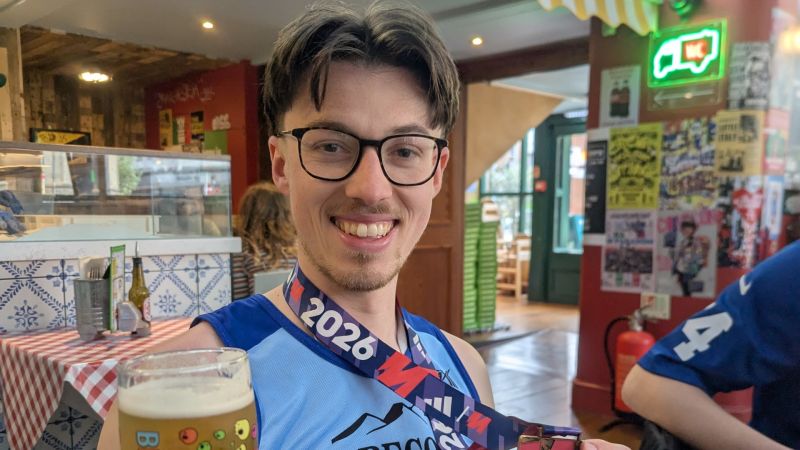
During pandemic lockdowns, when venues ranging from fitness centers to nightclubs and pubs closed their doors, running experienced explosive growth, with Gen Z driving much of this surge. Twenty-four-year-old Rhys Lloyd from Brecon, a small Welsh town, exemplifies this movement. He described his hometown as having limited entertainment options beyond pub visits.
While many people remained indoors developing new hobbies during Covid, Lloyd purchased running shoes and discovered his passion for the sport. As social restrictions eased, he ventured beyond Brecon to participate in complimentary, community-organized park runs across picturesque villages, connecting with fellow running enthusiasts along the way.
For Lloyd, this lifestyle change meant trading Friday evening pub sessions for Saturday morning runs. He acknowledged continuing to drink occasionally but significantly reduced his consumption compared to his pre-running days.
Don’t get me wrong, I still drink, but I’ve cut down a lot compared to when I didn’t run as much. I feel like you’re more aware of how to live a healthy life and you realize how awful drinking really is, and the sooner you cut it down the better you’ll feel.
Lloyd’s experience reflects broader trends. London Marathon data indicates that over one-third of participants completing the 26-mile race this year fell within the 18 to 29 age bracket. By comparison, runners under 29 represented only 18 to 21 percent during the 2010, 2016, and 2019 editions.
Running isn’t the sole activity transforming Gen Z socialization patterns. Padel, a racket sport combining tennis and squash elements played in teams of four, has similarly experienced remarkable growth since the pandemic. By the conclusion of 2025, approximately 860,000 British residents had participated in padel at least once, representing more than twice the number from the previous year and vastly exceeding the 15,000 who had tried the sport before.
Related Reading
Frequently Asked Questions
What is Less booze more moves?
Less booze more moves is the main topic of this guide. The article explains the context, practical details, and next steps readers should understand.
Why does Less booze more moves matter?
Less booze more moves matters because readers are looking for a useful answer, not just a short summary. Good content should match search intent and help them decide what to do next.
