
Ukraine sees highest civilian casualties since 2022
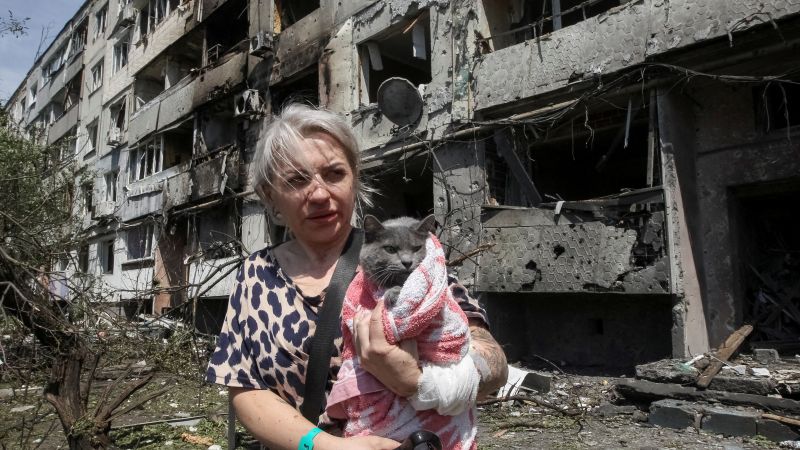
Ukraine sees highest civilian casualties since 2022 amid intensified Russian attacks
Activelifezero.com – According to official government figures, Ukraine has experienced the deadliest month for civilians in the ongoing conflict with Russia in more than four years. Russian military operations this month have resulted in at least 377 civilian deaths and 2,129 injuries, marking the highest toll since April 2022. The surge in casualties stems from increased use of ballistic missiles, which prove challenging for Ukrainian air defenses to intercept, alongside repeated strikes on the capital city of Kyiv.
Escalating aerial threats strain Ukraine’s air defense systems
Ukrainian President Volodymyr Zelensky reported that Russian forces deployed nearly 1,700 drones, over 1,630 guided aerial bombs, and more than 50 ballistic missiles within just the past week. In a message posted on X on Sunday, Zelensky emphasized the urgency of strengthening Ukraine’s defensive capabilities: “We must undercut Russia’s gamble on ballistic terror.” He further noted that “Every interceptor missile right now is literally helping save lives if it is here, in Ukrainian systems, not in our partners’ warehouses.”
“We must undercut Russia’s gamble on ballistic terror,” Zelensky said in a post on X Sunday. “Every interceptor missile right now is literally helping save lives if it is here, in Ukrainian systems, not in our partners’ warehouses.”
The critical need for additional air defense systems was underscored by a tragic incident in Chernihiv on Sunday, where a Russian drone attack on a supermarket claimed the lives of a 10-year-old child and an adult, while injuring three others. Zelensky has repeatedly called for more Patriot systems and other advanced air defense capabilities capable of countering ballistic missile threats. Meanwhile, Ukraine has maintained its offensive campaign against Russian energy infrastructure, targeting several refineries in recent days.
Regional impact and diplomatic tensions rise
The Ukrainian strikes on Russian energy facilities have prompted Moscow to extend its diesel export ban through the end of the year. Russian Deputy Prime Minister Alexander Novak announced on Saturday that the government would evaluate lifting the restriction “as the market recovers.” According to the Institute for the Study of War in Washington, “Many areas of Russia and occupied Ukraine continue to struggle with fuel shortages, though Russian officials are increasingly posturing that the economic situation and fuel crisis are stabilizing.”
Russia has responded to Ukrainian attacks on its energy sector by targeting fuel stations in northern Ukraine and intensifying operations against Ukrainian ports in the Black Sea and along the Danube River. The conflict’s reach extends beyond Ukraine’s borders, as evidenced by the Romanian air force shooting down a Russian drone over the Black Sea on Sunday for the third consecutive day. The Romanian defense ministry confirmed the drone was intercepted above Romanian territorial waters.
Romanian President Nicusor Dan characterized the airspace violation as “inadmissible and intolerable,” prompting the summoning of the Russian ambassador in Bucharest to the Foreign Ministry on Sunday. These developments highlight how the war continues to create ripple effects throughout Eastern Europe.
Frequently Asked Questions
What makes this month’s civilian casualties particularly significant?
This month marks the highest civilian casualty count since April 2022, representing over four years of conflict. The elevated numbers are attributed to increased ballistic missile usage and sustained attacks on populated areas, including multiple strikes on Kyiv.
How is Ukraine responding to the increased Russian aerial threats?
Ukraine is actively seeking additional Patriot systems and other advanced air defense capabilities from international partners. President Zelensky has emphasized that interceptor missiles currently in Ukrainian systems are directly saving lives, highlighting the urgency of receiving more equipment.
What impact are Ukrainian strikes on Russian energy infrastructure having?
Ukrainian drone and missile campaigns against Russian refineries have led Russia to extend its diesel export ban until year-end. The attacks have also prompted Russian retaliation against Ukrainian fuel stations and ports in the Black Sea and Danube River regions.
How has the conflict affected neighboring countries like Romania?
Romania has experienced direct consequences, with its air force shooting down Russian drones over the Black Sea for three consecutive days. The Romanian president described the airspace violations as “inadmissible and intolerable,” leading to diplomatic consultations with the Russian ambassador.
