
Vance, Caine raised concerns about escalating war in Iran, sources say as US pauses consecutive nights of strikes
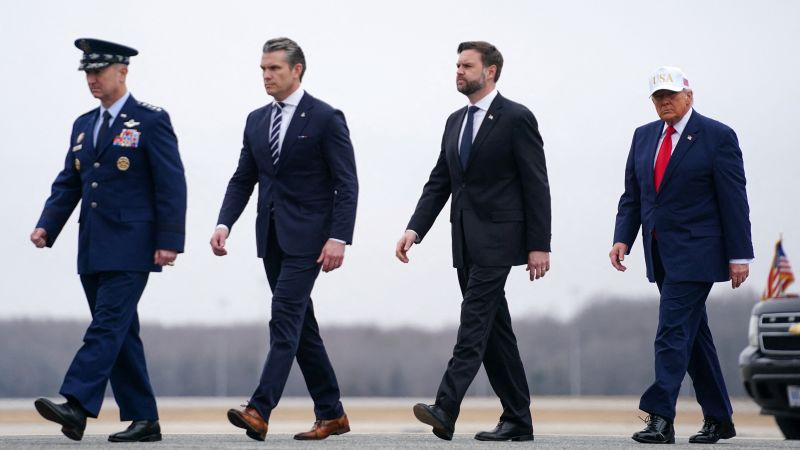
Vance Caine Raised Concerns About Iran War Escalation
Activelifezero.com – Vice President JD Vance and General Dan Caine raised concerns about the potential for further escalation in the ongoing conflict with Iran. During a critical White House meeting on Friday, the two senior officials expressed serious reservations to President Trump regarding the trajectory of American military operations. Their intervention came as the administration weighed whether to maintain or modify the sustained bombing campaign that has targeted Iranian military installations for nearly two weeks.
Military Pause Reflects Strategic Caution
The United States temporarily halted its aerial bombardment following fourteen consecutive nights of strikes against Iranian targets. A Department of Defense spokesperson confirmed the operations were “on a hold,” indicating a deliberate strategic pause rather than a complete end to hostilities. This timing aligned with intensified diplomatic efforts and internal deliberations about the broader consequences of continued military action.
General Caine specifically emphasized concerns about the nation’s munitions reserves and other potential adverse outcomes of escalating the conflict. According to sources, the Chairman communicated that while available military options could be executed successfully, significant implications would follow. The stockpile issue represented just one element among numerous concerns presented to the President during the extensive discussion.
Civilian Impact and Regional Stability
Beyond purely military considerations, officials raised serious questions about potential civilian suffering should major combat operations resume. Trump had previously threatened various civilian infrastructure targets, including transportation networks, bridges, and energy facilities—actions that could potentially qualify as war crimes under international law. One informed source noted the President was cautioned that such measures might result in numerous Iranian deaths and widespread suffering from lack of electricity and food supplies.
The comprehensive concerns voiced during Friday’s session encompassed several critical areas. Sources familiar with the discussions noted worries about triggering a refugee crisis, Iranian counterattacks against Gulf energy and water desalination facilities, and the possibility of broader regional escalation. Most advisers present acknowledged that while the United States possessed the capability to deliver devastating blows, the president should carefully weigh secondary and tertiary consequences.
Diplomatic Approach and Resource Concerns
White House Communications Director Steven Cheung provided context for the administration’s approach in an official statement.
President Trump has always been consistent in saying he prefers a diplomatic solution, but he continues to retain all options if Iran continues terrorist activities in the (Strait) of Hormuz or against allies,
Cheung stated. He further emphasized that combined with effective sanctions crippling Iran’s economy and thirteen consecutive days of strikes targeting military installations,
it would be wise for Iran to work towards a negotiated deal. Otherwise, they know what will happen.
A spokesperson for General Caine declined to elaborate on specific military advice provided to the President, stating simply that
we do not comment on the confidential military advice the Chairman provides the President.
CNN also contacted Vice President Vance’s office for additional commentary.
Political Reactions and Ongoing Negotiations
The timing of the pause proved significant given that key American weapons reserves remained substantially depleted and faced additional pressure if strikes continued. UN Ambassador Mike Waltz addressed this issue during a Fox News appearance on Sunday, noting that
We inherited a difficult situation with many of our munitions having been given over in Ukraine,
and adding that
A lot of them expended in the Houthis, but we are rebuilding with cheaper, faster, more technologically capable as we are conducting this campaign.
Critics from the Democratic Party characterized the administration’s approach as reckless. Senator Chris Van Hollen told ABC’s “This Week” program on Sunday that
We should never have gotten into this senseless war, and we should end it now.
He specifically highlighted concerns about depleted interceptor systems essential for defending American forces against Iranian attacks.
Frequently Asked Questions
Why did the US pause its strikes on Iran?
The United States paused its strikes following fourteen consecutive nights of bombardment. The pause reflects strategic concerns about munitions reserves, potential civilian casualties, and the need for diplomatic engagement. A Department of Defense spokesperson confirmed operations were “on a hold” rather than completely halted.
What specific concerns did Vance and Caine raise?
Vice President JD Vance and General Dan Caine raised concerns about escalating the conflict, particularly regarding the nation’s munitions inventory, potential civilian suffering, and broader regional consequences including refugee crises and Iranian counterattacks against Gulf facilities.
How long have the strikes been ongoing?
The strikes have been ongoing for approximately fourteen consecutive nights, with thirteen consecutive days specifically targeting military installations. This sustained campaign has depleted key American weapons reserves.
What is the administration’s preferred outcome?
According to White House Communications Director Steven Cheung, President Trump prefers a diplomatic solution while retaining all military options. The administration believes effective sanctions combined with continued strikes should encourage Iran to pursue a negotiated deal.
