
US measles cases reach 35-year high, for second record-breaking year in a row
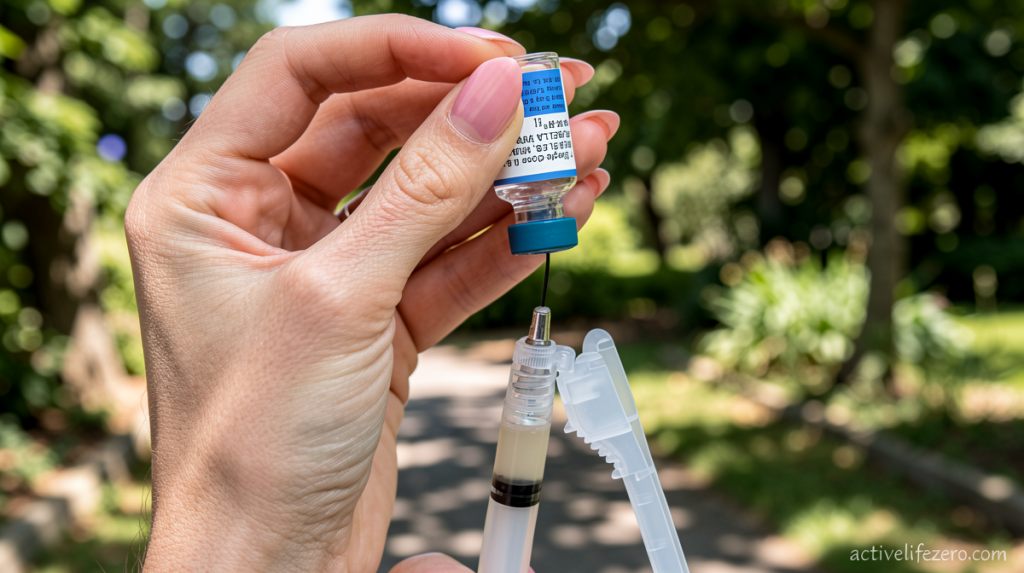
US Measles Cases Reach 35-Year High Amid Ongoing Outbreak
Activelifezero.com – The United States is confronting a significant measles resurgence, with US measles cases reach 35 year high levels for the second consecutive year. As 2026 progresses past the halfway mark, health officials have recorded more infections than any year since 1991. This milestone follows closely on the heels of last year’s record-breaking numbers, confirming that the disease’s return to prominence shows no indication of diminishing.
Despite measles being officially declared eliminated from the nation in 2000, recent months have witnessed a dramatic reversal. The previous eighteen months alone produced more cases than the entire twenty-five-year period following elimination. Each week, the Centers for Disease Control and Prevention tracks dozens of new infections while simultaneously addressing multiple large-scale outbreaks that have persisted since 2025, alongside fresh outbreaks emerging across different regions.
A Preventable Health Challenge
“This essentially is a public health failure, and it’s avoidable,” stated Dr. Andrew Racine, president of the American Academy of Pediatrics.
Most infections occur among children, and nearly every affected child has not received the measles vaccine. Managing these outbreaks has become a persistent, nationwide concern. Outbreaks originating in 2025 extended well into 2026, while new exposures triggered additional large-scale outbreaks impacting most areas of the country.
South Carolina Leads Nation in Cases
South Carolina has emerged as the state with the highest measles case count in 2026. An outbreak that began spreading through Spartanburg County in October grew to become one of the largest the nation has witnessed in decades. With nearly one thousand cases documented, this outbreak concluded in April of this year.
At the geographic heart of this outbreak stood the Unitarian Universalist Church of Spartanburg, led by Rev. Scott Neely. Initially, Neely felt protected from the crisis. However, on the first Friday of 2026—immediately following New Year’s Day—the state health department contacted him. Contact tracing revealed that a person infected with measles had attended the church’s annual Christmas brunch, potentially exposing dozens of attendees.
“This was a strange experience of how segmented our society is,” Neely reflected. “An outbreak was garnering national attention right where I live but having almost no immediate impact on me. That’s not about lack of care or lack of awareness. It is about a kind of separation, isolation, and the way that we’re all living.”
Challenges in Contact Tracing
When the South Carolina Department of Public Health requested an attendance list for the brunch, none existed. The event operated as a volunteer-led potluck open to any community member seeking a gathering place on Christmas Day. Without knowing who attended, rapid communications flowed between church leadership and staff. Within hours, someone produced a photograph of the room, enabling a team effort to identify individuals and gather contact details for the health department.
Neely reported no further communication from state officials, suggesting transmission remained contained to that single event. He credited the congregation’s exceptionally high vaccination rate for preventing additional spread.
“There were nerves, and there was anxiety, and there was some disagreement, but the concluding story was vaccinations work and cooperative spirit gets us very far,” he explained. “But also it really brought to our immediate attention that this is in our community, it’s all around us, and we don’t know what’s going to happen.”
Historical Context and Current Numbers
The South Carolina call Neely received represented one of thousands made by public health workers throughout 2026. In various regions across South Carolina and the broader United States, declining vaccination rates have allowed measles to outpace containment efforts.
The South Carolina outbreak began in October, contributing to what proved to be a record-breaking and fatal year for measles nationwide. According to CDC data, nearly 2,300 cases occurred last year—approximately twelve times the annual average since elimination and the worst performance in over thirty years.
Current figures indicate that 2026 has already exceeded last year’s total. Data published by the CDC on Friday shows at least 2,318 cases documented, with more than five months remaining in the year. Most infections in 2026 continue to involve unvaccinated individuals, reinforcing concerns about vaccine coverage gaps across the country.
Frequently Asked Questions
What makes 2026 significant for US measles cases reach 35 year milestone? 2026 marks the second consecutive year of record-breaking measles numbers, with cases already surpassing last year’s total of nearly 2,300 infections.
Why is South Carolina experiencing the highest case count? The Spartanburg County outbreak, which began in October 2025, grew to nearly one thousand cases before concluding in April 2026, making it one of the largest outbreaks in decades.
How does declining vaccination contribute to the outbreak? Nearly every affected child has not received the measles vaccine, and declining vaccination rates across various regions have allowed measles to outpace containment efforts.
What is the historical significance of these numbers? The 2026 figures represent the highest case count since 1991, with last year’s 2,300 cases being approximately twelve times the annual average since measles was declared eliminated in 2000.
For more information on measles prevention, visit [CDC Measles Information](https://www.cdc.gov/measles/).
