
ICC member states vote to dismiss chief prosecutor Khan
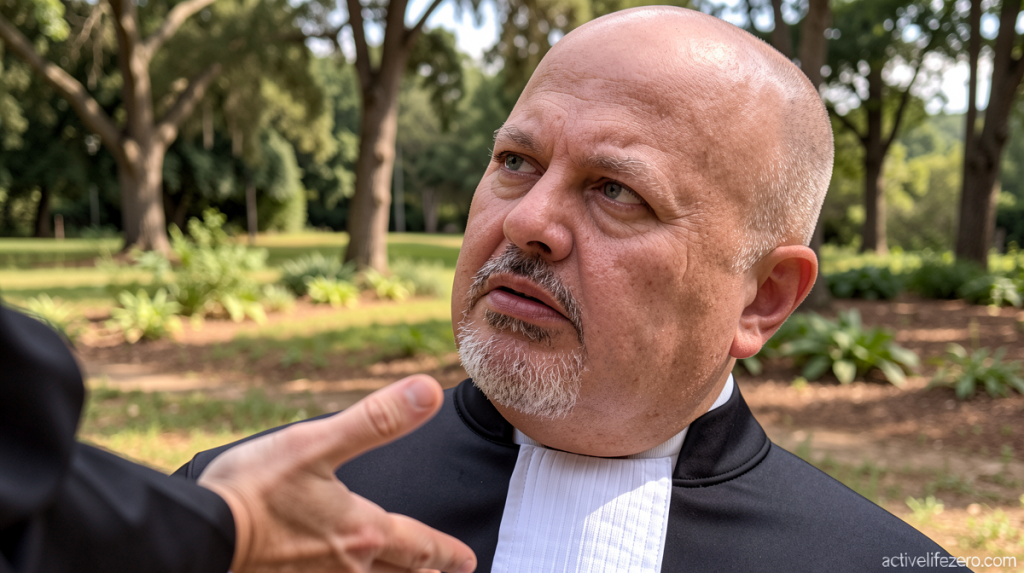
International Criminal Court Members Oust Prosecutor Khan Following Misconduct Findings
Activelifezero.com – Friday marked a significant turning point for the International Criminal Court as member nations voted to remove Karim Khan from his position as chief prosecutor. The decision followed serious allegations regarding sexual misconduct brought against the legal leader. This removal comes shortly after Khan’s accuser publicly shared her account during an interview with CNN correspondent Christiane Amanpour. Throughout this process, Khan has consistently maintained that he did nothing wrong.
The timing of this dismissal coincides with increased attention from Washington toward the war crimes tribunal. American officials have increasingly viewed the independent judicial organization as potentially threatening to United States sovereignty. Päivi Kaukoranta, who serves as president of the Assembly of States, announced that eighty-two member nations cast their ballots in support of Khan’s removal. She stated that the collective decision concluded Khan had engaged in serious misconduct and violated his fundamental duties.
The Accuser’s Account and Investigation
According to Khan’s legal representative, Tayab Ali, the prosecutor intends to contest the outcome. Ali released a statement following the vote indicating that the decision lacked proper legal foundation. He argued that no lawful or well-reasoned finding demonstrated that Khan committed misconduct or failed in his responsibilities.
The confidential ballot took place during a gathering at United Nations headquarters in New York on Friday afternoon. This meeting occurred after the initial allegations against Khan surfaced in 2024. For several months, United Nations officials thoroughly examined the claims presented by Sarah, a woman who requested only her first name be used. She alleged that Khan sexually harassed her and repeatedly engaged her in non-consensual sexual activities. These activities reportedly included groping, attempts at kissing, and both digital and genital penetration.
Sarah, an ICC junior staffer who worked for Khan, described to Amanpour how his actions left her feeling “humiliated.” She explained: “(There was) the pawing, the physical nature of it – but it didn’t start that way. Because it was kind of like encroachments on the boundaries slowly – not just physically but emotionally as well.”
Khan, who is fifty-six years old, participated fully in the United Nations investigation according to its official report. In an earlier conversation with journalist Mehdi Hasan, Khan rejected the notion that he had a sexual relationship with the staff member. He emphasized that during his initial statements to UN investigators, he “completely denied engaging in any harassment, abuse of authority, inappropriate behavior whatsoever.” He also pointed out his cooperation throughout the investigative process.
Political Context and International Reactions
The court’s oversight body placed Khan on suspension in June while awaiting the member states’ vote on Friday. Andreas Kravik, Norway’s Deputy Foreign Minister, spoke before the session. His country voted to remove Khan, and Kravik declared the prosecutor “unfit” to continue serving. He stated: “The world, and not least the victims of genocide, war crimes and crimes against humanity, needs an International Criminal Court that functions effectively.”
Some supporters of Khan have suggested the allegations represent an attempt to harm his reputation following his efforts to secure warrants against Israeli officials for alleged war crimes. In May 2024, Khan requested arrest warrants for three senior Hamas leaders alongside Israeli Prime Minister Benjamin Netanyahu and former Defense Minister Yoav Gallant. These warrants related to alleged war crimes and crimes against humanity connected to the October 7, 2023, attacks on Israel and the following war in Gaza.
Israel, which has never joined the court, rejected the warrants and expressed approval of Khan’s removal on Friday. Israeli officials accused Khan of conducting a witch hunt. This sequence of events prompted speculation both inside and outside the ICC that Sarah’s allegations might be part of a state-sponsored campaign by Israel to undermine Khan’s credibility. Sarah has strongly rejected suggestions that she served as a “state actor” for Israel.
The dismissal arrives during a period of heightened examination of the ICC, particularly from American officials. The United States is not a member of the court and has placed sanctions on eleven ICC judges and prosecutors, including Khan. These sanctions cite the ICC’s arrest warrants against Netanyahu and Gallant, as well as a previous investigation into American troops in Afghanistan. The ICC maintains that the Afghanistan probe was deprioritized but remains active.
On Thursday, US Secretary of State Marco Rubio made strong comments about the court, stating there were “lunatics and crazies” within the ICC and declaring that no American officials would ever face trial there. This developing story will continue to be updated as new information emerges. CNN’s Lauren Kent and Michael Rios contributed to this report.
Related Reading
Frequently Asked Questions
What is ICC member states vote to dismiss?
ICC member states vote to dismiss is the main topic of this guide. The article explains the context, practical details, and next steps readers should understand.
Why does ICC member states vote to dismiss matter?
ICC member states vote to dismiss matters because readers are looking for a useful answer, not just a short summary. Good content should match search intent and help them decide what to do next.
