
TSA security to be privatized at Tampa International Airport under new federal program
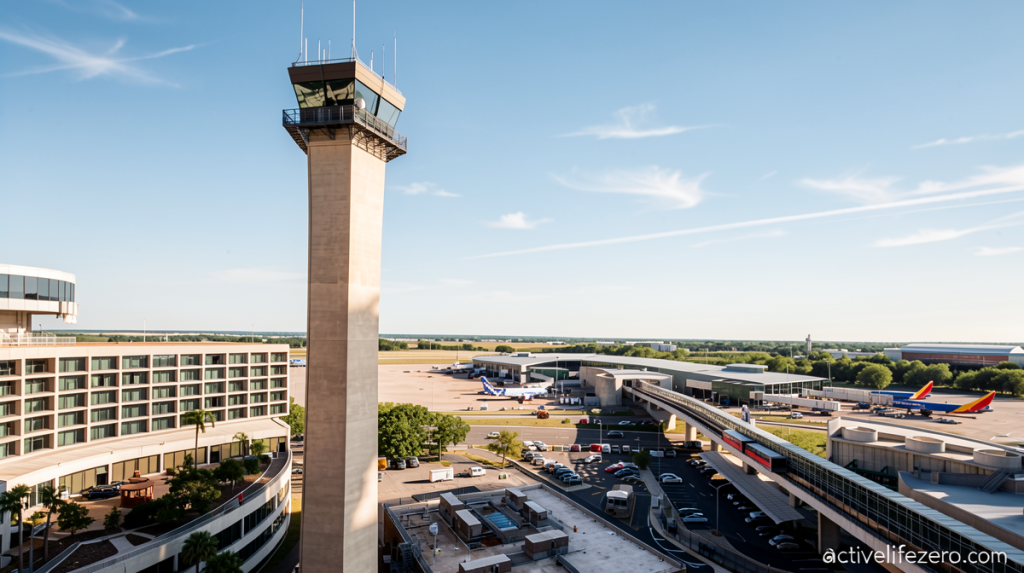
Tampa International Airport Moves Toward Private Security Screening Under Federal Initiative
A New Era for Airport Security Operations
Activelifezero.com – Tampa International Airport has announced plans to transition the majority of its Transportation Security Administration functions to private sector management. This development arrives shortly following President Donald Trump’s presentation of a budget framework for 2027, which emphasized expanding private company involvement in airport security services. According to an official statement provided to CNN on Monday, the airport formally enrolled in the TSA Gold+ initiative, representing an innovative collaborative approach to passenger screening between public and private entities.
While the federal agency will maintain regulatory authority over screening procedures at the facility, the operational model shifts significantly. Rather than government employees handling daily operations, a contracted private firm will oversee both personnel recruitment and equipment management. Checkpoint operations must continue adhering to established TSA regulations, but the employment structure changes substantially. Airport participation remains optional, requiring formal applications from interested facilities seeking to join the program.
“TPA’s decision to join TSA Gold+ reflects the Airport’s strong commitment to modernization, innovation, and operational resilience in aviation security,” the airport told CNN. “The change to privatization not only reduces disruption risks caused by lapses in federal appropriations or government shutdowns but also allows greater flexibility in exploring new screening checkpoint infrastructure and technology to enhance the customer experience.”
Impact on TSA Workforce in Tampa
The transition is scheduled for completion by May 31, 2027, according to information shared during a town hall meeting on Monday. Adam Stahl, who serves as acting deputy administrator for TSA, led the discussion where employees learned about the upcoming changes. Many TSA workers now confront challenging decisions regarding their career paths. Options include accepting positions with the private contractor, seeking alternative government employment, transferring to different airports, resigning voluntarily, or pursuing early retirement.
Emotional reactions were evident among staff members during the announcement. One employee described scenes of sadness and tears, noting that workers had received preliminary notification in May regarding the airport’s application submission. Some individuals immediately began processing retirement documentation upon hearing the news.
Tampa-based TSA officers will receive priority consideration for available positions once a private security vendor receives selection. This first right of refusal provides some stability for current employees navigating the transition period.
Broader Context and National Implications
The White House budget proposal, published in April, mandates that smaller airports participate in TSA’s Screening Partnership Program. Under this arrangement, the federal government covers costs for private screening personnel. Administration officials project the initiative will generate $52 million in savings while initiating reforms for what they describe as a struggling federal agency.
The Gold+ program builds upon an existing framework utilized by several airports with privatized screening operations. A key distinction involves allowing participating facilities to manage their own screening technology alongside private personnel. Currently, twenty American airports operate private security checkpoints under TSA supervision through the Screening Partnership Program. These include San Francisco International, Kansas City International, Orlando Sanford, and seventeen additional smaller facilities.
“It’s very important that people understand what privatization is,” Johnny Jones, secretary treasurer for AFGE TSA Council 100, said at the news conference. “It has nothing to do with your security or your safety. It has everything to do with somebody making a profit.”
The privatization discussion gained prominence among legislators and the president over the past year, particularly following government shutdowns that disrupted air travel operations. During these periods, unpaid TSA employees sometimes failed to report for duty, resulting in extended passenger wait times at various airports.
The American Federation of Government Employees, representing approximately 47,000 TSA officers across the nation, has closely monitored the privatization trend. An AFGE spokesperson indicated earlier this year that the union anticipated such proposals, which were detailed in Project 2025, the Heritage Foundation’s conservative strategy document for Trump’s second presidential term.
AFGE leadership characterized the administration’s approach as leveraging airport chaos during shutdowns to demonstrate what they termed “mission failure” within TSA. The union emphasizes that privatization primarily serves financial interests rather than security improvements.
CNN has contacted TSA officials requesting additional details about the implementation timeline and employee transition process.
