
Bronze Age ‘shaman,’ previously assumed to be a male metalworker, was actually a woman
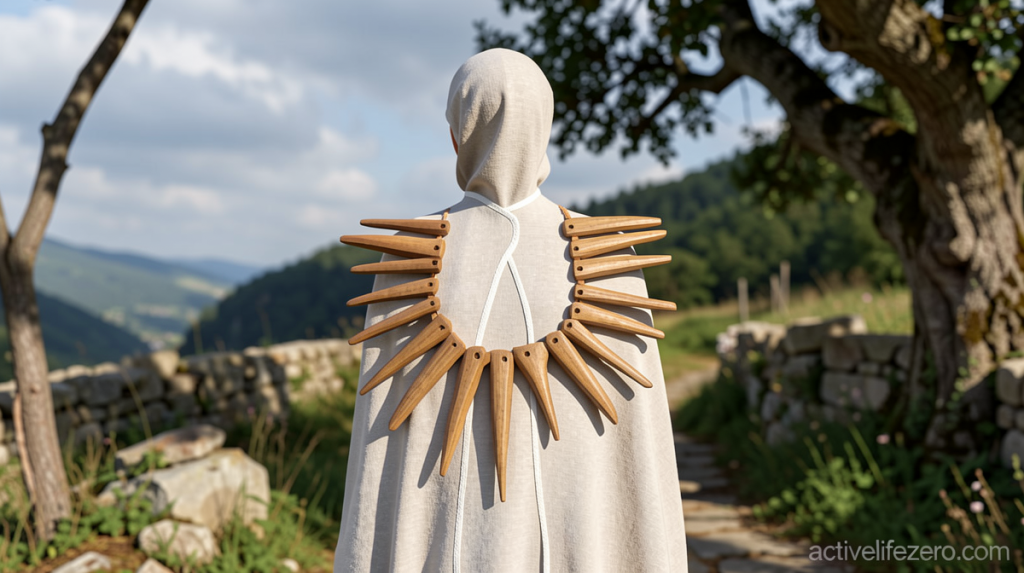
Female Bronze Age Metalworker Discovered After Centuries of Misidentification
DNA Analysis Reveals New Understanding of Ancient British Society
Bronze Age shaman previously assumed to be – A remarkable discovery has emerged from the Bronze Age, challenging long-standing assumptions about gender roles in ancient Britain. The skeleton known as the Upton Lovell Shaman, which researchers had believed belonged to a distinguished male metalworker for over two centuries, has been identified as female through advanced DNA testing. This finding, announced by Tom Booth, a senior research scientist at London’s Francis Crick Institute, fundamentally alters our understanding of social hierarchies in prehistoric communities.
The 4,000-year-old remains were unearthed within a barrow—a distinctive burial mound traditionally reserved for individuals of elevated social standing in southern England. When archaeologists first excavated the site at the dawn of the nineteenth century, they recovered an impressive collection of grave goods. These included bone points, a delicate gold necklace, and several axes that bore visible traces of gold along their edges. Such findings strongly suggested that the deceased individual practiced metalworking, likely working with gold, copper, and bronze materials.
“They were buried with their tools in a special way because they were considered particularly eminent,” Booth explained to CNN on Thursday. “There’s no other burials that really compare in terms of the types of grave goods that are in there.”
The combination of high-status burial location and the substantial quantity and variety of accompanying artifacts made this interment unique not only within Britain but across the broader European Bronze Age context. Archaeologists of the era relied on rudimentary bone size analysis to determine sex, and given the skeleton’s dimensions—approximately five feet four inches tall, closer to the average Bronze Age male height—they concluded the remains belonged to a man. Without DNA testing capabilities at that time, this interpretation remained unchallenged for generations.
Booth and his research team examined the skeleton as part of an extensive genome sequencing initiative currently underway. Initial testing yielded an unexpected result: the individual was female. “We’re overturning sort of two centuries of thought about this skeleton here, so we’d better be careful,” Booth remarked, noting that he subsequently analyzed two additional bone samples to verify the finding. Both supplementary tests confirmed the female designation.
“This subverts the idea that women or females in these societies couldn’t be powerful in their own right and special in their own right,” he added.
The revelation carries significant implications for how scholars interpret female burials containing grave goods. Previously, such discoveries were often attributed to wives of prominent men rather than women holding independent status. The Upton Lovell individual’s postmenopausal status at approximately forty-five years of age further complicated earlier gender assessments, as female skeletal characteristics tend to resemble male features with advancing age.
Regarding the title “Shaman,” Booth suggests that metalworking itself possessed ritualistic significance within Bronze Age Europe. The craft was deeply embedded in continent-wide trading networks, connecting economic and spiritual dimensions of daily life. “This metalworker would have been very much embedded within that kind of network of trade and metalworking and exchange,” he noted.
The findings are featured in “We Go Way Back,” a complimentary exhibition at the Francis Crick Institute that opened on Thursday. Pontus Skoglund, who directs the Ancient Genomics laboratory, emphasized that the broader project aims to sequence approximately one thousand ancient individuals. “As we continue to build an ancient genetic record, that is publicly available, that will provide a rich source of information for archaeologists and everyone else to build a better understanding of past societies and the people in it,” Skoglund stated.
