
Elon Musk likely broke the law by giving voters $1 million, Wisconsin board says
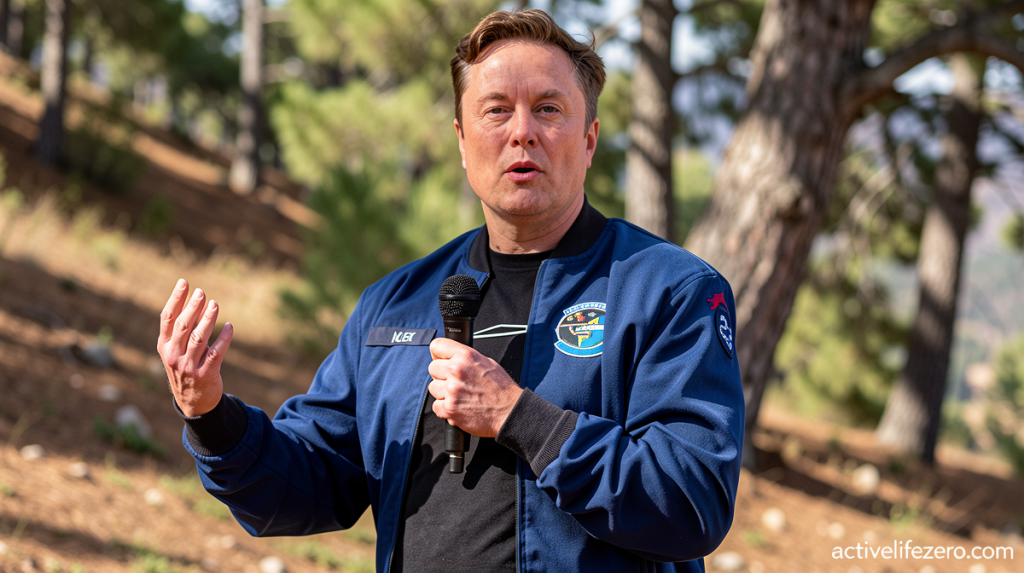
Wisconsin Officials Find Musk May Have Violated Election Bribery Statute
Elon Musk likely broke the law by – A bipartisan commission in Wisconsin has determined that billionaire Elon Musk probably violated state legislation when he distributed $1 million in checks to voters during the 2025 state Supreme Court contest. The Wisconsin Elections Commission forwarded two separate complaints to the Brown County district attorney’s office last week. That office now has the authority to pursue criminal charges if it believes Musk broke the state’s election bribery provisions. District attorneys have been given forty days to submit their findings back to the commission.
Musk’s Massive Investment in Wisconsin Judiciary Race
The SpaceX founder and Tesla chief executive played a central role in attempting to shift control of Wisconsin’s highest court. Musk and allied organizations invested a minimum of $20 million supporting Brad Schimel, the Republican-backed candidate. Despite this substantial financial commitment, Schimel ultimately fell short, losing to Democratic-supported Susan Crawford by a margin of ten percentage points.
The election itself became the priciest judicial contest in American history, with total spending exceeding $100 million. Following this decisive defeat, Musk publicly declared he would significantly reduce his political campaign expenditures going forward.
Complaints and Probable Cause Findings
The complaints originated from voters residing in Milwaukee and Green Bay, the latter located within Brown County. Musk presented the checks at a rally in Green Bay just several days prior to Election Day. According to commission spokesperson Emilee Miklas, the six-member commission—comprising three Democrats and three Republicans—voted five to one during a closed session on Thursday to forward the matters to the district attorney.
The official motion approved by the elections commission concluded there was probable cause that Musk violated Wisconsin law. The violation centered on a social media message in which Musk offered $1 million to individuals who voted in the Supreme Court election, with the stated purpose of encouraging participation in that specific election.
Legal Challenges and Defenses
Three Wisconsin residents ultimately received checks from Musk, including two who collected them personally at the Green Bay gathering. Two weeks before the contest, Musk’s political action committee, America PAC, had previously offered $100 to voters who signed a petition opposing activist judges or referred someone to sign it.
The Wisconsin Democracy Campaign, a government watchdog organization, has already initiated a lawsuit stemming from Musk’s 2025 spending. That pending case in Brown County seeks to permanently bar Musk from offering cash payments within the state. The lawsuit contends that Musk and two organizations he finances violated prohibitions against vote bribery and unauthorized lotteries, while also constituting an unlawful conspiracy and public nuisance.
Wisconsin’s Democratic attorney general previously attempted to prevent Musk from distributing checks to two voters, but state courts rejected that effort. In legal filings from 2025, Musk’s attorneys contended that the giveaways represented the exercise of free speech rights. They argued that any restriction on this practice would violate both the Wisconsin and United States constitutions. The payments, according to Musk’s legal team, were designed to cultivate a grassroots movement against activist judges rather than to directly advocate for or against any particular candidate.
Broader Context and Similar Efforts
Crawford’s victory preserved liberal control of the state Supreme Court. That majority subsequently expanded to five-to-two following the election of Democratic-backed candidate Chris Taylor earlier this year.
Musk’s political action committee employed a nearly identical strategy before the 2024 presidential election. During that campaign, America PAC promised to pay $1 million daily to voters in Wisconsin and six additional battleground states who signed a petition supporting the First and Second amendments. A Pennsylvania judge permitted this initiative to continue through Election Day, ruling that prosecutors had not demonstrated the effort constituted an illegal lottery.
Brown County District Attorney David Lasee, a Republican, did not immediately provide comment when contacted Tuesday regarding the new complaints. Spokespeople representing Musk also did not promptly respond to requests for statements regarding the commission’s findings.
