
The war with Iran has become a battle about a tollbooth. Free seas are at risk
The War with Iran Has Become a Battle for Free Seas
Strait of Hormuz Transforms Into Global Tollbooth
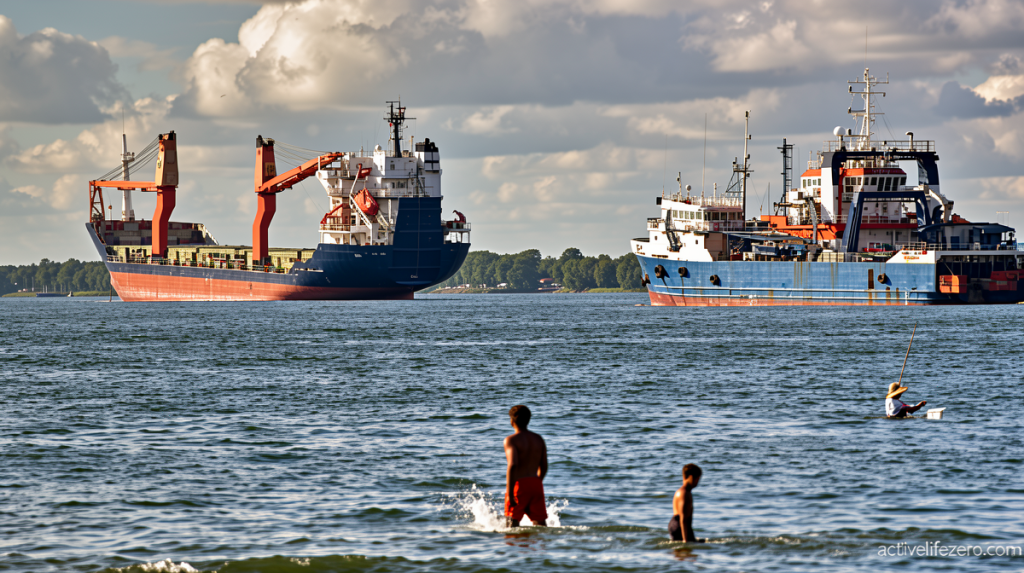
The war with Iran has become something far more complex than a simple military confrontation. What initially emerged as a campaign targeting Tehran’s nuclear capabilities and its network of allied forces has now evolved into a critical struggle over maritime commerce and the future of open ocean navigation. The ongoing hostilities have increasingly centered on the Strait of Hormuz, one of the world’s most vital commercial waterways through which energy and agricultural products flow to markets across the globe. This strategic bottleneck has transformed from a natural shipping lane into what analysts are calling a de facto tollbooth, where passage may soon come with significant costs.
Should this crucial waterway fall under lasting Iranian or American jurisdiction, the implications could extend far beyond the immediate conflict zone. Such a development might signal the decline of open-ocean freedom, a foundational principle that has supported international commerce for generations. Erik Grundt from Rystad Energy warned CNN that this shift could establish a troubling precedent, potentially increasing costs for global shipping operations that would eventually trickle down to everyday shoppers worldwide.
“This could set a dangerous precedent and make international seaborne trade much more expensive, a cost that would ultimately be passed on to end-consumers,” said Grundt.
The Tollbooth Era Begins
Since the initial strikes led by Washington and Jerusalem on February 28, Tehran has moved aggressively to assert control over the waters surrounding its territory. Iranian forces have implemented new restrictions on commercial vessels, requiring certain ships to obtain special permits before navigating through contested areas. These measures have disrupted established shipping routes and forced many commercial operators to reconsider their strategies for transporting goods through the region.
The economic implications of these developments are substantial. Global shipping companies now face uncertainty regarding future tolls, insurance premiums, and potential delays. Energy markets have responded with volatility as traders assess the risk of supply disruptions. Agricultural exporters, particularly those relying on the Strait for grain shipments, are monitoring the situation closely as their competitive position depends on reliable access to international markets.
Diplomatic efforts to resolve the situation have intensified, with multiple nations calling for de-escalation and the preservation of free navigation rights. The United Nations has convened emergency sessions to address the growing crisis, while regional powers have proposed various frameworks for maintaining open access to the waterway. However, these efforts face significant challenges as both sides maintain their positions and continue military operations in the surrounding areas.
The long-term consequences of this conflict extend beyond immediate economic impacts. If the current trajectory continues, the Strait of Hormuz could permanently transform from a free passage into a controlled corridor, fundamentally altering the nature of international maritime commerce. This shift would represent not just a regional development, but a potential precedent for how other strategic waterways might be managed in the future, with implications for global trade patterns that could last for decades to come.
