
Mahmoud Khalil files suit alleging a ‘public-private’ conspiracy to target Israel’s critics
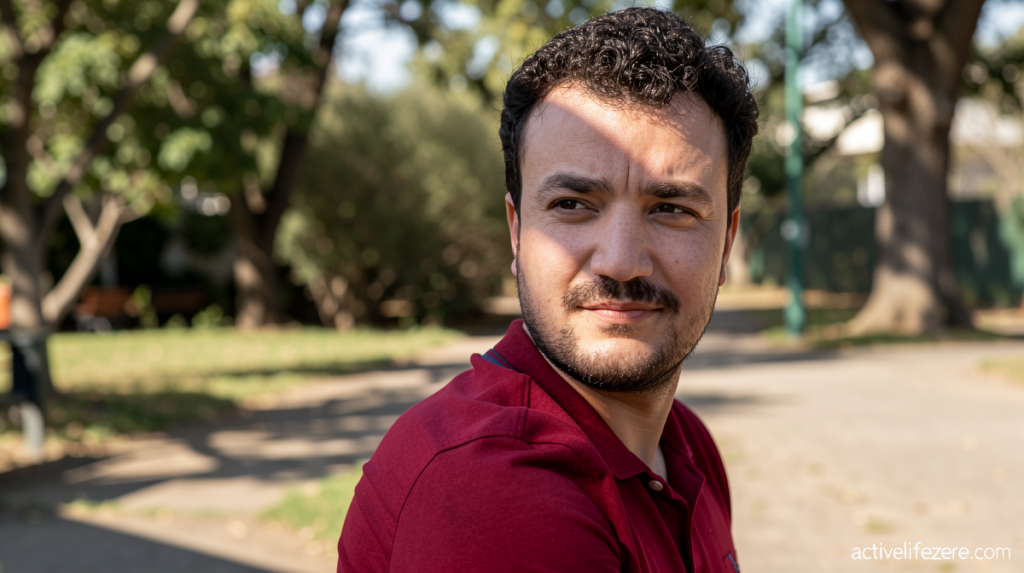
Mahmoud Khalil Files Suit Against Israel Critics’ Targets
Challenging the Public-Private Alliance
Mahmoud Khalil files suit alleging a public – Mahmoud Khalil files suit alleging a coordinated effort between government agencies and private organizations to target individuals who criticize Israel. The federal complaint, filed on Tuesday, presents what Khalil’s attorneys characterize as an unprecedented alliance designed to silence pro-Palestinian voices through immigration enforcement and public shaming campaigns. This legal action names multiple federal entities alongside the Heritage Foundation, Canary Mission, and Betar as key participants in what they describe as a systematic campaign against dissent.
The lawsuit centers on allegations that this “public-private partnership” violates the Ku Klux Klan Act, a nineteenth-century law originally intended to prevent government cooperation with vigilante groups. Khalil’s legal team argues that this historical statute provides a foundation for challenging what they view as unconstitutional coordination aimed at suppressing legitimate political expression. The complaint suggests that high-ranking officials within President Donald Trump’s cabinet worked closely with private monitoring platforms to identify and target critics of Israeli policies.
From Student Activist to National Figure
Khalil, thirty-one years old, rose to prominence as a graduate student at Columbia University who became one of the most visible faces of student opposition to Israeli military operations in Gaza. His activism transformed him from a relatively unknown academic into a national symbol of resistance, particularly following his dramatic arrest in March 2025. Immigration and Customs Enforcement officers detained Khalil inside his university residence, an event that captured widespread media attention and positioned him at the center of the Trump administration’s broader campaign against pro-Palestinian activists on college campuses across the United States.
During his subsequent detention, Khalil spent one hundred and four days confined at an immigration facility in Louisiana. The separation proved particularly painful as he missed the birth of his first child, a circumstance that generated additional sympathy and media coverage for his case. His eventual release came through the intervention of a federal judge in New Jersey, who ordered Khalil’s freedom while immigration proceedings continued.
Legal Challenges and Political Significance
The deportation proceedings against Khalil have moved faster than most immigration cases, with hearings conducted in courts controlled by the executive branch. These proceedings may ultimately reach the United States Supreme Court for a definitive ruling. The Trump administration has treated Khalil’s case as a priority, signaling its determination to establish important precedents in immigration enforcement and political expression.
Khalil has consistently denied claims that his activism represents antisemitic behavior. Speaking to The Associated Press, he explained his position with characteristic clarity:
“My beliefs are not wanting my tax money or tuition going toward investments in weapons manufacturers for a genocide.” He added, “It’s as simple as that.”
As a legal permanent resident married to an American citizen, Khalil’s circumstances extend beyond personal circumstances. His lawsuit seeks to determine whether the combination of governmental authority and private sector resources creates an unconstitutional framework for targeting political dissent. Representatives from the Heritage Foundation, Canary Mission, and Betar had not provided responses to questions about the allegations as of Tuesday afternoon.
The potential outcome of this case carries implications for how future demonstrations will be monitored and how immigration enforcement intersects with political speech. Khalil’s attorneys maintain that documented evidence reveals a pattern of coordinated action that transcends ordinary governmental operations and enters the territory of political suppression.
