
GLP-1s are shrinking bodies. Cadaver fat is plugging the gap
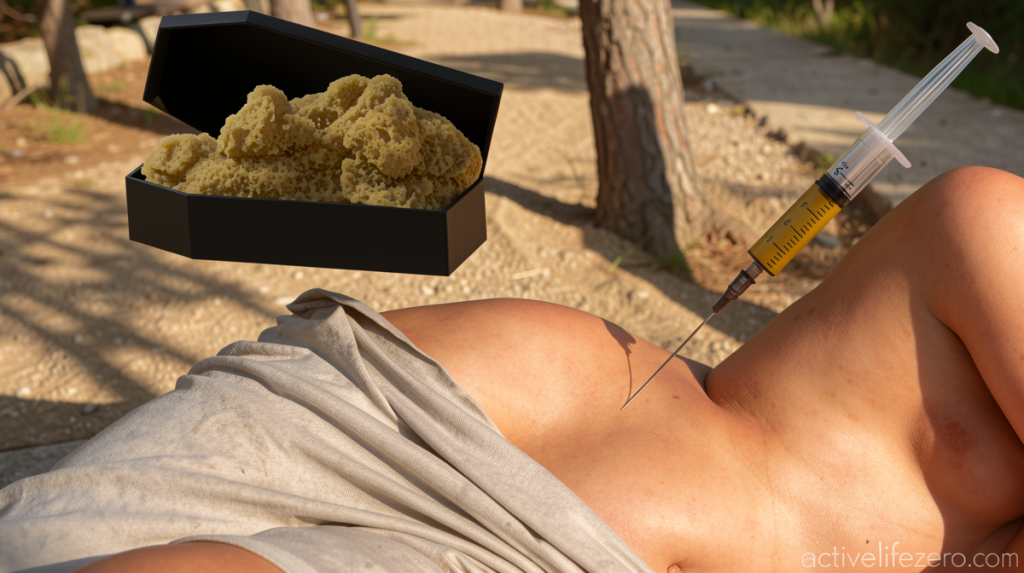
GLP-1 Medications Shrink Frames While Donor Fat Fills the Void
The Rise of Cadaver Fat as a Cosmetic Solution
GLP 1s are shrinking bodies Cadaver – As weight-loss medications continue to reshape American bodies, a new solution is emerging to address the resulting volume loss. The surge in popularity of GLP-1 drugs has left many individuals with diminished curves, prompting a demand for ways to restore lost fullness. In response, Tiger Aesthetics has seen significant growth in its product alloClae, a soft tissue corrector derived from human donors. Since its introduction in May 2025, the company reports that over two thousand individuals have received injections of this unique substance.
This trend reflects a broader cultural shift where drastic physical alterations are no longer viewed as extreme modifications but rather as standard maintenance. Procedures such as rib reshaping, various types of facelifts, and eyelid surgeries have become increasingly commonplace. With advancements in surgical techniques, the desire for sharper jawlines and tighter skin continues to grow. alloClae stands out as one of the most innovative offerings in this expanding market, bridging the gap between traditional surgery and non-invasive treatments.
A Patient’s Perspective on the “Lunchtime Boob-Job”
Sandra, a 43-year-old attorney practicing in Los Angeles, represents the growing demographic seeking these solutions. She had considered breast augmentation for decades but was deterred by the recovery period and the sensation of carrying a foreign object within her body. Upon discovering alloClae last summer, she found the concept appealing due to its simplicity. The treatment requires no synthetic implants and involves minimal downtime, allowing patients to resume their daily activities quickly.
“You hit a certain age and you decide, I’m going to do something for myself at this point,” she explained regarding her decision to proceed with the treatment.
The product, which is pronounced similarly to the sculpting material clay, is often referred to as a “lunchtime boob-job” because the injection process typically concludes in under an hour. It does not require general anesthesia or a hospital environment. Sandra noted that the post-procedure care was surprisingly straightforward. Furthermore, the fact that the material comes from donated cadavers did not bother her. “I was fine with that,” she stated, reflecting a comfort level shared by many others in the United States.
Medical Insights and Market Comparisons
Dr. Luis Macias, a double-board-certified plastic surgeon based in Los Angeles, has observed the product’s rapid ascent firsthand. He noted that the demand is so high that he feels like he is communicating with a luxury car dealership representative rather than a medical supplier. The cost for a single 12.5cc syringe can reach approximately $2,250. Marketed as “off-the-shelf” fat, the product serves as an alternative to autologous fat grafting, where a patient’s own tissue is harvested and transferred.
While alloClae is not the first of its kind, it offers distinct advantages over competitors like Renuva, which was introduced by MTF Biologics roughly ten years prior. According to Dr. Macias, the primary distinction lies in volume. Renuva’s maximum capacity is only 3ccs, making it suitable for smaller zones such as the hands and neck. In contrast, alloClae can hold up to 22cc, providing a denser and firmer result. “It’s a little chunkier,” Dr. Macias described, highlighting its suitability for larger areas of the body.
Embracing the Future of Body Maintenance
The timing of alloClae’s expansion aligns perfectly with the widespread use of GLP-1 medications. Approximately 11% of the American population currently utilizes drugs like Ozempic and Wegovy for weight management. As these medications help users shed pounds, many are eager to put fat back into specific areas to maintain their desired silhouette. The product was initially released in the US in 2024 exclusively to experienced plastic surgeons. However, since January 2026, it has become available to a broader range of medical professionals, including nurse practitioners and aesthetic nurses, who undergo specialized training for breast injections.
Despite the positive reception, the product has faced scrutiny with headlines labeling it as “zombie filler” or “corpse injections.” This raises questions about societal boundaries regarding beauty and mortality. If the public continues to embrace the idea of injecting donor fat for aesthetic purposes, alloClae could eventually achieve the ubiquity of Botox. Ultimately, the acceptance of this treatment may hinge on how individuals perceive death and the human body’s potential for renewal even after life has ended.
