
Twice-rejected American cruise puts spotlight on rollback of LGBTQ rights, passengers say
Twice Rejected American Cruise Sparks LGBTQ Rights Debate
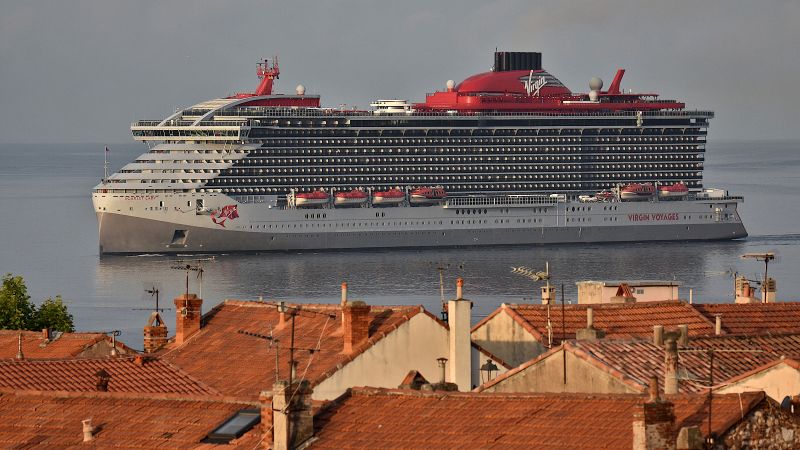
Twice rejected American cruise puts spotlight – Greg Morley, a 59-year-old Philadelphia native now living in Paris, has spent years exploring the world aboard specialized LGBTQ+ vessels. His husband and he have sailed across Europe, Asia, and the Americas, finding comfort on ships where inclusivity remains central. When Atlantis Events announced their Athens to Venice voyage aboard the Scarlet Lady, Morley eagerly joined approximately 1,100 of the 1,900 passengers traveling from the United States, alongside others from the UK, Canada, and Australia.
Unexpected Port Denials
The journey encountered unexpected turbulence when Egypt blocked the ship at the last minute on Thursday, following Turkey’s refusal just days earlier. Rich Campbell, CEO of Atlantis Events, expressed frustration with the timing. “We had full approval and they denied us clearance at the 11th hour,” Campbell stated. In a memo to passengers, he added, “I know how much this visit meant to so many of you. We successfully sailed a similar itinerary last year without issue, so we were surprised by this unfortunate decision.”
Turkey initially blocked the Scarlet Lady, carrying over 1,000 passengers from the US, citing “behaviors incompatible with the fabric of our society and our moral values.” Egypt subsequently followed Turkey’s lead, prompting Campbell to call the situation “outrageous.” The ship was forced to divert to Crete on Friday, disrupting carefully planned itineraries for many travelers.
Broader Implications for LGBTQ Communities
For Morley, the double rejection carried deeper meaning beyond mere schedule changes. “My mind went to the LGBTQ communities in Egypt and Turkey where LGBTQ individuals don’t have the opportunities to just sail away,” he explained. He emphasized that “Discrimination and the lack of opportunities that come with the shortsighted marginalization of LGBTQ people and other minorities damages far beyond a cruise ship rescheduling.”
The political context in both nations adds weight to these incidents. Turkey’s Erdogan-led AK Party has employed harsh rhetoric toward the community, with Pride marches banned since 2015. Meanwhile, Egypt maintains strict morality laws, and the Human Dignity Trust reports ongoing arrests, harassment, and bribery cases affecting LGBTQ residents.
Rob Houchen, a UK actor aboard the vessel, described the events as a “real wake-up call.” “Things aren’t getting better, and there needs to be awareness of that,” Houchen noted. “Look out for all those around you, all those queer people, and keep them safe.” Meg Ten Eyck, chair of the International LGBTQ+ Travel Association, echoed these sentiments, calling the port denials “one of the more visible versions of something LGBTQ+ travelers navigate constantly, in smaller ways, all over the world.”
Local businesses in both countries also felt the economic impact. Ten Eyck highlighted that cultural exchange opportunities were lost when passengers couldn’t disembark. Kyle Olsen from Hermes Holidays shared similar observations about the ripple effects on local commerce.
Passengers like Randy Slovacek experienced the disruption firsthand. Many had slept early Wednesday night to prepare for Cairo pyramids tours, only to find those excursions canceled. Morley concluded by stating his intention to “recommit how we spend our considerable discretionary travel dollars,” signaling a potential shift in tourism patterns toward more welcoming destinations.
