
Bipartisan senators announce agreement with Trump administration on Russia sanctions
Senators and Trump Administration Reach Understanding on Russia Sanctions Framework
Bipartisan senators announce agreement with Trump – A group of senators from both political parties revealed on Friday that they have secured an agreement with the Trump administration to advance a revised sanctions package targeting Russia. While this development marks meaningful progress, questions remain regarding whether President Donald Trump will personally endorse the legislation as it moves through Congress. The proposed measures would empower the president to impose substantial tariffs on goods arriving from countries that purchase Russian energy resources, including oil, uranium, and natural gas. Certain nations might receive exemptions if they actively support Ukraine’s defense efforts during the ongoing conflict.
Long-Standing Bipartisan Effort Gains Momentum
Republican Senator Lindsey Graham and Democratic Senator Richard Blumenthal have championed this sanctions initiative for several years, working across party lines to build consensus. During the previous summer, both lawmakers were instrumental in pushing the package forward. At that time, President Trump indicated he was receptive to the concept and voiced dissatisfaction with Russian President Vladimir Putin’s approach to diplomatic negotiations. Nevertheless, the administration stopped short of formally endorsing the legislation.
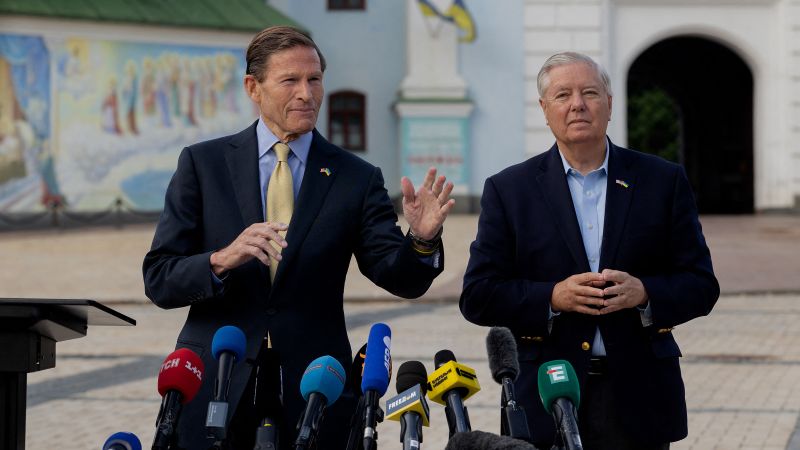
On Friday, Graham and Blumenthal joined Senate Armed Services Chairman Roger Wicker and Senate Foreign Relations Ranking Member Jeanne Shaheen to publicly announce their progress. The four lawmakers released a joint statement expressing their satisfaction with the outcome.
We are proud to announce that we have reached an agreement with the Trump Administration to move our updated Russia sanctions legislation forward. We are very pleased with this significant progress and expect to roll out the legislation very soon.
Ukrainian Leadership Responds to Congressional Developments
Senator Graham traveled to Kyiv on Friday to meet with Ukrainian President Volodymyr Zelensky, strengthening diplomatic ties during a critical period. Following their discussion, Zelensky shared his thoughts on social media regarding the congressional efforts to enhance pressure on Moscow.
Right now, it is important to strengthen our long-range sanction pressure on Russia with new sanction steps from our partners. Lindsey informed me about the work in Congress on the relevant bill.
The sanctions proposal has enjoyed broad support within the Senate, gathering more than eighty cosponsors from both Republican and Democratic ranks. Despite this strong backing, Senate Majority Leader John Thune has emphasized that the chamber will await clear guidance from the White House before scheduling a vote. Thune’s cautious approach contrasts with earlier statements from Graham suggesting the administration already approves of the measure. CNN has contacted Thune’s office seeking additional clarification on the timeline.
Timing and Broader Context Shape Legislative Outlook
The Senate faces a demanding schedule with multiple critical pieces of legislation requiring attention. Lawmakers must address the annual defense authorization bill and navigate another government funding deadline before the midterm elections arrive. With only a limited number of weeks remaining in the current session, the sanctions package must compete for floor time against other priorities.
This potential sanctions agreement follows closely on the heels of President Trump’s recent decision to permit Ukraine to construct Patriot defense missile batteries. The announcement, made unexpectedly during the NATO summit held in Turkey, represents a significant shift in U.S. policy toward the war-torn nation. Ukrainian officials have been pursuing this capability for years, and several signals suggested a breakthrough was imminent.
During the announcement, President Zelensky sat beside the American president and appeared visibly moved by the development. The two leaders share a complex relationship, and tensions had recently escalated following heightened hostilities in Iran. That geopolitical flareup seemed to influence Trump’s mood prior to his meeting with Zelensky, ultimately contributing to the favorable outcome for Ukraine.
CNN reporters Alison Main and Ivana Kottasová contributed to this coverage. The White House has been contacted for additional comment regarding the sanctions framework and its potential implementation timeline.
