
How Trump has misjudged Iran
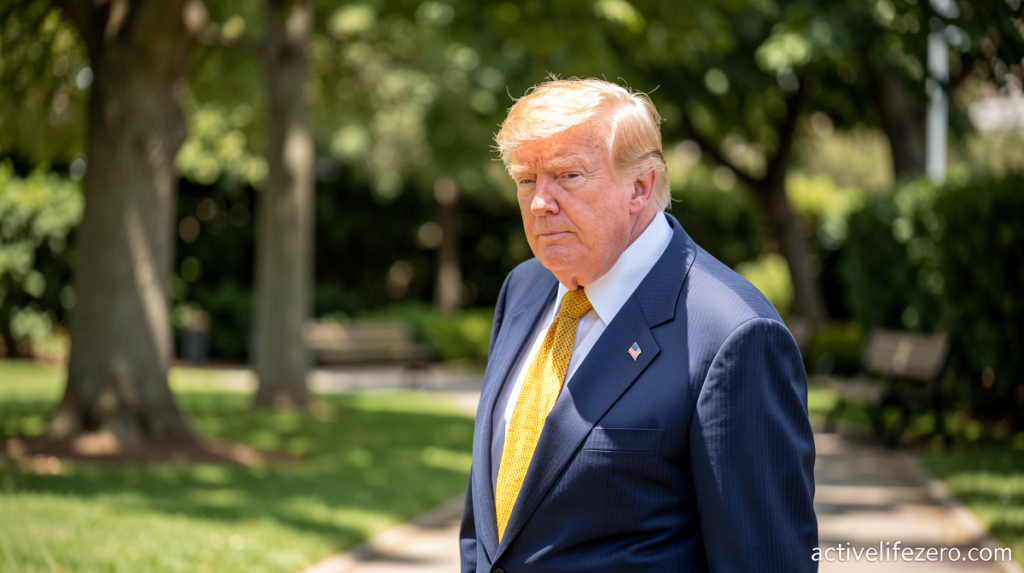
How Trump Has Misjudged Iran: A Pattern of Diplomatic Miscalculation
From Compliments to Insults
How Trump has misjudged Iran becomes increasingly clear when examining his recent statements about Tehran’s leadership. Just weeks apart, President Donald Trump delivered dramatically different characterizations of Iran’s officials. During a call on June 16, the president described Tehran’s leaders as measured individuals who were pleasant to negotiate with, going so far as to confirm they had not become “radicalized.” By Wednesday, however, his tone had shifted entirely. Speaking at a NATO gathering in Turkey, Trump labeled Iran’s rulers as “cuckoo,” “evil,” and “sick,” while also calling them “dirty players” and “scum.” He emphasized that these leaders “violate the agreement every day,” adding simply that “they lie. They cheat.”
This dramatic reversal came as the fragile truce between Washington and Tehran appeared increasingly unstable. Following Iran’s decision to target three vessels navigating the Strait of Hormuz, the United States responded with military strikes. Trump went so far as to announce that the ceasefire was officially “over,” even though he has occasionally expressed optimism about reaching a comprehensive peace settlement.
A History of Miscalculation
One interpretation of Trump’s earlier positive remarks is that he was simply being diplomatic during intense negotiations—a tactic not uncommon in high-stakes diplomacy. Yet Trump’s broader record regarding the Iran conflict points to a deeper problem. He appears to have consistently underestimated both Tehran’s intentions and his own bargaining power, allowing Iran to repeatedly delay and manipulate the situation.
This approach has postponed a final resolution for approximately three months, dating back to Trump’s announcement of the initial ceasefire on April 7. The timing has created complications for the Republican Party as the 2026 midterm elections draw nearer. With voters watching closely, Trump faces political headwinds if he chooses to escalate tensions and resume full-scale hostilities.
“I got to know them,” Trump explained when asked what had altered his perspective on Iran’s leadership.
Despite his harsher rhetoric, Trump does not appear to believe Iran’s leaders have fundamentally changed. Rather, he seems to have repeatedly bet that Tehran was close to accepting terms, believing that modest concessions and additional time would push the negotiations across the finish line. Time and again, that gamble has failed.
Threats Without Consequences
Perhaps the most telling evidence of Trump’s misreading of the situation involves his pattern of issuing warnings that ultimately proved empty. He frequently cautioned Iran that failure to comply would bring severe consequences. Yet nearly every time, those warnings turned out to be bluffs. Trump often claimed he was stepping back because a breakthrough was imminent, but no lasting agreement has emerged.
Iran may have drawn the conclusion that the American president lacked the resolve to follow through on his threats—and that patience would eventually pay off. Trump has also insisted not only that a deal was close, but that Tehran was desperately seeking one. As early as March 31, he declared that Iran was “begging for a deal,” yet the behavior of Iranian officials has not reflected such urgency.
Provocations and Downplaying
Disputes over the ceasefire terms emerged almost immediately after its announcement. Iran appeared to violate the conditions repeatedly, particularly regarding the “COMPLETE, IMMEDIATE, and SAFE OPENING of the Strait of Hormuz,” which Trump had declared essential. Despite this failure, Trump continued to push for the truce to hold.
Tehran responded with a series of provocations designed to test American determination. The administration consistently minimized these actions, arguing they did not technically breach the agreement. In May, for instance, Iranian forces fired upon US vessels attempting to guide commercial ships through the strait. The Pentagon maintained that this did not meet the “threshold” for a ceasefire violation. Defense Secretary Pete Hegseth further argued that the attacks were unrelated to the broader conflict, since American operations in the region constituted a separate mission.
Even after a more detailed memorandum of understanding was finalized last month, Iran’s behavior has not improved. The MOU already favored Iranian positions considerably, prompting criticism from Republican lawmakers who felt the administration downplayed its significance. Questions remain about how the document’s language should be interpreted. Nevertheless, Iran continues to prioritize control over the Strait of Hormuz over accepting what seems to be a generous temporary arrangement.
“They violate the agreement every day,” Trump said at a NATO summit in Turkey. “They lie. They cheat.”
Ultimately, How Trump has misjudged Iran reflects a broader pattern of underestimating adversaries while overestimating his own leverage. The president’s willingness to repeatedly extend deadlines and minimize provocations has allowed Tehran to maintain its position without making meaningful concessions. As the situation continues to evolve, the question remains whether Trump will recognize this pattern or continue to believe that another breakthrough is just around the corner.
