
Canadian boy, 11, died from rabies after waking up with bat on his mouth
Tragic Case of Rabies in a Canadian Boy
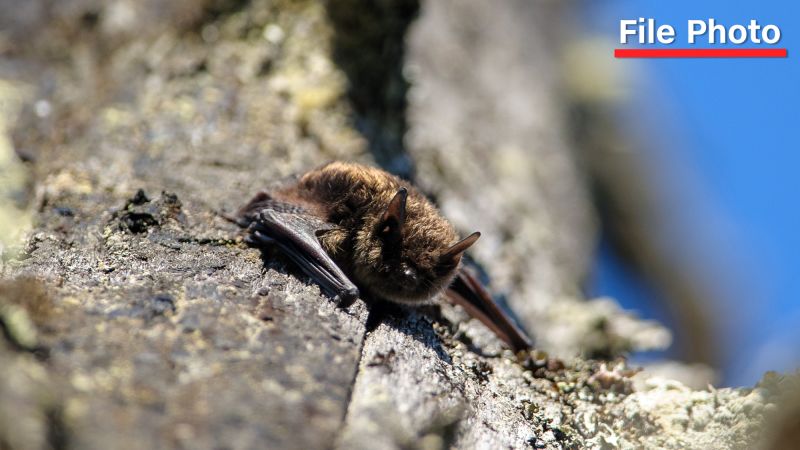
Canadian boy 11 died from rabies – Eleven-year-old Canadian boy tragically succumbed to rabies after a seemingly innocuous encounter with a bat. The incident unfolded during a family visit to a cottage in northern Ontario in 2024, as detailed in a report published by the Canadian Medical Association Journal. The boy, whose name was not disclosed in the study, was awakened to find a bat resting on his nose and mouth. His initial reaction was to strike the creature from his face, followed by his father’s decision to capture the bat in a cooking pot and release it outside.
Delayed Recognition of Rabies Symptoms
Despite the bat’s proximity to his face, the boy’s parents did not immediately seek medical help. They attributed the situation to a minor inconvenience, noting the absence of visible bite marks and the bat’s calm demeanor. However, 19 days after the encounter, subtle signs of illness emerged. The child began experiencing a tingling sensation and numbness on the right side of his face, accompanied by facial swelling and a loss of appetite. These symptoms initially prompted a diagnosis of Bell’s palsy, a condition linked to the herpes virus, leading to a course of antiviral medication at a local urgent care facility.
Progression to Severe Neurological Symptoms
By the fourth day after symptoms appeared, the boy’s condition had worsened. He was brought to a city hospital emergency department in Ontario, where doctors observed ulcers in his gums and mild facial nerve impairment. A physical examination revealed reduced sensation and slurred speech, prompting the family to recount the bat incident. The next day, the emergency physician alerted the local public health authority. Yet, the child was initially discharged with a provisional diagnosis of herpes gingivostomatitis, a viral infection affecting the mouth and lips.
Within 24 hours, the boy returned to the hospital with alarming symptoms: facial weakness, confusion, and visual hallucinations. As his condition deteriorated rapidly, he required a ventilator and was admitted to the pediatric intensive care unit (PICU). On the fourth day of his hospital stay, a polymerase chain reaction (PCR) test confirmed rabies, revealing the presence of the bat rabies virus variant. The child’s death occurred on his 17th day in the hospital, marking the first reported case of locally acquired rabies in Ontario since 1967.
Comparative Cases Highlight Rabies Risks
While the Canadian boy’s case is rare, it echoes similar incidents elsewhere. In Illinois, a man died from rabies after waking to a bat in his room, underscoring the virus’s potential for rapid progression. “When we saw the patient in the PICU, we strongly suspected rabies,” said the doctors in the report. The boy’s story highlights how rabies can evade early detection, particularly when symptoms mimic more common conditions like herpes.
Global and Regional Rabies Trends
Rabies remains a significant health threat worldwide, with over 150 countries reporting cases. The World Health Organization noted in 2024 that the virus causes tens of thousands of deaths annually, predominantly in Africa and Asia. Children under 15 account for 40% of these fatalities, making early intervention critical. In contrast, rabies is exceedingly rare in Canada, with only 28 human cases documented since 1924. This latest case in Ontario is the first to be linked to local wildlife in nearly six decades.
Although the CDC reports fewer than 10 rabies-related deaths in the United States each year, the agency emphasizes that the disease “poses a serious public health threat.” This is due to its prevalence in wildlife, particularly bats, raccoons, skunks, and foxes. In the Americas, bats are the primary carriers of the virus, but in regions where rabies is controlled, dogs remain the most common source of human infections. The WHO highlights that 99% of rabies cases in humans originate from animal bites, underscoring the importance of preventive measures.
Transmission and Symptom Timeline
Rabies spreads through the saliva of infected animals, typically via bites or scratches. It can also enter the body through the eyes, nose, or mouth if exposed to contaminated fluids. The virus attacks the central nervous system, with symptoms usually appearing 20 to 60 days post-exposure, though this timeline can vary. Initial signs often resemble flu-like symptoms, such as fever, headache, or muscle weakness. As the disease progresses, patients may develop difficulty swallowing, excessive salivation, and muscle spasms. In severe stages, confusion, anxiety, fear of water, and abnormal behavior may manifest.
The Canadian Veterinary Medical Association (CVMA) underscores that while animal rabies cases are common in Canada, human infections are rare. The organization notes that skunks and foxes are frequent transmitters in the country, but bats also play a notable role. The boy’s case exemplifies how even a brief contact with an infected bat can lead to fatal consequences if not promptly addressed. The CVMA recommends avoiding interactions with unfamiliar animals, especially in areas where rabies is endemic, and reporting unusual behavior in wildlife to local authorities.
Importance of Early Diagnosis and Treatment
The boy’s story serves as a stark reminder of the urgency required in rabies cases. Post-exposure prophylaxis—administering vaccines before symptoms appear—can prevent the disease. However, once clinical symptoms manifest, rabies is nearly always fatal. The CVMA stresses that early detection and treatment are vital, as the virus’s progression can be swift and severe. In this case, the delayed recognition of the bat incident and the misdiagnosis as herpes likely contributed to the outcome.
While the rarity of human rabies in Canada makes this case noteworthy, it also highlights the need for greater awareness. Public health officials urge residents to take precautions, such as securing windows and doors during nighttime hours, to prevent bat encounters. Additionally, educating communities about the signs and symptoms of rabies can improve response times. The boy’s death underscores that even in regions with low rabies incidence, vigilance is crucial, especially for children who may be more vulnerable to unnoticed exposures.
As the medical community continues to study such cases, the boy’s experience offers valuable insights. It emphasizes the importance of thorough evaluation when unusual symptoms appear, particularly after contact with wildlife. The CVMA and public health authorities are using this case to reinforce preventative strategies and enhance rabies education efforts. For now, the tragedy remains a poignant lesson in the power of the virus and the necessity of timely medical intervention.
“When we saw the patient in the PICU, we strongly suspected rabies,” said the doctors in the report.
The incident in Ontario has sparked renewed discussions about rabies prevention and the role of bats in disease transmission. While bats are often overlooked as carriers compared to dogs in other parts of the world, they are responsible for the majority of human rabies cases in the Americas. This case reinforces the need for immediate action following any bat encounter, even if the animal appears healthy at first. The Canadian Food Inspection Agency’s identification of the bat rabies variant further illustrates the complexity of the disease’s spread and the importance of rapid diagnostic testing.
