
FDA allows Philip Morris to market Zyn as less harmful than cigarettes
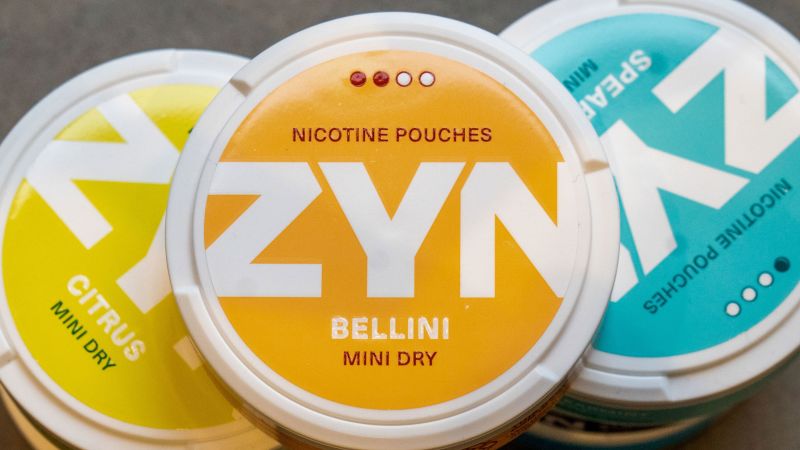
FDA Approves Philip Morris’ Zyn Nicotine Pouches as Reduced-Harm Alternative
FDA allows Philip Morris to market – On Tuesday, the U.S. Food and Drug Administration announced its decision to permit Philip Morris to promote Zyn nicotine pouches as a less harmful option compared to traditional cigarettes. This authorization covers 20 distinct versions of the product, each with claims that shifting from cigarettes to Zyn could lower the risk of several health conditions, including mouth cancer, heart disease, lung cancer, stroke, emphysema, and chronic bronchitis. The approval marks a significant milestone for the company, which has long sought to position Zyn as a modern alternative within the nicotine market.
The Health Benefits of Zyn
The FDA’s ruling highlights the agency’s assessment that Zyn pouches offer substantial health advantages over combustible cigarettes. By inserting the product under the lip, users can obtain a nicotine dose without inhaling smoke, which eliminates exposure to harmful chemicals found in tobacco. The agency emphasized that this method of consumption could significantly reduce harm for individuals already using tobacco, while also contributing to overall public health improvement. The decision is based on extensive scientific review, though some experts had previously expressed concerns about potential risks to new users, particularly younger demographics.
“The pouches ‘would significantly reduce harm and the risk of tobacco-related disease to individual tobacco users and benefit the health of the population as a whole,’” stated the FDA in its approval statement.
Industry Advocacy and Regulatory Shifts
Philip Morris is not the only tobacco company pushing for regulatory changes this year. Industry leaders have been actively lobbying U.S. President Donald Trump and other key officials to streamline the FDA’s authorization process for new nicotine products. This includes advocating for a more expedited review of vaping and nicotine pouch offerings, which they argue are better suited to meet evolving consumer preferences. The approval of Zyn aligns with these efforts, providing a clear pathway for companies to introduce alternatives with reduced health risks.
While the FDA’s decision has been met with enthusiasm by the industry, some scientists remain cautious. They had previously delayed finalizing clearance for Zyn, citing the need for further research into its long-term effects on new users, such as children and adolescents. However, the agency’s review process has now concluded, and the product is deemed safe enough to market under the current framework. This marks a pivotal moment for nicotine pouches, which are rapidly gaining traction as a popular smoking alternative.
Market Growth and Sales Performance
Nicotine pouches have emerged as one of the fastest-growing nicotine products in the United States, with millions of consumers adopting them in recent years. Philip Morris, a major player in the market, reported sales of 794 million Zyn cans in 2025 alone, a figure that exceeds double its 2023 sales. This surge in popularity underscores the product’s appeal, particularly among younger adults seeking convenient and discreet nicotine delivery methods.
The company’s recent financial forecast adjustments reflect confidence in the product’s market potential. Earlier this month, Philip Morris revised its annual profit projections for the second time, signaling optimism about the future of Zyn. CEO Jacek Olczak, speaking at the Deutsche Bank Global Consumer Conference, credited the FDA’s decision to ease enforcement on unauthorized vaping and nicotine pouches as a “net positive” for the category. He argued that the regulatory flexibility would drive further growth and attract more users away from traditional tobacco products.
“Recent U.S. FDA moves to relax enforcement on unauthorized vaping and nicotine pouches were a ‘net positive,’ and would support category growth,” Olczak remarked.
Public Health Implications
The FDA’s endorsement of Zyn as a less harmful alternative has sparked debate about its role in public health. Proponents argue that the product could help millions of smokers transition to a lower-risk option, reducing the incidence of tobacco-related illnesses. However, critics warn that the approval might inadvertently encourage more people to start using nicotine, especially among children and teens, who may perceive it as a safer option. This concern is echoed by some health advocates, who stress the importance of monitoring long-term usage patterns and ensuring that Zyn’s benefits outweigh its potential risks.
Despite these concerns, the FDA maintains that its decision is grounded in scientific evidence. The agency’s evaluation considered both the risks and benefits of Zyn, concluding that the product’s health advantages for existing tobacco users justify its market approval. This shift in regulatory focus reflects a broader trend of prioritizing harm reduction strategies over strict tobacco control measures, a stance that has drawn both support and scrutiny from public health experts.
Broader Industry Impact
The approval of Zyn is part of a larger regulatory landscape reshaping the nicotine market. By easing restrictions on alternative products, the FDA is encouraging innovation while still maintaining oversight to protect consumer health. This approach has the potential to create a more competitive environment, where companies can develop and market products tailored to specific user needs. For Philip Morris, the decision represents a strategic victory, allowing it to capitalize on the growing demand for nicotine pouches and further its position in the evolving market.
As the Zyn product line expands, it is expected to influence consumer behavior and industry dynamics. The company’s success in the U.S. market may also serve as a model for other manufacturers seeking similar approvals. With millions of users already relying on nicotine pouches, the FDA’s ruling could accelerate the transition from traditional tobacco use, reinforcing its commitment to harm reduction and public health improvement. This decision not only impacts Philip Morris but also sets a precedent for the future of nicotine alternatives in the United States.
Future Outlook
Industry analysts suggest that the FDA’s approval will likely lead to increased competition and innovation in the nicotine market. As more companies enter the space, consumers will have a wider range of options to choose from, potentially driving down prices and improving product quality. However, the long-term success of Zyn and similar products depends on sustained consumer adoption and continued regulatory support. With the FDA’s backing, Philip Morris is positioned to solidify its dominance in this rapidly growing sector while addressing public health concerns through its reduced-risk claims.
The move also highlights the evolving relationship between regulatory bodies and the tobacco industry. While the FDA aims to promote healthier alternatives, it must balance this goal with the need to prevent the proliferation of new nicotine products that may still pose significant health risks. As the market continues to expand, ongoing research and monitoring will be essential to ensure that Zyn and other nicotine pouches live up to their health claims and contribute meaningfully to public health outcomes.
