
The not-so-silent war being fought in World Cup stadiums: Stadium DJs vs. hydration break boos
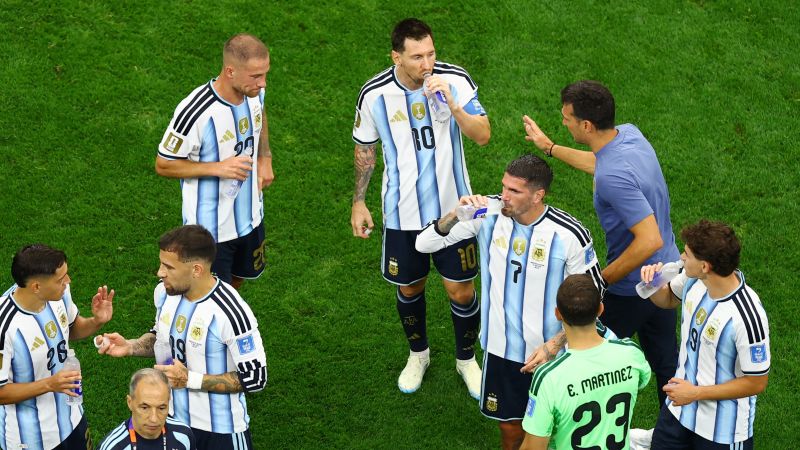
The Not-So-Silent War in World Cup Stadiums: A Clash of Sound and Silence
The not so silent war being – As the World Cup progresses, a subtle yet intense rivalry has emerged within stadiums, pitting the rhythm of live music against the quiet moments designed for hydration and advertising. Fans, once passive observers, have transformed into vocal participants, their dissatisfaction echoing through the stands as they protest these brief pauses. The solution? A bold strategy: turning boos into sing-alongs by introducing karaoke tracks during the breaks. This tactic, while seemingly whimsical, has become a critical tool for stadium DJs aiming to reinvigorate the crowd’s energy and counter the growing discontent.
Turning Jeers into Chants
During the second half of Thursday’s clash between South Africa and the Czech Republic, the hydration break was met with a wave of boos. Yet, within seconds, the stadium’s speakers erupted with the familiar melody of “Take Me Home, Country Roads” by John Denver, swiftly shifting the mood. The 67,000 fans, initially disgruntled, found themselves harmonizing with the song, transforming their frustration into collective celebration. A similar dynamic unfolded during Sunday’s Spain vs. Saudi Arabia match, where the crowd’s resistance to the break was quelled by the infectious energy of a curated playlist.
“The sound of singing is being heard from coast to coast this summer,” remarked CNN’s Randi Kaye, highlighting the widespread adoption of this strategy.
Even in Dallas, where the England vs. Croatia game was held, the disruption was met with a dose of music. The Killers’ “Mr. Brightside” filled the air, replacing the jeers with a lively sing-along. In Seattle, the USA’s 2-0 victory over Australia was accompanied by a brass band’s performance during the break, showcasing how different venues employ varied methods to keep the atmosphere vibrant.
A Cultural Divide in Fan Engagement
While the global soccer community embraces the musicality of matches, American fans have often been more attuned to visual cues and chants directed by on-field announcers. In many international stadiums, the crowd’s energy is naturally amplified by the shared experience of singing, whether in support of their team or in mocking rivals. This contrasts sharply with the American approach, where broadcasts and screens dominate, issuing commands like “Make some noise!” or “EVERYBODY CLAP YOUR HANDS!” to guide the audience’s reactions.
However, the World Cup’s dynamic environment has sparked a shift. The pregame festivities in bars, fan zones, and marches are already infused with music, and the postgame viral moments—like the English fans’ rendition of “Wonderwall” or the U.S. crowd’s version of “Country Roads”—demonstrate a growing trend of musical participation. Stadium DJs, recognizing this shift, are leveraging the breaks to inject familiar tunes, creating a bridge between the crowd’s initial frustration and their eventual engagement.
Complaints Over Americanization
Hydration breaks have become a point of contention, with many fans expressing frustration over their perceived impact on the game’s flow. These breaks, mandatory in all matches, have been criticized for splitting the traditional 45-minute halves into four 22.5-minute quarters. The argument is that this structure feels more like a corporate event than a soccer match, with the pauses often serving as a platform for advertisements rather than a natural interruption.
For visiting teams, the experience is further complicated. The Iranian soccer squad, for instance, left a handwritten note in their locker room in Los Angeles after their Sunday game against Belgium. The message expressed gratitude for the city’s hospitality, underscoring the blend of camaraderie and cultural exchange that defines the tournament. Yet, the tension between the U.S. and Iran has also influenced how the Iranian team is perceived, with their positive interactions highlighting a contrast to the more critical fan reactions elsewhere.
“It’s a party atmosphere, and that’s where the singing comes in,” said CNN’s Leila Gharagozlou, noting the challenge of balancing tradition with modern expectations.
The DJ’s Tactical Move
The hydration break has become a battleground for stadium DJs, who are using music to counteract the growing wave of boos. The timing is critical—often, the DJ hits play within a couple of seconds after the break begins, aiming to transform the crowd’s mood before the boos gain momentum. This strategy has proven effective, with fans quickly shifting from dissent to delight as they join in on the song.
While the term “karaoke” originated in Japan, the desire to sing with strangers in a shared space is a universal experience. The World Cup’s unique setting, with its blend of national pride and global camaraderie, has made this possible. In the U.S., the energy of the crowd is often harnessed through strategic choices, such as playing “Macarena” during Argentina’s match against Austria in Group J. These moments not only entertain but also serve as a reminder of the unifying power of music in sports.
A Growing Trend of Fan Participation
The hydration breaks, though controversial, have sparked a broader conversation about fan engagement. In Boston, the Scottish team’s presence was met with enthusiasm, even as they prepared for a game against Brazil. Their ability to adapt and connect with American audiences, despite the initial resistance to the breaks, illustrates the evolving nature of international soccer fandom.
As the tournament progresses, the role of music in shaping the stadium experience becomes increasingly apparent. The breaks, once seen as interruptions, are now opportunities for unity, with DJs acting as the unseen orchestrators of this transformation. Whether through the power of a familiar song or the energy of a live performance, the goal remains the same: to turn a potential moment of disengagement into a shared celebration.
From the initial boos to the eventual sing-alongs, the hydration breaks have become a microcosm of the broader debate about the World Cup’s identity. While some argue that the breaks dilute the purity of the game, others see them as a necessary evolution to keep the audience engaged. The DJs, with their quick thinking and musical choices, are at the heart of this transformation, ensuring that the stands remain alive with energy even during the shortest pauses.
As the World Cup continues, the interplay between music and fan reactions will likely shape the tournament’s legacy. The ability of a single song to redirect the crowd’s focus speaks to the enduring power of sound in sports. Whether it’s a classic anthem or a modern hit, the message is clear: the World Cup is not just a game—it’s a cultural event where the lines between competition and community blur, and where the DJ’s playlist can turn a moment of frustration into a collective triumph.
