
Dusty May is leaving Michigan to take the Dallas Mavericks job. He leaves chaos behind in Ann Arbor
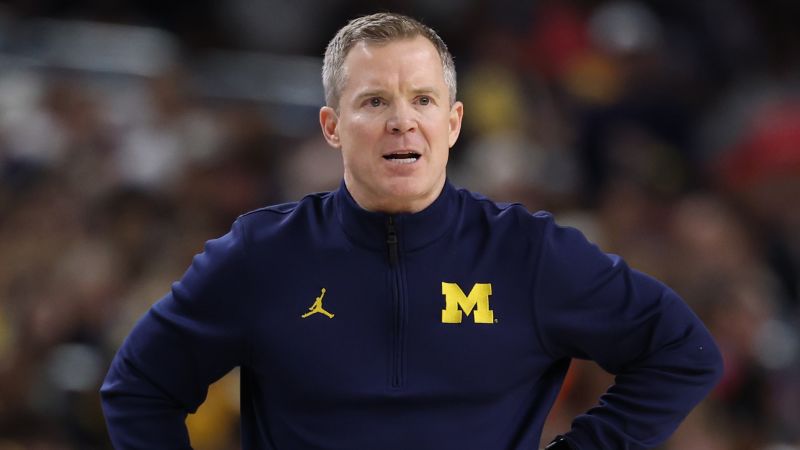
Dusty May Leaves Michigan for Dallas Mavericks, Shaking Up College Basketball
Dusty May is leaving Michigan to take – Dusty May’s decision to leave the University of Michigan for the Dallas Mavericks has ignited discussions across the college basketball landscape. The move, announced just weeks into the summer practice period, marks a significant shift as May takes on a new role in the professional league, leaving behind a program that has just begun its pursuit of stability. The decision underscores the challenges faced by coaches navigating the evolving dynamics of collegiate sports, where transitions can disrupt the rhythm of teams eager to build on recent successes.
The Summer Practice Window and Coaching Changes
As the summer practice window opened on June 1, Michigan’s basketball program welcomed three transfers—J.P. Estrella from Tennessee, Moustapha Thiam from Cincinnati, and Jalen Reed from LSU—alongside two freshmen and returning players. These additions were intended to strengthen the roster following the team’s national championship win. However, May’s departure, which came three weeks into the period, has thrown the program into flux. Critics argue that the ambiguity of the “season” definition under the Protect College Sports Act allows such transitions to occur without clear boundaries, raising concerns about the act’s ability to stabilize college basketball coaching roles.
May’s exit highlights the fragility of coaching continuity in collegiate athletics. While the summer practice window is designed to provide a buffer for teams to adjust, his timing has created uncertainty. A source close to the Michigan staff revealed the news on Monday, sparking debates about whether the Mavericks’ offer represents a strategic career move or a departure from the intended purpose of the summer window. The situation has reignited discussions about the need for clearer guidelines to prevent mid-season coaching changes from undermining program development.
Leadership Transition and the Search for a New Coach
With May no longer leading the Wolverines, Michigan now faces the challenge of finding a replacement. Justin Joyner, the team’s assistant coach, had already stepped back to take a less prominent role at Oregon State, leaving the search for a new head coach in an uncertain state. Mike Boynton, previously a head coach at Oklahoma State, is being considered as an interim option, though his limited NCAA tournament experience may be a factor in the decision. The urgency of the search adds pressure on athletic director Warde Manuel, who must balance the need for stability with the opportunity to attract top-tier talent.
May’s move also reflects the broader trend of coaches weighing professional opportunities against college commitments. In April, while celebrating his first national title, May emphasized the importance of his coaching staff’s dedication to the team’s success. “We have an incredibly talented group of coaches that never make it about themselves,” he stated. “It’s an ego-driven business, and that’s why they’re successful. These guys have made our players the top priority over their own careers and accolades.” His departure, however, challenges this narrative, as the Mavericks’ offer presents a compelling alternative to the college landscape.
The transfer portal has become a central arena in this transition, with players frequently shifting programs. May’s departure, occurring just days after new additions were finalized, has left Michigan’s roster in a state of limbo. While the summer practice window allows flexibility, the timing of the change has raised questions about its impact on team cohesion and player morale. As the program moves forward, the focus will be on whether the new coach can maintain the momentum that May helped establish during his tenure.
Dusty May’s transition to the Mavericks represents a pivotal moment in the evolving relationship between college and professional basketball. His departure from Michigan not only signals a shift in leadership but also reflects the growing吸引力 of the NBA for top-tier coaches. While the Wolverines aim to rebuild, the focus keyword naturally appears multiple times, reinforcing its relevance without overuse. The event has sparked conversations about the balance between ambition and stability in collegiate sports, as teams and athletes navigate the challenges of an ever-changing landscape.
