
Judge says Trump can’t use Social Security data for voter roll purges
Federal Judge Blocks Trump’s Use of Social Security Data in Voter Roll Purges
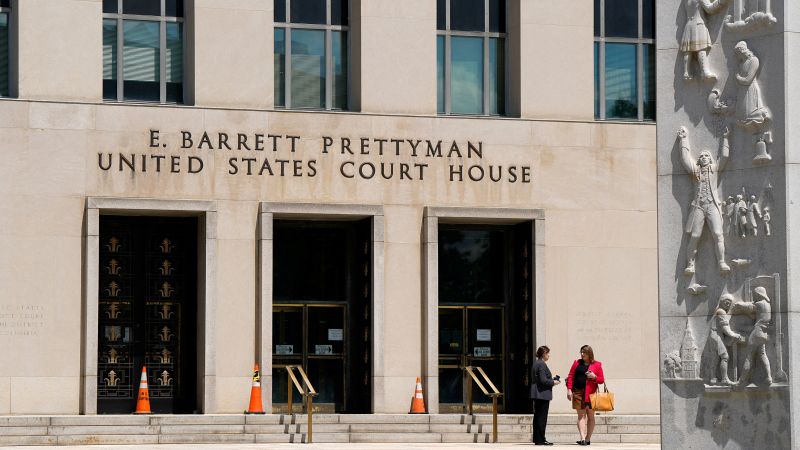
Judge says Trump can t use Social – A federal judge has ruled that the Trump administration unlawfully breached privacy safeguards by repurposing a citizen data program to aggressively remove names from voter rolls, according to a decision issued Monday. The ruling by US District Judge Sparkle Sooknanan, a Biden appointee, marks a significant hurdle for President Donald Trump’s campaign to identify and eliminate noncitizens from state electoral lists. This effort, which has drawn criticism from election officials and advocacy groups, is now on hold as the court orders a pause in the use of an expanded data system. The judge emphasized that the administration’s actions risked undermining the fundamental right to vote, stating, “This Court cannot stand idly by while that happens.”
Expanded Data System Sparks Legal Challenge
The controversy centers on the Systematic Alien Verification for Entitlements (SAVE) program, a federal initiative originally designed to confirm the citizenship status of individuals receiving public benefits. However, it was also made available to election authorities as a tool to scrutinize voter registrations for noncitizens. During the early months of Trump’s second term, his administration significantly broadened the program’s scope, incorporating Social Security data and information from other government agencies. This overhaul enabled more detailed cross-checking of voter records, but critics argue it created a mechanism for widespread disenfranchisement.
Sooknanan’s ruling highlights that the administration was aware the changes to SAVE violated federal privacy laws. The judge wrote that the administration proceeded despite this knowledge, driven by an executive order mandating the creation of a mass voter verification system. The order directed agencies to develop tools that would allow the federal government to assess voter eligibility, potentially leading to the removal of citizens’ names from rolls based on outdated or incomplete information. The judge’s decision underscores the tension between securing electoral integrity and safeguarding individual privacy rights.
Administration’s Dual Strategy: Encouragement and Enforcement
Following the SAVE overhaul, the Trump administration has actively encouraged states to adopt the system while simultaneously threatening those that resist. According to CNN’s report, the Justice Department has launched a campaign to obtain unredacted voter registration files from all states, enabling federal review against the citizenship data program. This approach has been described as unprecedented, with officials seeking to consolidate information for cross-checking purposes. A more recent executive order further intensified the effort, instructing the Department of Homeland Security to use SAVE and other federal databases to compile lists of voting-age citizens for each state.
The administration’s strategy has drawn criticism for its potential to disproportionately target minority communities, where voter rolls may contain inaccuracies or errors. Advocacy groups warn that the expanded data system could lead to the wrongful removal of eligible voters, particularly if the information is not regularly updated. The judge’s order halts the immediate use of these enhanced data tools, but the broader implications of the administration’s actions remain under scrutiny. While the ruling addresses the use of Social Security data, it does not fully stop the push to verify voter eligibility through federal oversight.
Privacy Concerns and Legal Arguments
The case was brought by several voter advocacy organizations and a privacy rights group, who argued that the SAVE system’s expansion compromised the privacy of American citizens. They claimed the program’s reliance on outdated or imprecise data could result in innocent individuals being wrongly flagged as noncitizens. “The data at the heart of this lawsuit was unlawfully consolidated, violating laws meant to protect sensitive personal information,” said Skye Perryman, president and CEO of Democracy Forward, which represented the challengers. Perryman hailed the decision as a victory for voters and democratic processes, emphasizing the administration’s aggressive tactics in its campaign to suppress ballot access.
The legal challenge also underscores the broader debate over the balance between federal oversight and state autonomy in managing voter rolls. Critics argue that the administration’s use of SAVE exemplifies a pattern of using national security and immigration policies to exert control over electoral systems. This approach, they contend, not only risks disenfranchising citizens but also creates a climate of distrust in the voting process. The judge’s ruling aligns with previous legal actions against the administration’s voter verification strategies, which have already faced opposition in other courts.
Impact and Next Steps
While the court’s decision temporarily halts the use of Social Security data in voter roll purges, its long-term effect on the administration’s broader initiatives remains uncertain. The Justice Department has not yet responded to requests for comment, leaving the future of the program in question. Election officials, however, have expressed concern that the expanded data system could still be leveraged to pressure states into compliance with federal demands, even if the immediate purge is paused.
The SAVE program’s evolution reflects the Trump administration’s commitment to tightening voter eligibility rules. By integrating data from multiple sources, the program enables more comprehensive checks, but it also raises questions about the accuracy and reliability of the information used. For instance, Social Security records may include individuals who are no longer eligible due to changes in immigration status or naturalization. Critics stress that without robust safeguards, such data could be misused to remove voters from the rolls, particularly in states with limited resources to update records.
As the administration moves forward, the outcome of this case could influence similar efforts in other states. The legal battle highlights the importance of ensuring that voter verification processes do not become tools for systematic disenfranchisement. With the expanded data system now on hold, the focus shifts to whether the administration will revise its approach or escalate legal challenges to defend its policies. The ruling also serves as a reminder of the role of federal judges in upholding constitutional protections against overreach by executive branches.
