
3 hikers die of suspected heat-related illness during rising temperatures at Grand Canyon
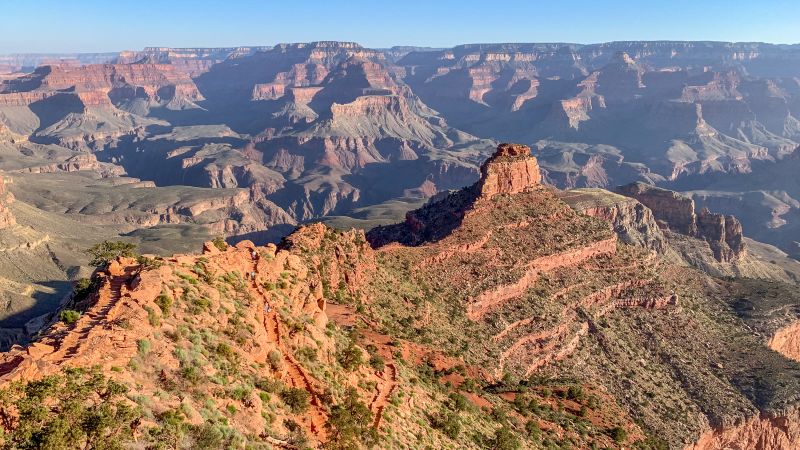
Three Hikers Lose Their Lives to Heat-Related Illnesses in Grand Canyon
Escalating Temperatures and Lethal Conditions Prompt Safety Warnings
3 hikers die of suspected heat – Federal officials reported on Friday that three hikers succumbed to suspected heat-related illnesses within the Grand Canyon’s inner canyon region over the course of two separate days in the previous week. The deaths, which occurred amid rising temperatures, highlight the growing danger of extreme heat for outdoor enthusiasts in the area. The National Park Service (NPS) emphasized that the inner canyon can reach temperatures exceeding 109 degrees Fahrenheit (43 degrees Celsius) even in shaded spots during midday, creating hazardous conditions for hikers.
“Extreme heat is a killer,” said an NPS representative in a statement. “This recent heat wave underscores how increasingly deadly these conditions are becoming.”
The first incident involved a 72-year-old man who became unwell on June 12 while traversing the South Kaibab Trail. Despite swift action by rescue teams, including aerial support, the hiker was found deceased before medical assistance could reach him. The second and third fatalities occurred four days later, on June 16, when a 67-year-old man and a 68-year-old woman suffered from heat-related illnesses while hiking the North Kaibab Trail. Both individuals died before help arrived, according to the NPS. The park service noted that all three hikers were pronounced dead by the time first responders reached them.
The Grand Canyon has experienced a notable increase in heat-related emergencies in recent weeks, prompting officials to issue stronger advisories to visitors. The NPS urged hikers to avoid the trails between 10 a.m. and 4 p.m., when temperatures are at their peak. This recommendation comes as part of a broader effort to mitigate risks associated with the region’s extreme climate. Park officials also emphasized the importance of hydration, shade, and early preparation for hikers venturing into the canyon.
“The inner canyon is particularly vulnerable during these heatwaves,” stated a park spokesperson. “We’ve seen a rise in incidents, and it’s crucial for visitors to heed our warnings and adjust their plans accordingly.”
Temperatures in the Grand Canyon’s inner region have been climbing steadily, with some days recording heat indices that rival those of desert environments. The NPS warned that even brief exposure to these conditions can lead to severe health complications, especially for older adults or those not acclimated to the heat. Officials noted that the South Kaibab and North Kaibab Trails, while popular, expose hikers to prolonged sun exposure and limited water access, compounding the risks.
As part of the ongoing investigation into the deaths, the bodies of the three hikers were transported to the Coconino County Medical Examiner’s office for further analysis. While the exact cause of each individual’s demise is still under review, heatstroke and dehydration are among the leading suspects. The NPS also highlighted that the timing of the incidents—spanning a week of escalating temperatures—suggests a pattern that could signal a larger trend in the region’s climate-related fatalities.
The Grand Canyon’s recent heat wave has sparked renewed discussions about the necessity of safety protocols for hikers. Officials pointed to the area’s unique geography as a contributing factor, noting that the canyon’s narrow walls trap heat, creating a microclimate that can be significantly hotter than surrounding regions. Additionally, the elevation drop within the inner canyon leads to higher temperatures, often making the environment feel like a desert even during cooler months.
“A rapid response is critical, but it’s not always enough,” said a federal official. “These hikers were in a life-threatening situation, and the conditions made it difficult to save them.”
The NPS has also called for increased awareness among hikers, particularly those who underestimate the severity of the heat. Educational materials now stress the importance of checking weather forecasts, wearing appropriate clothing, and carrying sufficient water. Officials further recommend that hikers plan their routes carefully and take breaks in shaded areas to prevent exhaustion and heat accumulation.
While the park service works to determine the precise circumstances of each death, the pattern of incidents has raised concerns about the long-term impact of climate change on the Grand Canyon’s visitor safety. With temperatures projected to continue rising, experts warn that the number of heat-related fatalities could increase unless additional measures are implemented. The NPS has already begun reviewing its emergency response strategies to better handle such scenarios in the future.
For now, the focus remains on preventing further tragedies. The park service is encouraging hikers to avoid midday exposure and to use resources like cooling stations and water refill points strategically. Officials also plan to conduct a comprehensive review of the trails and weather alerts to ensure that all necessary precautions are in place. As the Grand Canyon continues to draw visitors, the recent deaths serve as a stark reminder of the importance of preparedness in the face of extreme weather conditions.
The NPS has called the recent heatwave a “dangerous escalation” of the region’s natural challenges. With temperatures in the inner canyon regularly surpassing 109°F (43°C), even experienced hikers can find themselves in peril. The deaths of the three individuals underscore the need for both individual vigilance and systemic improvements in safety measures. As the investigation continues, the park service remains committed to providing accurate information and guidance to visitors, aiming to reduce the likelihood of similar incidents in the future.
